How to plan the perfect trip around the Kyiv Region: transport, routes and tips for tourists
Why planning determines the quality of a trip
A good trip begins not with the road, but with a clear plan.
The Kyiv Region looks simple on the map. Distances are short. The locations are well known. But without a plan it is easy to lose time. Extra transfers, closed sites, badly timed arrivals — all of this lowers the quality of the trip.
Planning removes these risks. You decide in advance the points, the time and the order of travel. This gives you control over the route. Less improvisation — more results.
There are three basic questions:
- Where to go? Choose 2–4 locations, no more. Too many points creates a rush.
- When to go? The arrival time affects the experience. Morning — fewer people. Evening — better light.
- How to get there? Transport determines your freedom of movement. Limited transport means a limited route.
Think of a trip as a logistics task. Every stop is a point. The road between them is a time resource. Your goal is to reduce the losses between points.
Without a plan you react to the situation. With a plan you manage it.
That is the difference between a random trip and a well-thought-out route.
How to choose transport for a trip around the Kyiv Region
Transport determines your freedom of movement.
Public transport runs on a timetable. It limits time and points. Some locations are not accessible at all without transfers or long walks. This increases time losses and reduces flexibility.
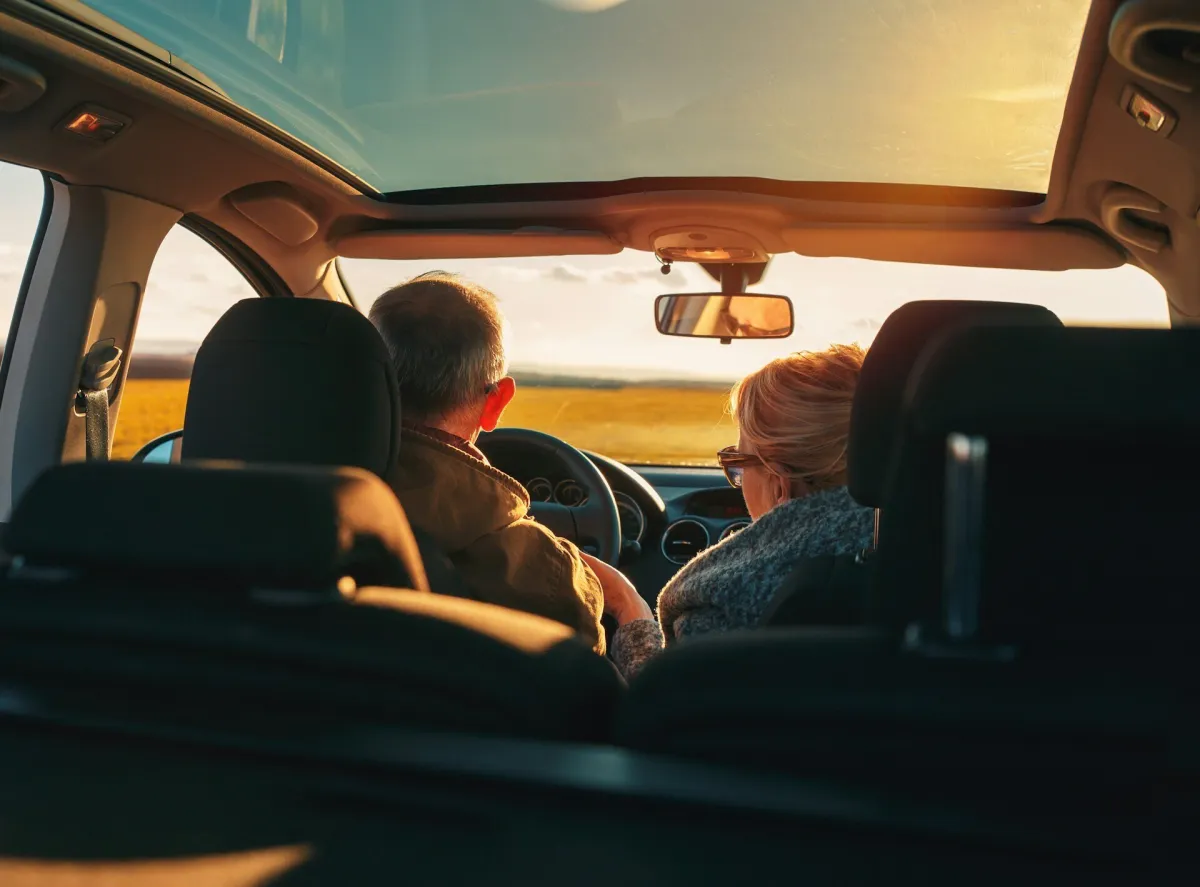
A rented car gives a different scenario. You choose the route, pace and stops yourself. You can change the plan on the spot. Saw an interesting spot — stopped. Got tired — shortened the route.
For example, through Rental.ua you can quickly pick a car for the task: a compact one for the city or a more comfortable one for longer trips. This reduces dependence on timetables and opens up more destinations in the same day.
There are several practical selection criteria:
- Route distance. For 100–200 km a day, fuel economy matters.
- Number of people. More passengers — more space and luggage.
- Type of roads. Asphalt or a mixed route. This affects comfort and costs.
A taxi is suitable for short trips. But over a distance it becomes expensive and less flexible. You depend on the driver and the tariffs.
The main idea is simple. The more points in the route, the more important the independence of your transport.
The right choice of transport does not add to the experience directly. But it removes limitations. And that is often more important.
How to build a route without losing time
A route is not a list of places. It is a sequence of movement.
Start with a base. Choose one key point. Build a chain from it. Add locations that lie along the way, not in different directions. This reduces backtracking.
Next, determine the order. Give the morning to popular places. Fewer people, quicker access. Leave less-visited points for the daytime. Evening is for short stops or walks.
Estimate the time between points. The road is not an empty stretch. It is a resource. If the transfer takes more than an hour, check whether this point is justified. Sometimes it is better to replace it with a closer one.
Group locations by type. Historical places together. Natural ones together. Switching between formats takes energy and time.
Leave a reserve. Do not plan at least 20–30% of the time rigidly. Delays are inevitable: queues, looking for parking, unexpected stops. A reserve relieves the tension.
Check availability. Opening hours, days off, entry conditions. These are basic things, but they are what most often break a plan.
Think like a navigator. The shortest path is not always the fastest. Take into account traffic, road conditions and time of day.
A strong route looks simple. It moves forward without unnecessary loops. Each next point logically continues the previous one.
That is efficiency. Less road — more experience.
Top locations in the Kyiv Region for a one-day trip
The choice of locations determines the quality of the day. Take no more than three or four points. Then you can truly live each one, rather than just tick it off.
Mezhyhiria.
Well suited for a morning start. The space is large. There are avenues, an embankment and viewpoints. Plan at least 2–3 hours. Arriving early reduces queues at the entrance and for parking.
Pereiaslav.
A concentrated experience. The open-air museums are located close to one another. You get around on foot. Allow 2–3 hours. It is important to check the opening hours of each site.
Bila Tserkva (Oleksandriia Arboretum).
The park is large and varied. It is worth outlining the route in advance: entrance, key avenues, exit. Otherwise it is easy to waste time on chaotic wandering. Optimally 2 hours.
Vytachiv.
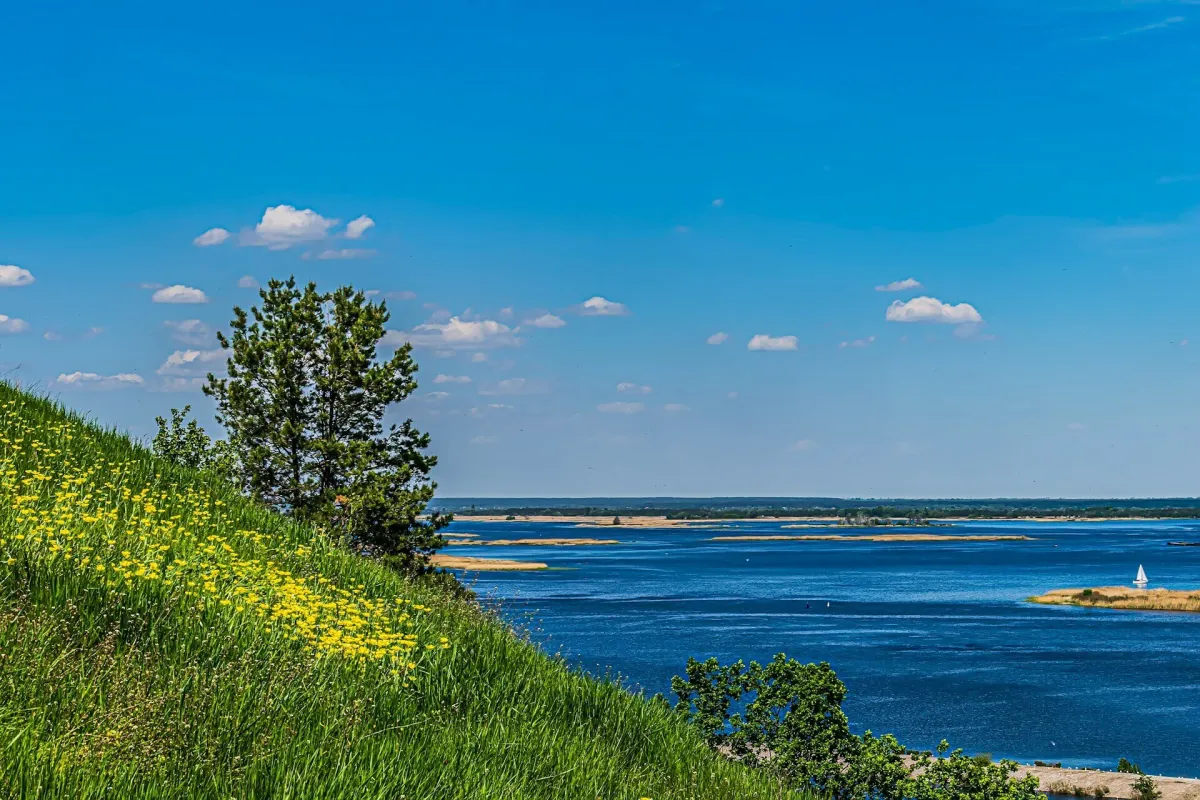
A short but strong point. Views of the Dnipro, open space, silence. Suitable for ending the day. Allow 30–60 minutes, depending on the light.
Combine locations according to the logic of the road. For example, one axis is the northern direction, another is the southern. Do not mix them in one day. This creates extra kilometres.
Each point has its role. The start is active. The middle is rich. The finish is calm. Such a rhythm saves energy and makes the day whole.
Practical tips for a comfortable and safe trip
Comfort is the result of small decisions. Safety is discipline.
Start with a basic set. Water, light food, chargers, a power bank. These are simple things, but they relieve tension on the road. When there is no need to stop for trifles, the route moves smoothly.
Check the car before leaving. Fuel, tyre pressure, washer fluid level. It takes minutes, but saves hours. Any delay on the highway ruins the rhythm of the day.
Plan parking in advance. In popular places it is limited. It is better to know the spots beforehand than to circle looking for a place.
Keep your documents at hand. Driving licence, insurance, bookings. Do not hide them deep away. Quick access saves time at checks.
Keep to a pace. Do not try to “fit everything in”. Overtiredness reduces attention. It is better to cut one point than to drive under strain.
Watch the return time. Roads change in the evening. Traffic grows. Take this into account when planning the last stop.
Always have a backup plan. A closed location, weather, road repairs — this is normal. An alternative nearby removes the risk of a ruined day.
A comfortable trip does not look complicated. It looks manageable. When the key things are under control, the rest works by itself.
How to get the most out of a trip around the Kyiv Region
The perfect trip is not an accident. It is a sequence of decisions.
A clear plan sets the direction. The right transport gives freedom. A well-thought-out route reduces time losses. A good choice of locations forms the rhythm of the day. Practical details keep everything under control.
At the centre is balance. Not the number of points, but the quality of the experience. Not speed, but the logic of movement. Every element must work for the result.
When these parts are connected, the trip becomes simple. You do not waste energy on chaos. You follow a clear plan and get more from every stop.
This is what a memorable trip looks like.