The Christian Practice of Fasting in Ukrainian Culture
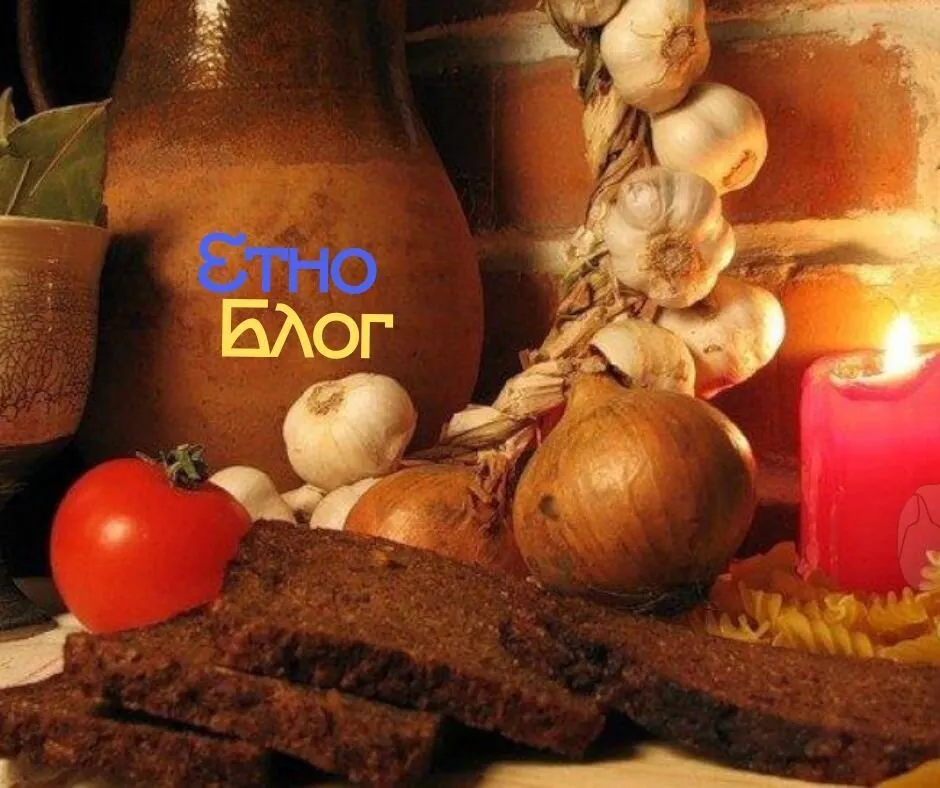
In the Ukrainian folk tradition, Maslenytsia was followed by the period of Great Lent. On the eve of the fast came the “zahovyny”, when one could still feast on non-fasting food (meat or dairy), often accompanied by folk festivities, evening gatherings, family meals and rest before a long period of restriction. During this week it was also customary not only to make merry but also to prepare spiritually for the fast. It is no coincidence that on the last day of Maslenytsia (“Forgiveness Sunday”) people asked forgiveness from loved ones and relatives and visited the graves of the dead.
Fasting in the Christian tradition, as a process of spiritual purification and improvement through restrictions on food, repentance and the doing of good deeds, has been established since its very origins.
Widespread in Christian culture are:
1) one-day fasts:
– Wednesday and Friday – as a sign that on Wednesday Christ was betrayed by Judas and on Friday crucified;
– on certain holidays – as a reminder of particular events of Christian history;
2) multi-day fasts:
– Great Lent (seven weeks before Easter) – in honour of the Saviour’s forty-day fast, as told in the Gospel, and Holy Week – in remembrance of the last days of the earthly life and sufferings of Jesus Christ before the crucifixion, observed with particular strictness as a sign of compassion with the Saviour, who took upon himself the sins of the world;
– The Fast of Saints Peter and Paul, or the Apostles’ Fast (varying in length, starting a week after Trinity and lasting until the feast of Peter and Paul) – in honour of the apostles, who after the descent of the Holy Spirit dispersed to different countries to preach the Christian faith;
– The Dormition Fast, the Fast of the Mother of God, or Spasivka (14–28 August) – in honour of the Dormition of the Most Holy Mother of God, as a symbol of purity and restraint and of support for the weak;
– The Nativity Fast, or Philip’s Fast (28 November – 6 January) – before the day of the Nativity of Christ, to prepare for meeting the birth of the Saviour.
Through church legislation only Great Lent entered practice; the others were introduced through custom. For example, the Dormition Fast – the youngest of the annual fasts, mentioned from the 9th century – caused considerable dispute in Greece over its existence, length and rules. In the Byzantine state the Dormition Fast began to take hold in the 11th–12th centuries, and during the deliberations of the Council of Constantinople in 1166 the practice and length of this fast were confirmed. It was stricter than the Fast of Peter and Paul and the Nativity Fast and milder than Great Lent. Church rules on fasting regulated not only the consumption of food; they also set out the corresponding prayer rules for clergy and laity.
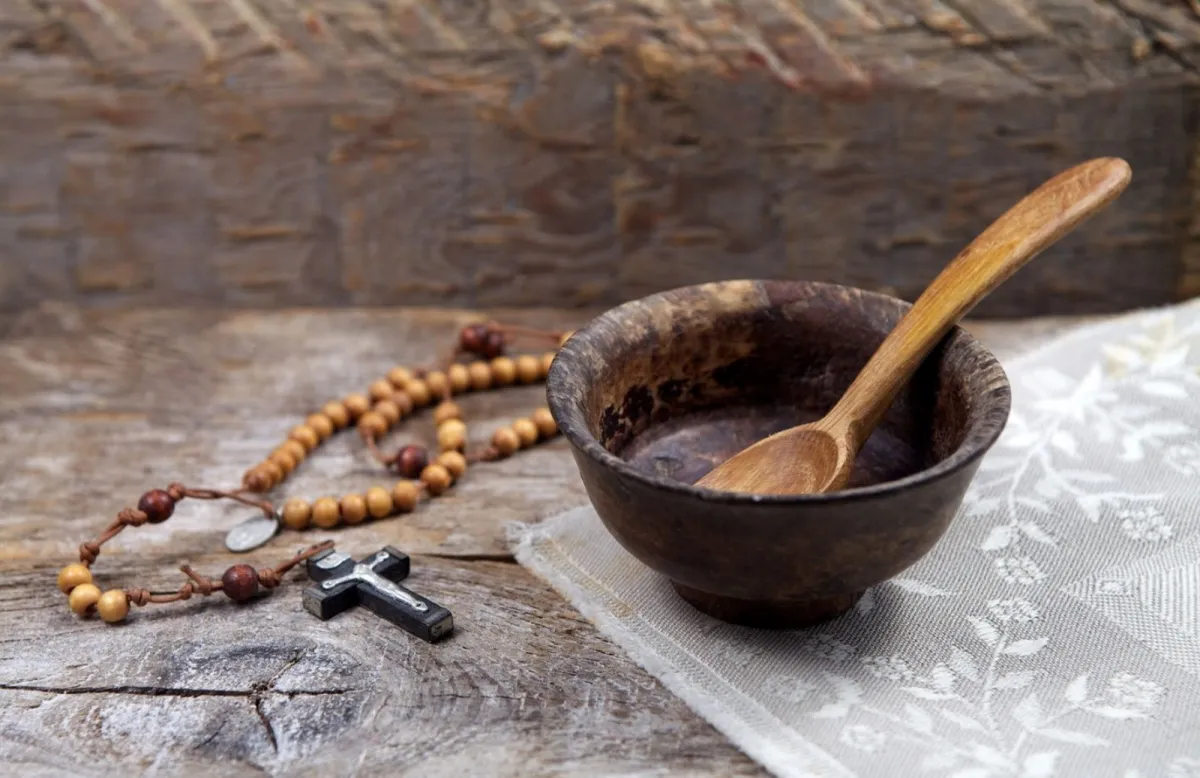
With the adoption of Christianity, elements of the more civilisationally developed Byzantine culture and religious traditions began to penetrate Old Rus’ society. Food restrictions and prohibitions, characteristic of any people, were changed and supplemented in Rus by Christian moral and ethical norms. Thus, the author of the original chronicle compilation of the 11th century, a monk from the Polianian tribe, reproached representatives of other Old Rus tribes for eating “everything unclean”: hamsters and various rodents, river mollusks, as was common among wild and semi-wild peoples. As the ethnographer Khvedir Vovk attests, Christianity evidently gradually put such “uncleanness” out of use and probably ended the eating of horse meat. There is reason to believe that the Christianisation of Old Rus society led to a gradual transition to a plant-based food system, which already fully dominated in Cossack times.
On the territory of Kyivan Rus, for some time after Christianisation there was also no unanimity about the three fasts other than Great Lent. We have evidence of them from the second half of the 11th century, sometimes contradictory and unclear, but various church sources of that time mention them in different interpretations. Already in the post-Mongol period, regulation of the observance of all four fasts is found in the Metropolitans of Kyiv Maksym (late 13th – early 14th century) and Photius (15th century), which became mandatory to observe.
Over many centuries of Christianity, church instructions on fasting became intertwined with folk culinary traditions, ritual culture and customs. During the fast people abstained from non-fasting food (meat and dairy, eggs, and during strict fasts or fasting days also fish). Each region had its own Lenten menu. Already in the Cossack era the tradition of fasting was firmly established in Ukrainian culture, as testified by the French engineer Guillaume Levasseur de Beauplan, who noted Ukrainians’ stubbornness in keeping the fasts, which lasted 8–9 months a year and consisted in giving up meat. There were, however, relaxations of fasting for children, pregnant women, the sick, travellers and so on. Fasting involved increased prayer, repentance, almsgiving and good deeds, as well as giving up entertainment. Therefore, by folk custom, during fasting periods people stopped celebrating weddings and various kinds of merrymaking.
Oksana Tarapon,
Leading Researcher of the Research Department
of Historical Local Studies of the Pereiaslav National Historical and Ethnographic Reserve



More articles