National Dishes of Ukrainians and Food Culture
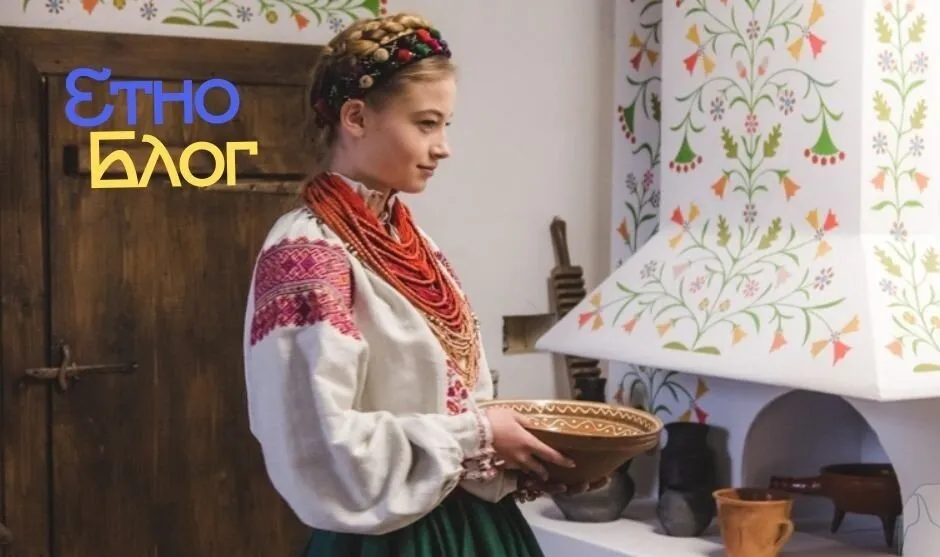
Which Dishes Are Considered National
The best-known national dishes of Ukrainians include borshch, varenyky, holubtsi (cabbage rolls), deruny (potato pancakes), kulish, halushky (dumplings), pampushky, syrnyky (cottage cheese pancakes), uzvar, homemade sausages and roast meat. These are the dishes most often associated with Ukrainian cuisine, the home table, holidays and hospitality.
Ukrainian cuisine is valued not only for its taste but also for its variety. It combines everyday dishes, festive treats, seasonal products, family dining traditions and the local features of different regions. If you want to delve deeper into the subject of everyday life and traditions, also take a look at the National Museum of Folk Architecture and Life of Ukraine in Pyrohiv.
What Makes Ukrainian Cuisine Special
Ukrainian cuisine grew out of a combination of local products, seasonality, home cooking and regional diversity. Over the centuries, grain dishes, vegetables, dairy products, meat, fish, bread, baked and boiled dishes played an important role in the diet, as did methods of long-term food storage – fermenting, drying, curing and pickling.
Borshch occupies a special place in Ukrainian gastronomy. The culture of cooking Ukrainian borshch has been inscribed on the List of Intangible Cultural Heritage in Need of Urgent Safeguarding. This is an important international sign of the significance of the Ukrainian culinary tradition and its place in cultural memory.
Regional Features of Ukrainian Cuisine
Ukrainian cuisine is not the same in all regions. Ingredients, flavour combinations, cooking methods and even the usual versions of one and the same dish differ. That is why getting to know Ukrainian cuisine is always interesting: it shows not a single standard tradition but a living map of culinary habits and local features.
For a traveller, gastronomy is one more way to get to know a region. Through cuisine it is easier to understand everyday life, local products, festive customs and the atmosphere of hospitality. If you want to continue getting to know the Kyiv region through travel, go to the section of tourist routes of the Kyiv region.
Why Ukrainian Cuisine Is Interesting to Tourists
Ukrainian cuisine is interesting to tourists because it gives not just a set of well-known names but a complete cultural experience. Through dishes, a person better understands everyday life, the pace of life, family traditions, local holidays and the way of hosting guests. That is why the gastronomic theme combines well with travel, museums, fairs, local producers and cultural routes.
To see this culture not only in a description but also in real space, it is worth combining the reading of this article with one of the routes of the Kyiv region.
An integral and perhaps the most important component of a people’s everyday life is the food system, which in folk everyday culture is the most stable of the components of material culture, despite the constant change of its individual elements. The components of food culture include products and dishes, customs, table etiquette, eating routines, gastronomic preferences and taboos. Since the times of Kyivan Rus, the Greco-Roman model of eating took hold on our lands (a priority on plant-based food, as opposed to the meat-based model of medieval Europe), while up to the 18th century meat and fish products made up a significant share of gastronomy, thus balancing the main models of eating. From the 17th century, as the Russian colonial socio-economic system spread, and under natural and geographical conditions, plant-based food began to predominate in Ukraine, and only in modern times has it returned to a balanced plant, meat and dairy diet.
Over the many centuries the diet, preferences and customs connected with preparing and serving dishes have changed, yet what remains stable is the richness of Ukrainian cuisine, the love of traditional national dishes (borshch, varenyky, salo) and Ukrainian hospitality. Among the common methods of long-term food preservation were pickling, fermenting, drying and curing; the main method of processing grain was milling, and among thermal methods of cooking boiling and stewing predominated, which was due to the design of the stove in Ukraine.
Plant-based food in Ukraine consisted of grain and vegetable crops. Today we will focus on a dish as important to Ukrainians as bread, which for many centuries was the main product in the diet. Its baking in the times of Kyivan Rus is confirmed by documents and archaeology as early as the 11th century. Its cultivation, varieties and recipes have regional features. In most of Ukraine rye bread became widespread (plain or with various additions), and in the south – white wheat bread. Ukrainian ethnographers of the 19th and early 20th centuries spoke of bread as the main nourishment of the Ukrainian population. Folk cuisine was distinguished by a variety of flour dishes – baked (bread, flatbreads, pampushky, pies, knyshi, etc.) and boiled (zatirka, halushky, noodles, varenyky, etc.), both everyday and ritual. Next, a substantial part of folk food consisted of porridges (buckwheat, millet, oat, corn, etc.), thin cereal dishes (millet kulish, barley krupnyk, etc.) and porridge-like flour dishes from various grains (buckwheat lemishka, rye solomakha, corn mamalyga, etc.), including fermented ones (oat kysil, rye-buckwheat kvasha). And from the 18th century potatoes began to compete with bread products, and the variety of dishes made from them not only firmly entered folk cooking but also supplemented the rather rich vegetable diet of Ukrainian cuisine. Among the dishes of the latter, borshch and kapusniak remain the leaders to this day.
Products of animal origin in Ukraine have long been represented by meat, dairy and fish dishes. Meat was a rarity in everyday life, so popular dishes made from it were, as a rule, festive dishes (sausages, blood sausages, holubtsi, roast meat). Salo was popular with Ukrainians; because of its calorie content, certain medicinal properties and taste qualities, it was used both raw and in all possible forms of heat treatment. In addition, the absence of heat-resistant cookware and other comforts of civilisation encouraged people to eat products that were practical to store. Dairy dishes were popular, and their products made up the lion’s share of “women’s” income in the household.
During the Soviet socio-economic experiments, bread remained the main food of Ukraine’s agrarian society, and certain dishes began to disappear from traditional Ukrainian cuisine, not least because of economic hardship and the “unpopularity” of ethnographic traditions in the new Soviet way of life. To give readers an idea of the diet of Ukrainians at the beginning of the last century, we present a table of annual and daily consumption of food per capita in Ukraine in 1925:
Ukraine 1925 | Flour | Potatoes | Milk | Meat and fish | Groats | Vegetables | Oil | Cheese | Butter | Sugar | Eggs | Sour cream | Legumes |
kilograms per year | 174.4 | 160,8 | 51,84 | 27.68 | 24,32 | 19.52 | 4.8 | 3.84 | 0.96 | 2.88 | 2.72 | 2.72 | 0,45 |
grams per day | 477,8 | 440.5 | 142 | 75.8 | 66.6 | 53.5 | 13.1 | 10.5 | 2.6 | 7.9 | 7.4 | 7.4 | 1.23 |
Subsequently, bread consumption norms in the USSR were traditionally high (1950: 471 g/day, 1973: 397 g/day, 1985: 378 g/day). In independent Ukraine bread remains among the main foods of the population, and its consumption norm grew noticeably in years of economic crisis. At the beginning of the 2000s, 40% of the consumption range consisted of bakery products made from rye flour and its mixture with wheat flour, and 30% from premium wheat flour. In the last decade Ukraine has seen a trend of declining production of “traditional” bread and a shift to consuming “alternative” types of bread (dietary, protein, yeast-free, with additives, etc.), and home baking traditions are being revived. Eating potatoes remains traditional. Exotic fruit takes an ever larger place in Ukrainians’ diet; in particular, 2018–2019 were record years for banana consumption, which has grown by 20–22% over the past 5 years.
Thus, food culture has recently undergone certain transformations, but traditional cuisine continues to hold one of the significant places in it. The museum complex of the Pereiaslav National Historical and Ethnographic Reserve not only studies and preserves folk food traditions but also gives an idea of the everyday life of Ukrainians 100–150 years ago and an opportunity to compare the standard of living then and now. Museum sites and objects show the means of producing bread and preparing daily food – from mills for processing grain to the stove and household utensils for cooking and storing it.
In the context of the globalisation of the modern world and the standardisation of the food system, it is extremely important not to forget our own gastronomic traditions and preferences, the diversity of Ukrainian cuisine, whose dishes have become part of the world’s cultural heritage. Read about other dishes in our upcoming publications.
Oleksii Lukashevych,
Candidate of Historical Sciences,
Director General of the Pereiaslav National Historical and Ethnographic Reserve


More articles