MASLENITSA
In recent decades, the celebration of Maslenytsia has become part of Ukrainians’ everyday life, but we would like to draw attention to the essence of this holiday and the tradition of marking it in Ukraine.
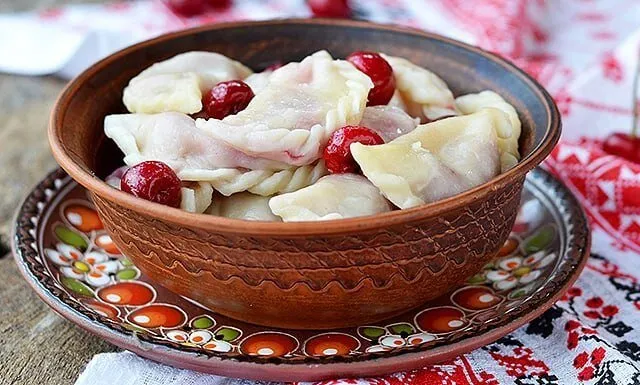
Maslenytsia is a playful and joyful period, characterised by eating a large quantity of tasty dishes made with dairy products and flour. It was a time when Meat Weeks (Miasnytsi) were coming to an end, a name that points to the dominance of meat dishes in Ukrainians’ diet. A sharp transition to a strict fast, when it was forbidden to eat non-fasting food (meat or dairy), would have been too hard a test for health. One of the functions of Maslenytsia is precisely to prepare for and carry out such a painless, smooth, gradual transition. So, Maslenytsia is the last week before Great Lent. This year this period falls on 20–26 February. Special honour in these days was given to varenyky with cottage cheese in sour cream. Hence the saying: “Wait, little varenyky, Maslenytsia will come for you too!”
During the 1970s and 1980s, the celebration of Maslenytsia was reduced to a “staged” scenario written by culture departments and based on the Russian tradition of making “blini”.
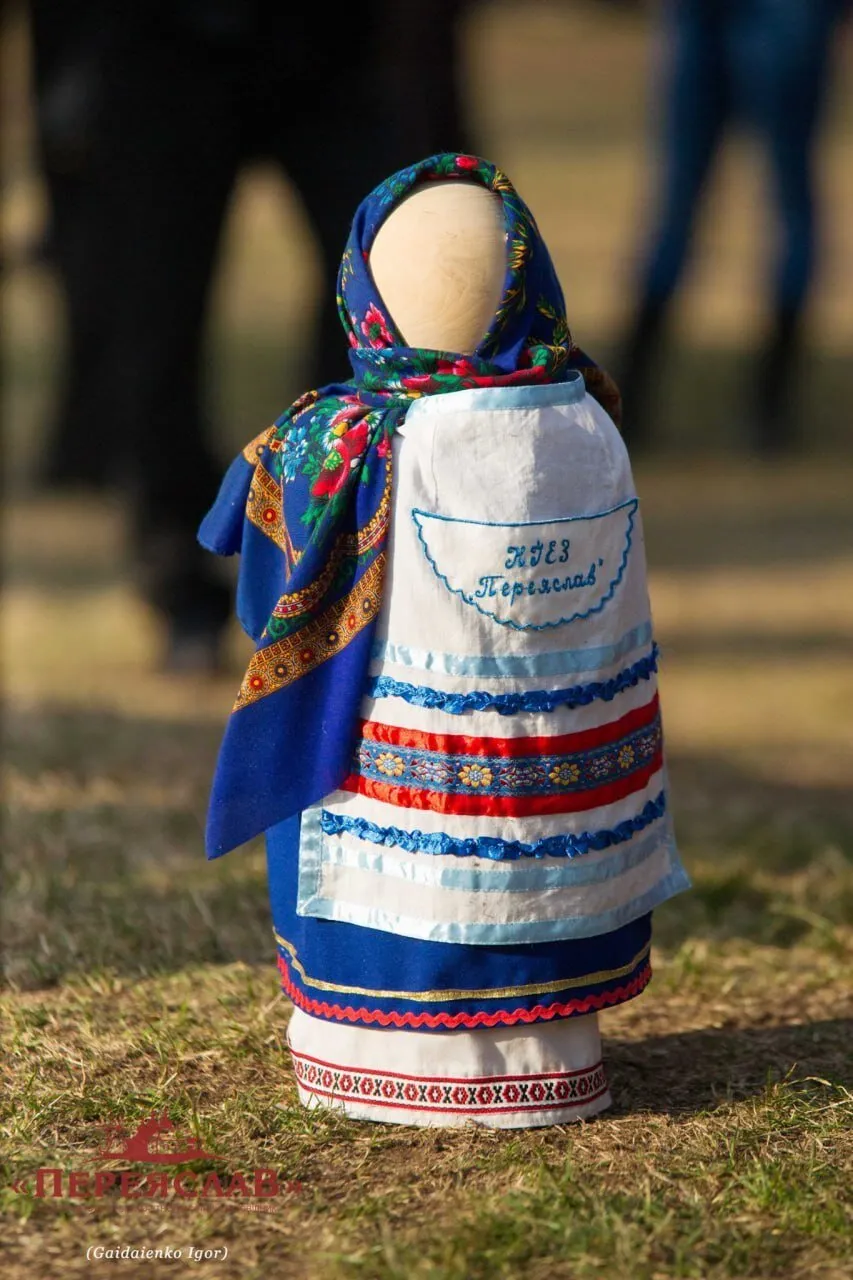
In Ukraine, however, Maslenytsia had its own original variants and was also known as “Kolodii”. The “Kolodka” was usually celebrated by women. Over the week they gathered together and swaddled a log or a rolling pin. The result was something like a newborn baby. This meant that the “Kolodka” had been born. They congratulated each other on the birth and sang: “It is not Sunday now, it is Kolodii now, it is the Kolodka now, because vodka is sweet.”
In addition, during Maslenytsia, married women under the age of 30 went from house to house where grown-up young people lived and tied a block to their hand or foot and demanded a ransom. The father of the one who had been bound would say with a deliberately angry look: “Serves you right, you didn’t want to marry, now drag the block. He thought he’d be having a wedding, but now he has to buy himself out of the block.” It is worth noting here that the lion’s share of weddings in Ukraine at that time fell precisely on Meat Weeks. So the marriage season had ended, and whoever had not married was in for the block. After all, a person’s main purpose is the continuation of the family line, and the main idea of the holiday is the initiation of marital relations. The historian Stepan Kylymnyk described an interesting custom that existed in the Poltava region. When an illegitimate child appeared in a village, they found out who the baby’s father was. At Kolodii the young women went to him, took him with them by force, put a swaddled “block” in his hands, walked through the whole village and turned into the yard of the unmarried mother. There they attached the “block” to his leg, made him bow to the wronged girl and kiss the child. The young man bought himself out from the women and gave a present to the child.
The last day of Maslenytsia was also called “Forgiveness Sunday”, a time of reconciliation and harmony. People went to acquaintances and relatives to ask forgiveness for possible sins and wrongs done during the year. They also visited the cemetery so that deceased relatives would forgive them too. They believed that the Last Judgement, if it ever came, would come on exactly this day. And, preparing for the fast, they hurried to cleanse themselves morally.
Svitlana Zuber,
Senior Researcher at the Museum of Ukrainian Rituals
of the Pereiaslav National Historical and Ethnographic Reserve.

More articles