FOLK MEDICINE AND MEDICAL INSTITUTIONS IN UKRAINE: FROM KYIVAN RUS TO THE 19TH CENTURY
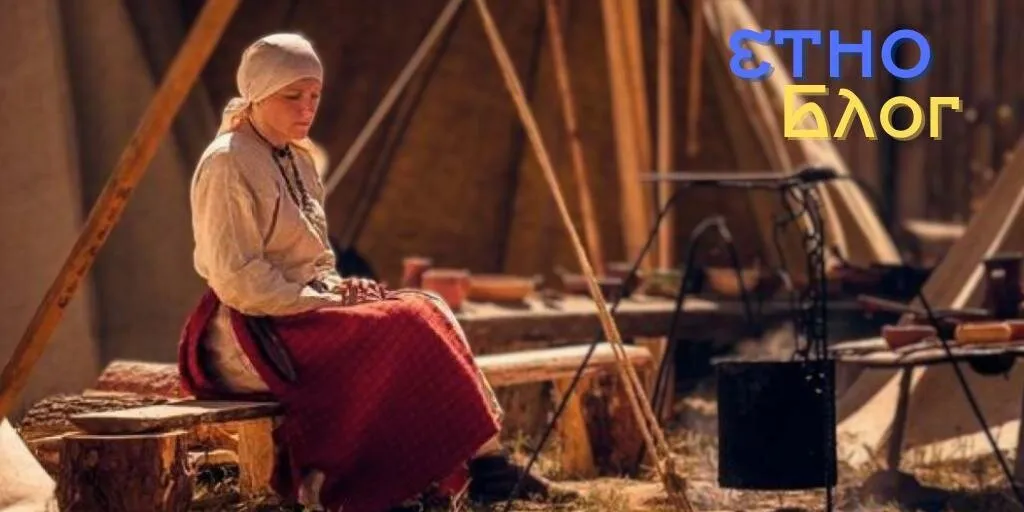
The history of folk medicine begins with healing practices. Elements of magic were also widespread in folk medical practice, connected with the activity of whisperers, healers and folk doctors. At the same time, treatment with herbs (folk herbalism), often combined with verbal methods (prayer forms, spells, incantations, etc.), has ancient origins. Information on folk medicine in Ukraine is recorded in monuments of Old Rus culture, the “Herbals” (“Travnyky”) and “Healers’ Books” (“Zileiniky”); from the 18th century, folk advice books became widespread. Having originated in primeval times, this type of medical practice remains widespread to this day.
The centres of the first official medicine arose at princely courts, and medical practice in Kyivan Rus was a privileged profession. The first medical work is considered to be the 12th-century scientific treatise “Ointments” by Princess Eupraxia Mstyslavivna. In general, in both Old Rus and Cossack times the population in the territory of Ukraine was widely skilled in treatment with herbs, which were gathered at particular times; in connection with epidemics, some preventive knowledge was widespread. Active military operations stimulated the development of surgery and first aid for wounds. For example, the Sich Cossacks knew how not only to stop bleeding but also to treat open fractures, remove bullets and shattered bones, perform amputations and so on. Knowledge of painkillers, antiseptics and ways of antiseptic treatment of instruments developed. The French military engineer Guillaume Levasseur de Beauplan mentioned fairly effective and unusual methods of treatment in Cossack practice (for example, healing mixtures of gunpowder or ash and vodka). Phytotherapy and aromatherapy were widespread among Cossack medics. After all, the Ukrainian tradition of filling the house with fragrant herbs had not only an aesthetic but also a healing significance.
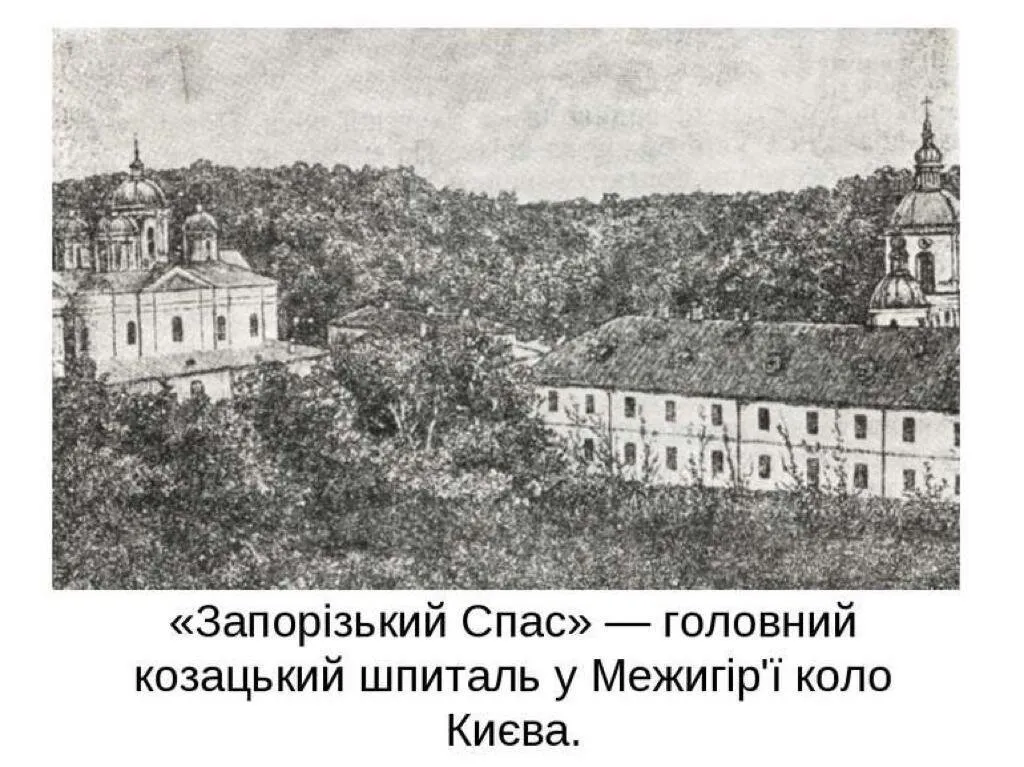
The creation of medical institutions in Ukraine is connected with the Christianisation of Old Rus society, the spread of Byzantine traditions and charity, and began at church institutions. The founder of medical care in the Kyiv Pechersk Monastery is considered to be Agapit of the Caves, who healed the sick with prayers and herbs and, according to legend, saved Prince Volodymyr Monomakh from death. Churches in honour of Agapit of the Caves were often built on the grounds of medical institutions. In the 12th century a hospital for sick and infirm monks was founded on the territory of the Kyiv Pechersk Lavra. According to Byzantine tradition, almshouses (charitable institutions for the care of lonely, incapacitated people) operated at monastery hospitals. One of the first shelters for the needy sick and infirm operated at the Kyiv Pechersk Monastery. Information about the founding of a hospital for the sick and poor in Lviv is recorded in city records of 1377. From the 16th century, the organisation of charitable hospitals and shelters in Ukraine was carried out by church brotherhoods. During the Cossack era the network of almshouse-hospitals grew considerably, as the need to care for maimed and infirm soldiers grew. Large Cossack military hospitals operated at the Trakhtemyriv Dormition, Motronyn Trinity, Mezhyhiria monasteries and others.
After Muscovite tsarism in Ukraine launched an offensive against the independent Ukrainian church, the traditional system of charity was destroyed, and with it the institutions of medical aid were transformed. The system of shelters was subordinated to state bodies and aimed to reduce the number of beggars on the streets. Thus, at the end of the 18th century, by order of Empress Catherine II, the liquidation of large church landholdings began, as a result of which, for example, the Holy Trinity Kyiv-Kyrylivskyi Monastery, which had housed a well-known military and public almshouse, was closed. From the beginning of the 19th century, on the basis of the former monastery, the creation of the Kyiv-Kyrylivskyi charitable institutions began (a home for the disabled, a hospital, an almshouse), which grew into a medical complex. In 1843 a paramedic school was opened, and at the beginning of the 20th century a maternity clinic, and so on. The subordination of the system of medical aid to state bodies implied not only state regulation of the medical sphere but also official oversight of the activity of the relevant church and public institutions. The medical educational institutions of Moscow and St Petersburg became a means of Russification of the Ukrainian intelligentsia, many of whose natives joined the ranks of numerous Russian institutions.
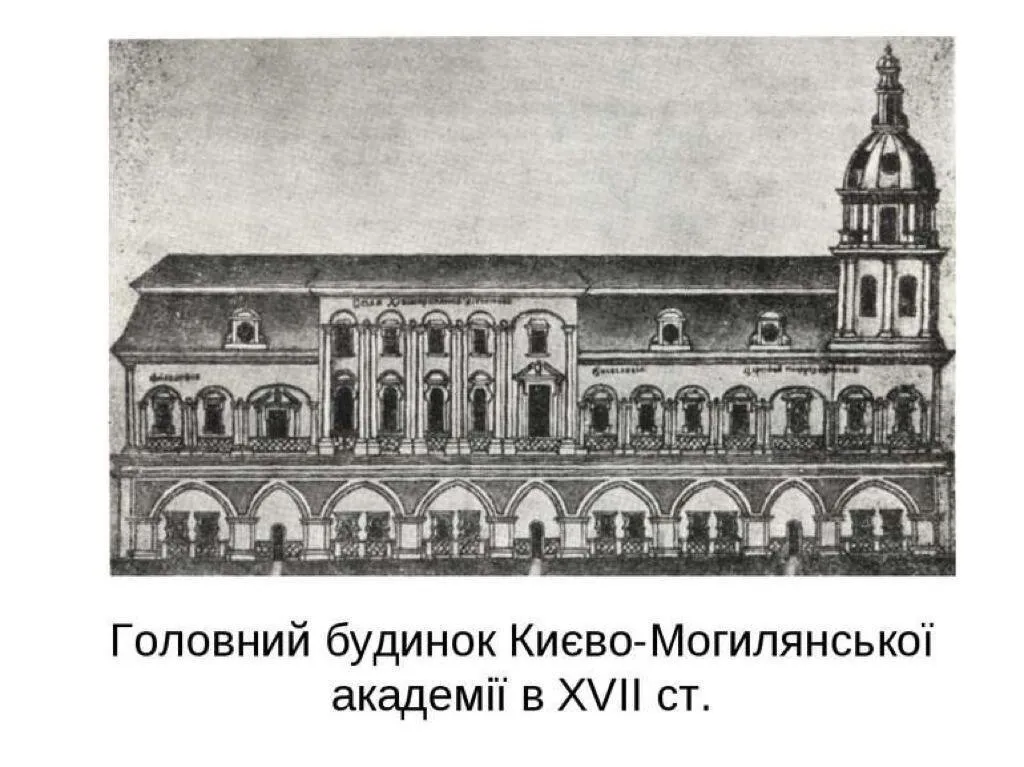
Despite unfavourable political circumstances, the deep traditions of folk medicine and academic education in Ukraine created the preconditions for the development of a professional medical system. Medical personnel in Ukraine were trained first by the Kyiv-Mohyla Academy, and from the 19th century by the universities of Kyiv, Kharkiv and Odesa. Medicine in Ukraine in the second half of the 18th and early 20th centuries is represented by a whole cohort of famous names, including the Nobel laureate I. Mechnikov. Particular achievements were seen in obstetrics and gynaecology, immunology, bacteriology and epidemiology. During the 19th century a network of medical institutions was formed, which after the reforms of the 1860s came under the care of the zemstvos and magistrates.
Oksana Tarapon,
Leading Researcher at the Research Department
of Historical Local Studies, Pereiaslav National Historical and Ethnographic Reserve



More articles