PET film and ecology: why this material is considered the gold standard of recycling
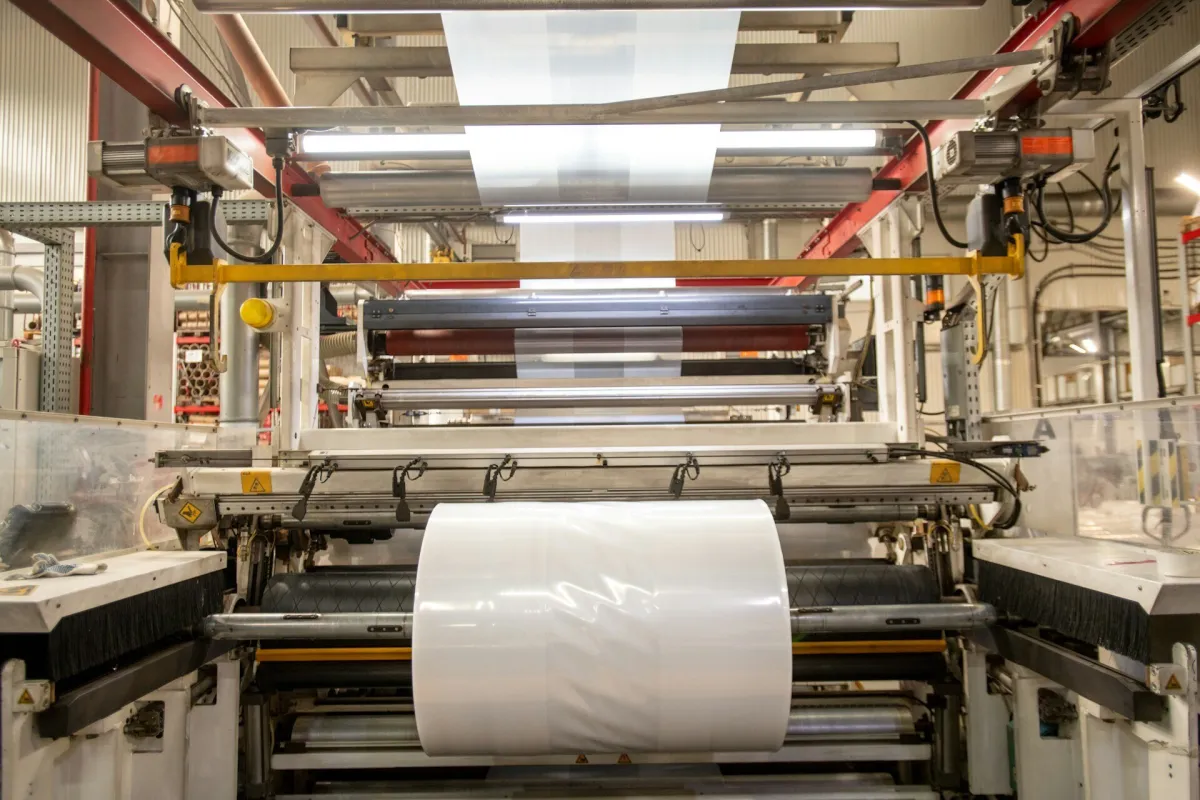
Today the question of business’s environmental responsibility is not just a trend, but a foundation of survival on the market. Manufacturers of food, pharmaceuticals and household chemicals increasingly look for a balance between the functionality of packaging and its safety for the environment. In this context, PET film (polyethylene terephthalate) has confidently taken the place of the “gold standard”.
Why exactly has this material become the favourite of modern recycling, and how does it help companies such as Optipak create quality containers? Let’s look at it in detail.
Polyethylene terephthalate: a material with an “endless” life
Unlike many other types of plastic, PET is a cyclical material. This means that PET film for thermoforming can be recycled and reused without a significant loss of physical and chemical properties.
- Transparency and aesthetics: The material ensures perfect visibility of the product.
- Barrier properties: Protects the contents from oxygen, moisture and foreign odours.
- Ease of recycling: The marking “1” in a triangle is familiar to every waste sorter.
Plastic thermoforming: from roll to finished packaging
The main method of processing polymer sheets into finished products is plastic thermoforming. This is a technological process in which thermoforming film is heated to a plastic state, after which it takes the shape of a mould by means of vacuum or pressure.
It is thanks to this technology that the packaging and containers familiar to everyone appear:
- Containers for salads and semi-finished products.
- Trays for confectionery.
- Blister packaging for electronics and medicines.
The use of quality rigid film makes it possible to achieve high precision of shapes and wall strength with a minimal thickness of the material, which significantly reduces logistics costs.
Why PET film is the choice of conscious manufacturers
The production of PET containers has a significantly smaller carbon footprint compared with the production of glass or aluminium. In addition, technological development makes it possible to use up to 100% recycled raw material (rPET) in new rolls.
PET strip and film used in industry have the following advantages:
- Chemical neutrality: The material does not react with food products.
- Strength: Resistance to tearing and mechanical damage during transportation.
- Economic benefit: Automated thermoforming makes it possible to produce thousands of units of product in minutes.
Optipak’s role in the “green” transition
Optipak is one of the leaders of the Ukrainian market, specialising in the sale of disposable plastic tableware and packaging materials. Understanding the needs of the modern consumer, the company focuses on materials that can be fully recycled.
If your enterprise needs a reliable supply where PET film meets international quality standards, Optipak offers comprehensive solutions. From raw material for your own production to ready-made containers, every product is aimed at making your business more efficient and the environment cleaner.
What next?
The world is moving towards a circular economy. In this future, PET-based thermoforming film will remain a key element. Thanks to improved waste collection and sorting systems, every container bought today may tomorrow become part of new blister packaging or textile fibre.
By choosing PET, you invest not only in a quality presentation of your product, but also in the reputation of a brand that cares about the planet. And with partners like Optipak, the transition to eco-friendly packaging becomes a simple and economically beneficial step.