Ukraine in the time of Bohdan Khmelnytskyi as described by foreigners (mid-17th century)
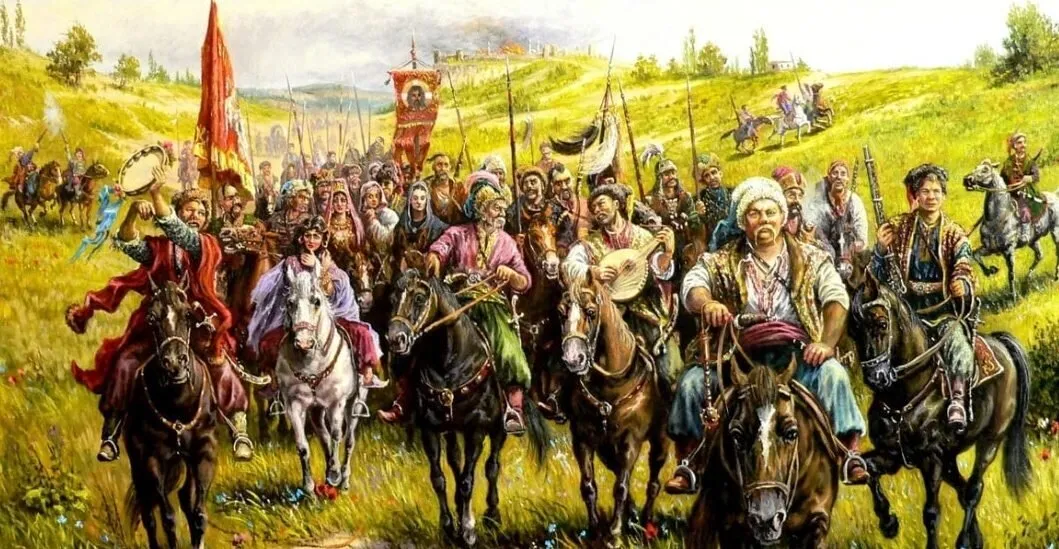
Ukraine’s War of Liberation against the Polish-Lithuanian Commonwealth, one of the mighty European states of the mid-17th century, and the outstanding figure of Bohdan Khmelnytskyi aroused an enduring interest in Ukraine not only among its neighbours but also in the political “beau monde” of the time, including statesmen, diplomats and writers. Foreigners tried to see the Ukrainian land in person and to win the favour of the Cossacks and their leader. The French, Italians, English, Germans, Scots, Swedes, Dutch and Syrians usually described our country favourably, often with admiration and wonder.
The most interesting notes were left by Alberto Vimina da Ceneda, an envoy of the Republic of Venice, who arrived at the court of Hetman B. Khmelnytskyi in 1650 to gather information about the Zaporozhian Host and the possibilities of organising an anti-Ottoman coalition. Alberto Vimina left a handwritten “Relation” on the geography, history and ethnography of Ukraine, the customs of the Cossacks and a portrait of the hetman (published in a limited edition in 1890). He calls our land Ukraine, the language Ruthenian, and the system of government republican. According to Vimina, the Cossacks are masterful at crafts and less skilled at farming. He points out that in Poland all lightly armed men who fight on horseback, with bow and musket, are counted as Cossacks. He notes that the Cossack land had long been inhabited by a warlike “Ruthenian tribe” accustomed to arms, which was necessary in conditions of constant Tatar raids.
Of the richness of the land in the Zaporizhzhia region he writes that it is so fertile that it “can not only be placed alongside the most cultivated countries of Europe but also satisfy the demands of the most zealous farmer”. The author notes the abundance of grains, dairy and meat products and fish, and the variety and quality of vegetables and fruit, which he compares to the best European varieties. The land of Ukraine seemed to him so rich that he was surprised by the population’s neglect of certain wild fruits, which were not gathered.
Despite the outward simplicity of their appearance and behaviour, the Cossacks have a sharp mind. As for the form of government, the highest state body of the Cossacks is the Council, where all matters are decided in the presence of the hetman. Vimina stresses that Cossack deliberation takes place without “boasting”, with the aim of the common good, so when they recognise another’s view as better, they join it. Vimina compares the Cossack republic to the Spartan one, if only “the Cossacks likewise honoured sobriety”. The author expresses the interesting view that the Cossacks do not live in full abundance and comfort only because they drink away their surplus income and do not value wealth at all, being content with little, while valuing freedom above all.
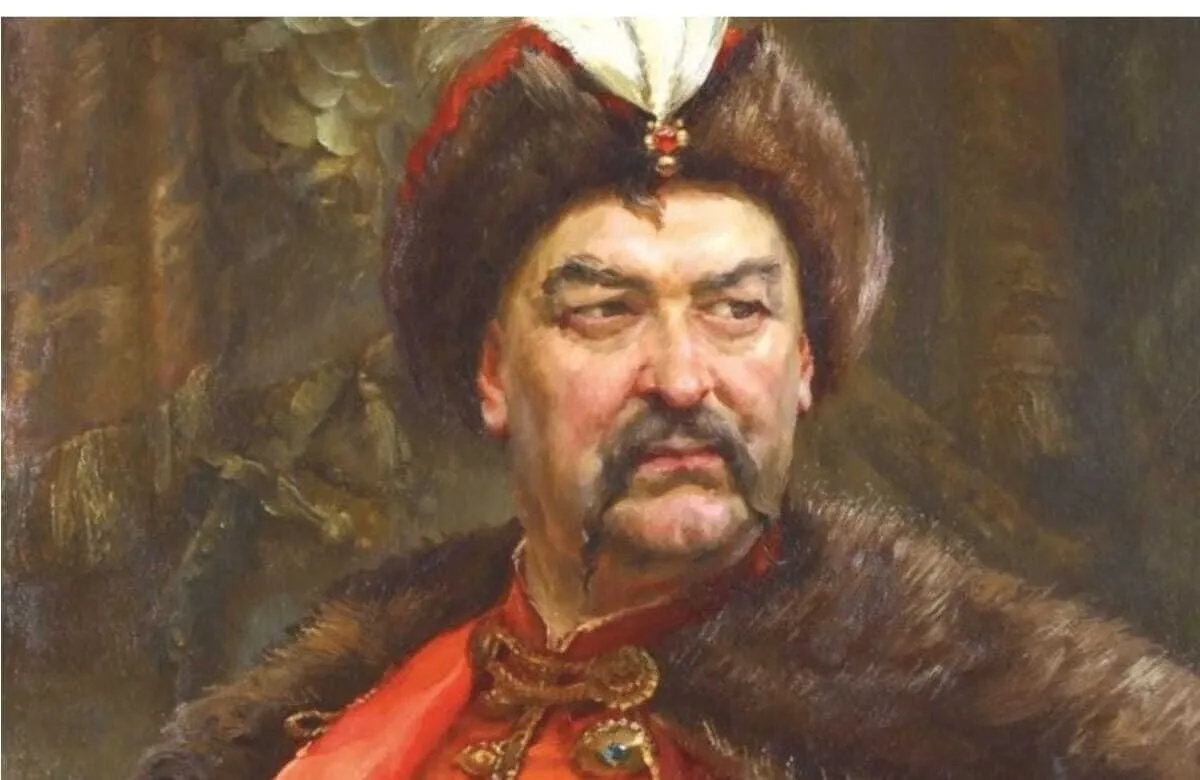
B. Khmelnytskyi, according to Vimina’s description, is tall, sturdily built, judicious in thought, with a penetrating mind, gentle and simple in manner, which wins him the love of his soldiers, while at the same time he keeps them in discipline through strict demands. He extends his hand to all visitors and invites them to sit down, if they are Cossacks. The hetman’s chamber is distinguished by its simplicity, “so as to remember his position and not be carried away by the spirit of excessive pride”.
Among the detailed descriptions of Ukraine, its culture, customs and way of life in the mid-17th century, particularly valuable is the travel diary of Paul of Aleppo (from the city of Aleppo in Syria), “The Travels of Macarius, Patriarch of Antioch”, secretary of the Patriarch of Antioch Macarius III, who travelled through Ukraine in 1654 and 1656. It is the only Arabic-language source on 17th-century Ukraine, copies of which are held in the British Museum, the Paris National Library and elsewhere.
Paul of Aleppo was struck by the meeting of B. Khmelnytskyi with the patriarch, by the hetman’s level of upbringing and respect for the patriarch, who was honoured as the dearest guest, from the ceremony of welcome at the entrance to the city and the observance of hospitality etiquette to a warm personal attitude (unlike the rulers of Wallachia and Moldavia). He points to the contrast between Hetman Khmel’s worldwide fame, in honour of whose military achievements odes were composed in Europe, and his outward simplicity and way of life: sincere, calm, taciturn, but not detached from people, handling all affairs personally, moderate in food and drink and in dress. He was struck by the absence of any special retinue around the hetman and of costly household items, since on campaign the Cossack officers disregard such things. The high level of B. Khmelnytskyi’s hospitality and his developed political diplomacy were, incidentally, also described by a member of the Swedish embassy to the hetman, K. Ya. Hildebrandt, who was in Ukraine in 1556–1557.
Paul of Aleppo writes about Ukraine with admiration. He notes the high level of culture, the great learning of the Ukrainian upper class, and the presence among monastery instructors of scholars, jurists and orators who work on profound questions. He was greatly surprised that the inhabitants of Ukraine, with few exceptions, including women and girls, can read and know the order of the church service and singing. Priests teach orphans, not letting them loiter in the streets, for because of terrible wars Ukraine was full of widows and orphans. In the evenings the orphans go from house to house to beg for alms, singing hymns to the Mother of God in chorus, and receiving a donation that sustains them until they finish their studies. That is why most of them are literate. Alms are brought to the houses for the poor and orphans that exist in all settlements, unlike in Moldavian or Wallachian lands, where beggars go in crowds to churches, disturbing people at prayer.
The author is impressed by Ukrainian construction, urban, defensive and ecclesiastical: bell towers and towers with clocks, fountains in squares, churches in all towns, and the presence of bathhouses for residents. He compares Chyhyryn to the citadel in Aleppo, spacious and naturally protected by marshes, although it lay in ruins.
Oksana Tarapon,
Candidate of Historical Sciences, Associate Professor,
Leading Researcher of the Research Department
of Historical Local Studies of the Pereiaslav National Historical and Ethnographic Reserve

More articles