The Ukrainian Inn
Studying the history of tourism is impossible without an understanding of the history of how hotel and restaurant establishments developed as infrastructure that made travel possible and that were not only places to eat but also centres of public life several centuries ago. The emergence and development of public catering establishments in Ukraine have a deep history connected with European traditions, since from antiquity, and later in the countries of medieval Europe, public places for drinking were not only places of rest and socialising but also of resolving important public matters.In Kyiv, as a trading centre in the 11th century, inns were important city institutions, belonged to city communities, and only from the second half of the 12th century began to come under the authority of the prince and the state, and of monasteries.
In the Rus’-Lithuanian era, the free inn gradually passed into the hands of the nobility and leaseholders, though it did not lose its social functions. Under Polish rule in Ukraine, taverns spread, and the free Slavic inn turned into the Jewish tavern, with the organisation of a guild type, subordinate to the senior officers, preserved only in Zaporizhzhia. Russian expansion into Ukraine led to the spread of the tsarist kabaks (“drinking houses” which, unlike European traditions, sold only alcohol until 1881), which was a peculiar form of state alcohol monopoly and provoked fierce resistance among Ukrainian society. In the 18th–19th centuries the inn (tavern) predominated in Ukraine, which was one of the important differences between it and “kabak” Russia. It was precisely the introduction of foreign-state features into the Ukrainian inn that gave it a distorted character as a place of disorder and drunkenness, in effect turning this public institution (“people’s establishment”) into an establishment of economic enslavement of the population.
Despite complex historical transformations, the inn in Ukraine retained its public and communicative functions, was a centre of leisure and entertainment, a kind of people’s club (according to P. Chubynskyi), and preserved an ethnic character in its decoration. Although in the Soviet period the word “korchma” almost fell out of use, the historical memory of this colourful establishment is reflected in feature and animated films: “The Lost Letter” (1972) and “How the Cossacks Celebrated at a Wedding” (1984).
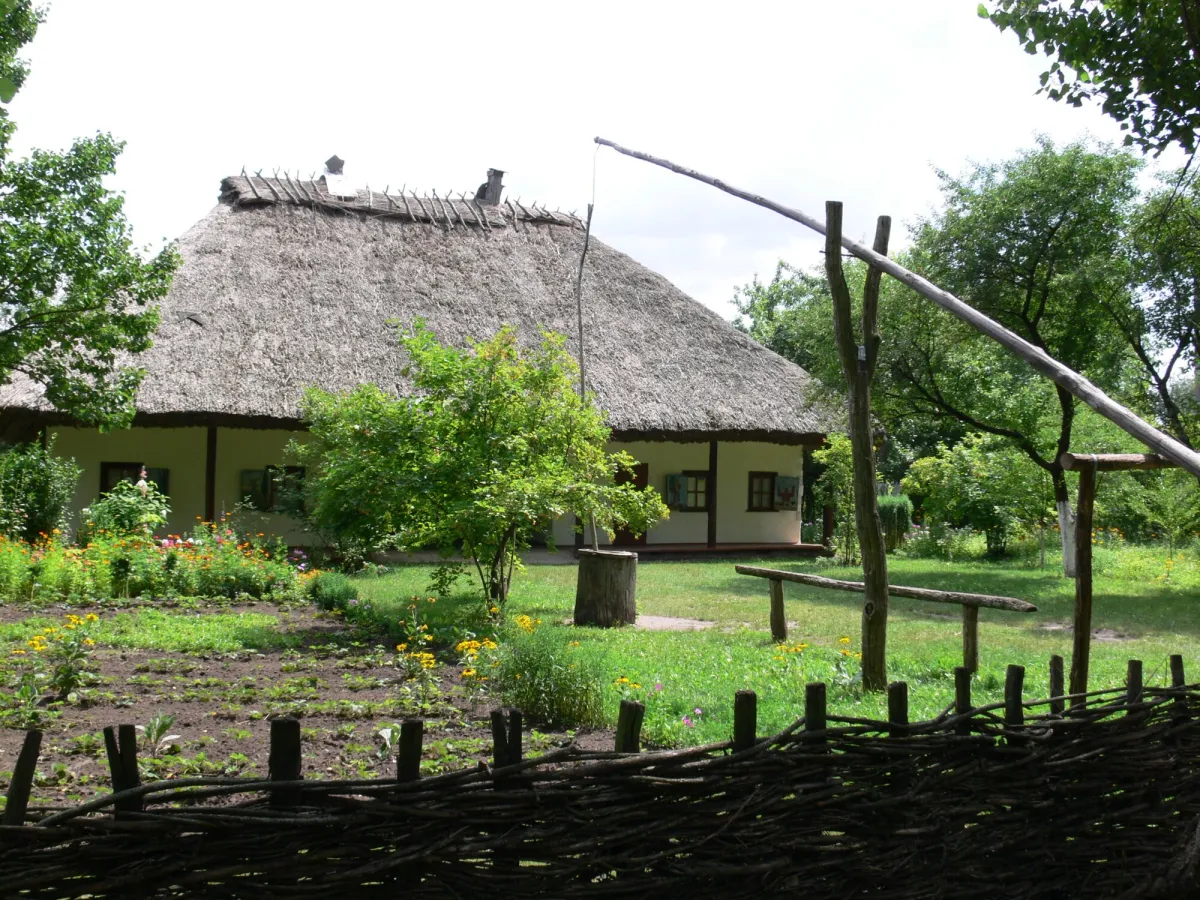
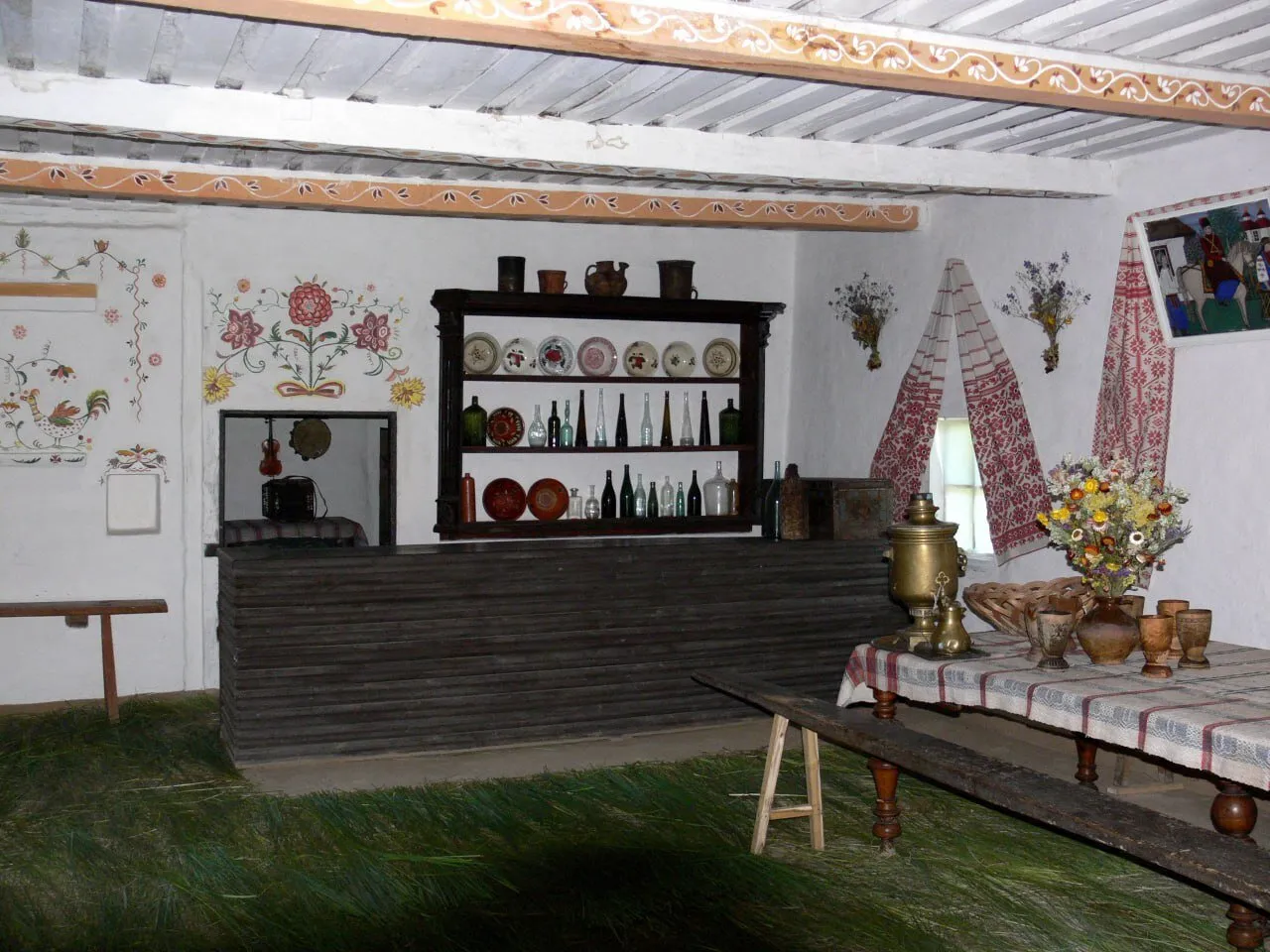
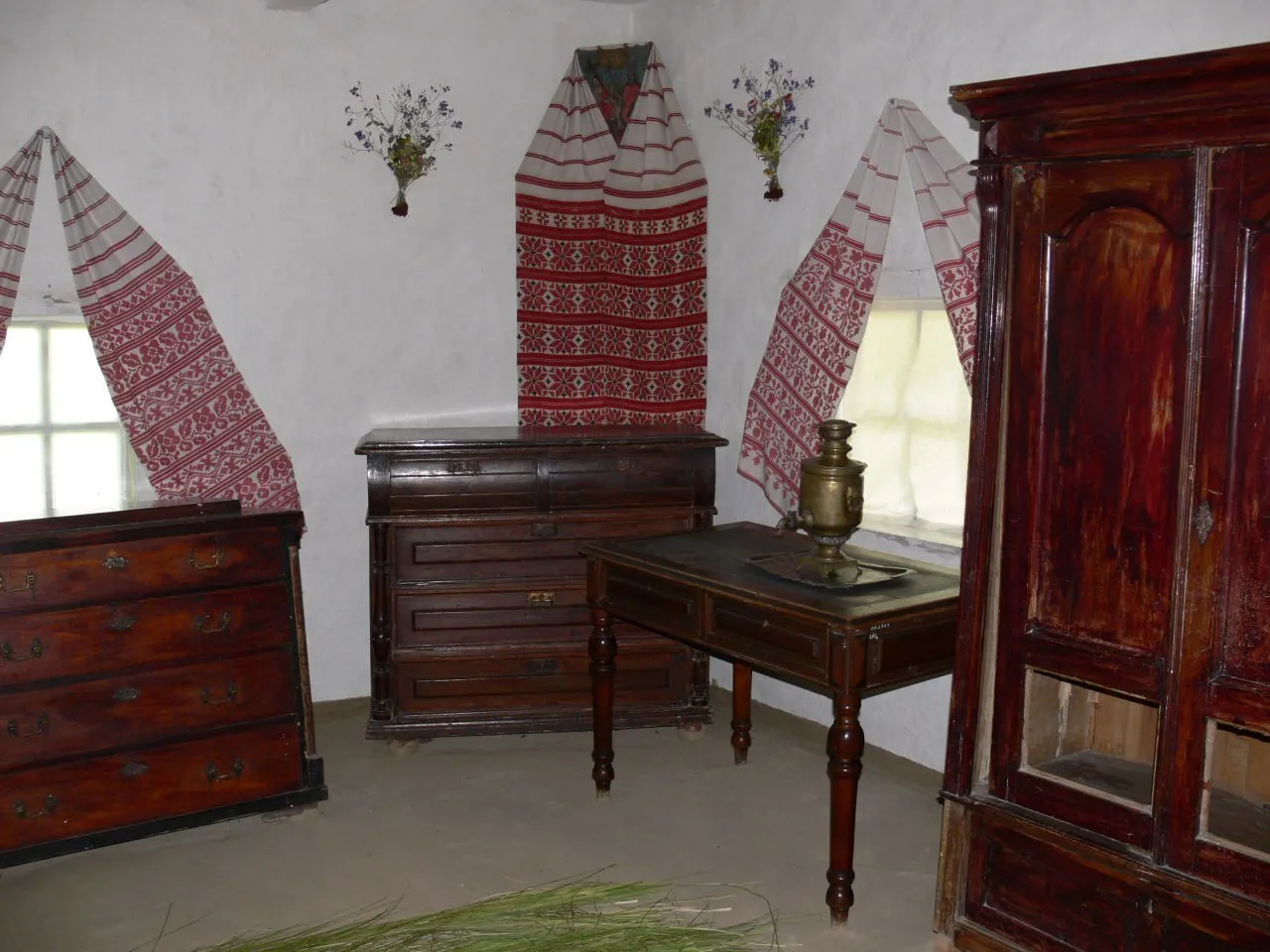
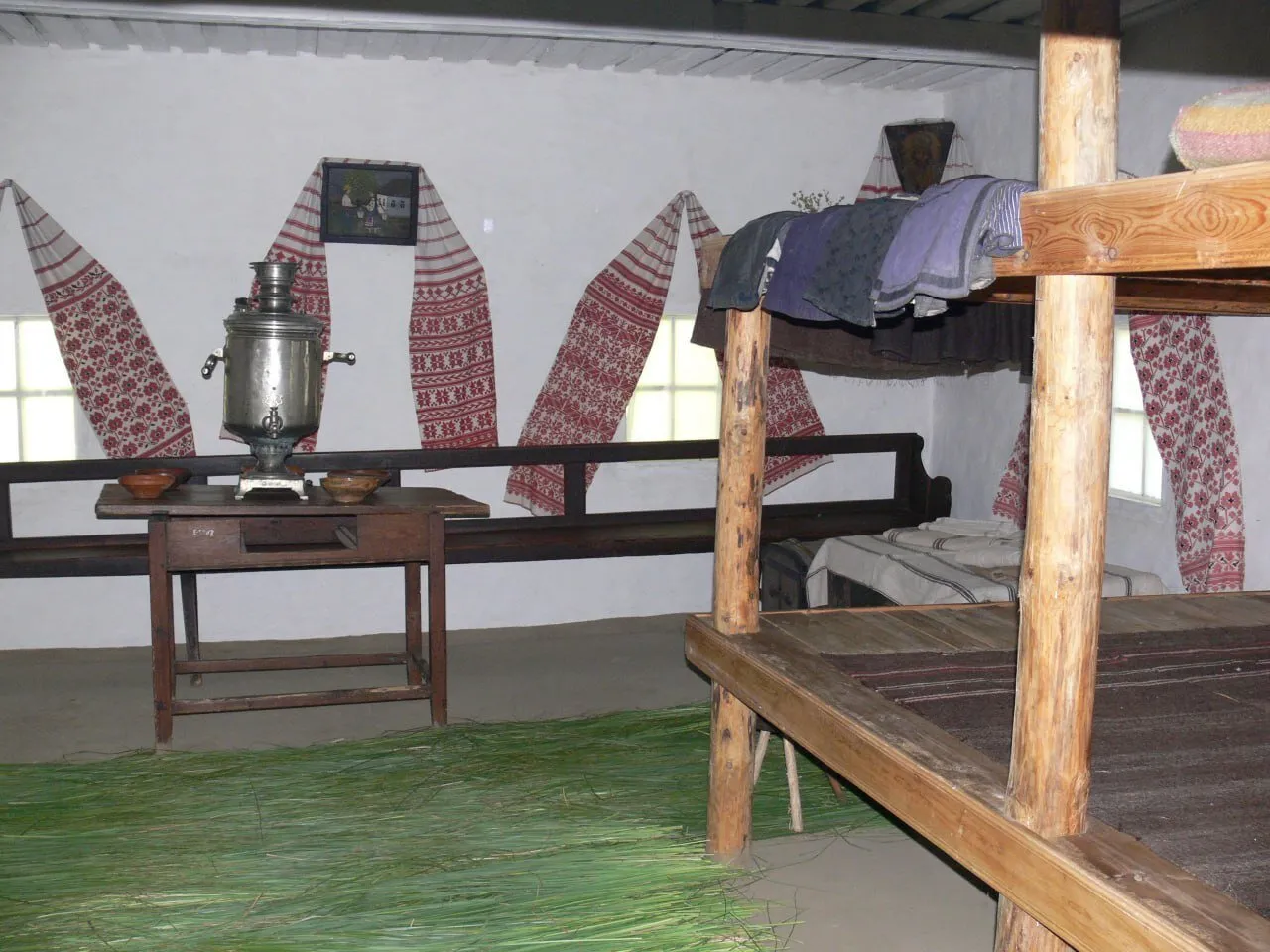
The architectural features, interior and furnishings of a typical 19th-century Ukrainian tavern and inn can be seen at the Open-Air Museum of the Pereiaslav National Historical and Ethnographic Reserve, where visitors can look around the hospitable living rooms, peek into the utility rooms, imagine the technological level of distilling at that time, see a variety of dishes (clay, glass, wooden and metal) and household utensils, and feel the spirit of history.
Oksana Tarapon,
Leading Researcher at the Research Branch “Museum of Folk Architecture and Life of the Middle Dnipro Region” of the Pereiaslav National Historical and Ethnographic Reserve



More articles