The territory of present-day Bilohorodka has been settled since ancient times. The remains of a Late Trypillia settlement (3rd millennium BC), a Bronze Age burial ground (2nd – 1st millennium BC), a settlement of the Zarubyntsi culture (2nd century BC – 2nd century AD) and a Slavic settlement (7th – 9th centuries) have been discovered in the village. In the second half of the 10th century the Old Rus city of Bilhorod arose here.
41 mentions in the chronicles are devoted to Bilhorod. The city is first mentioned in the chronicle under the year 980 as the personal residence of the Grand Prince of Kyiv Volodymyr Sviatoslavych. The mention of 992 reports the expansion of the fortress, as a result of which Bilhorod became a full medieval city and the key western outpost on the approaches to the capital of Kyivan Rus.
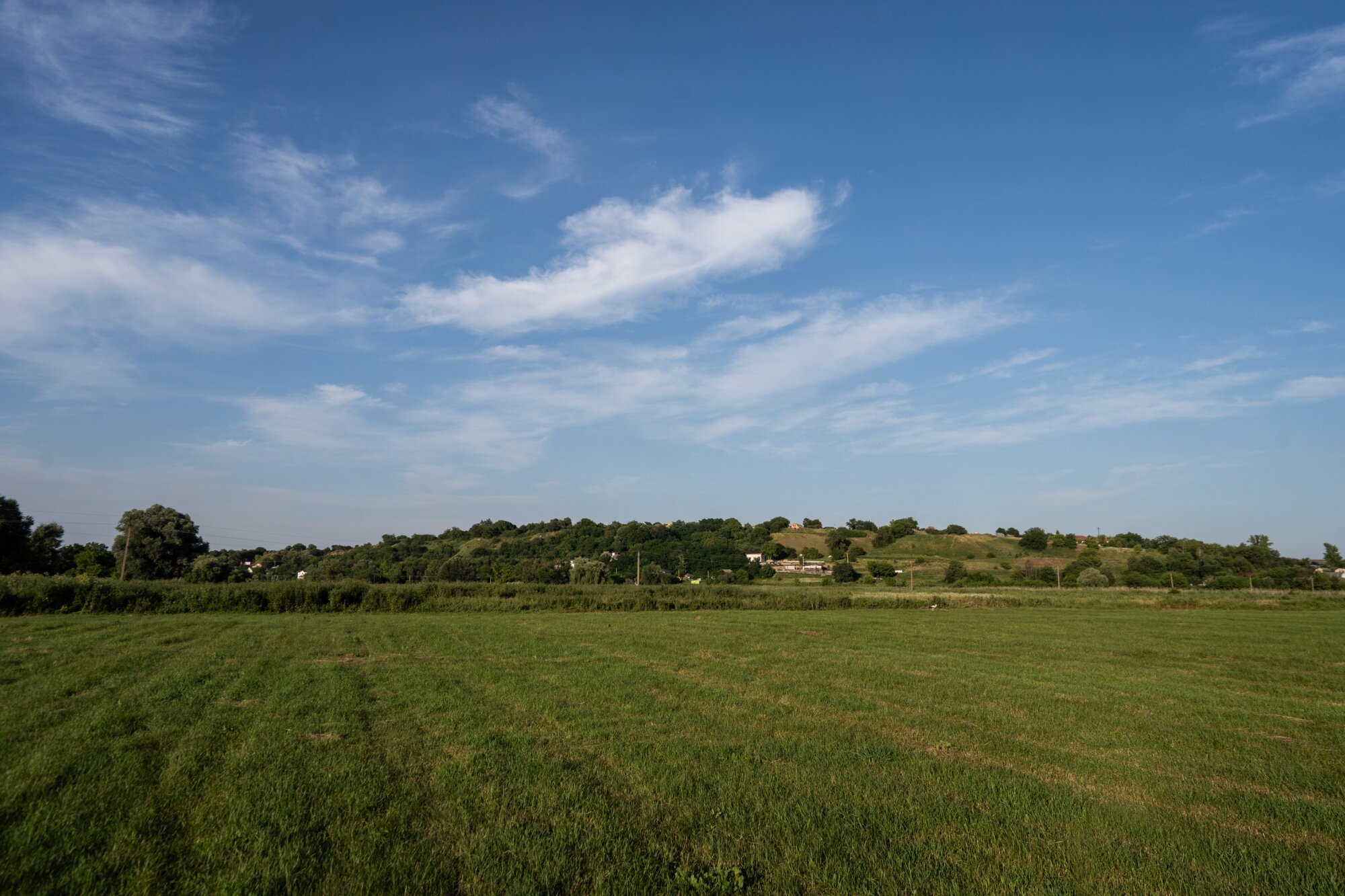
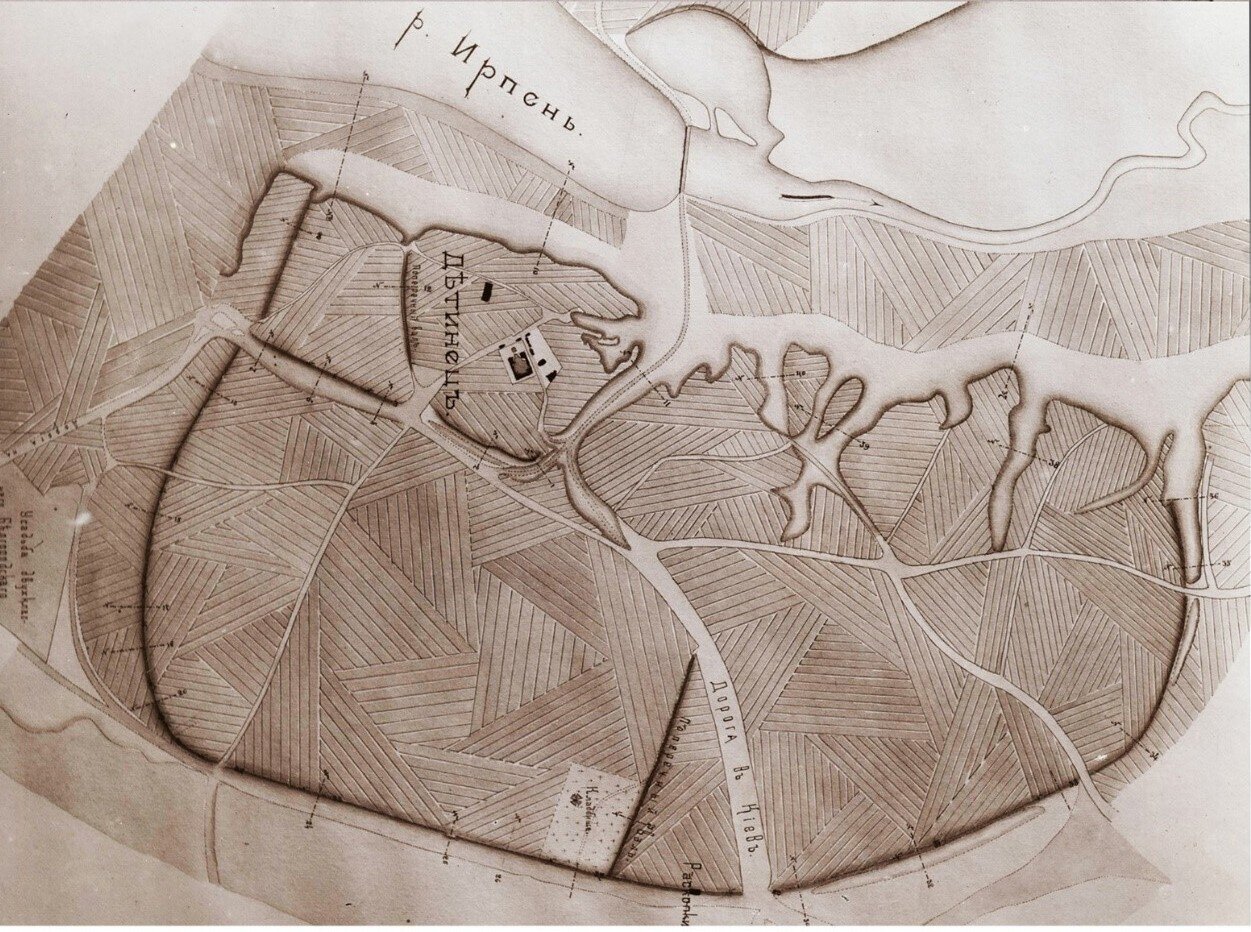
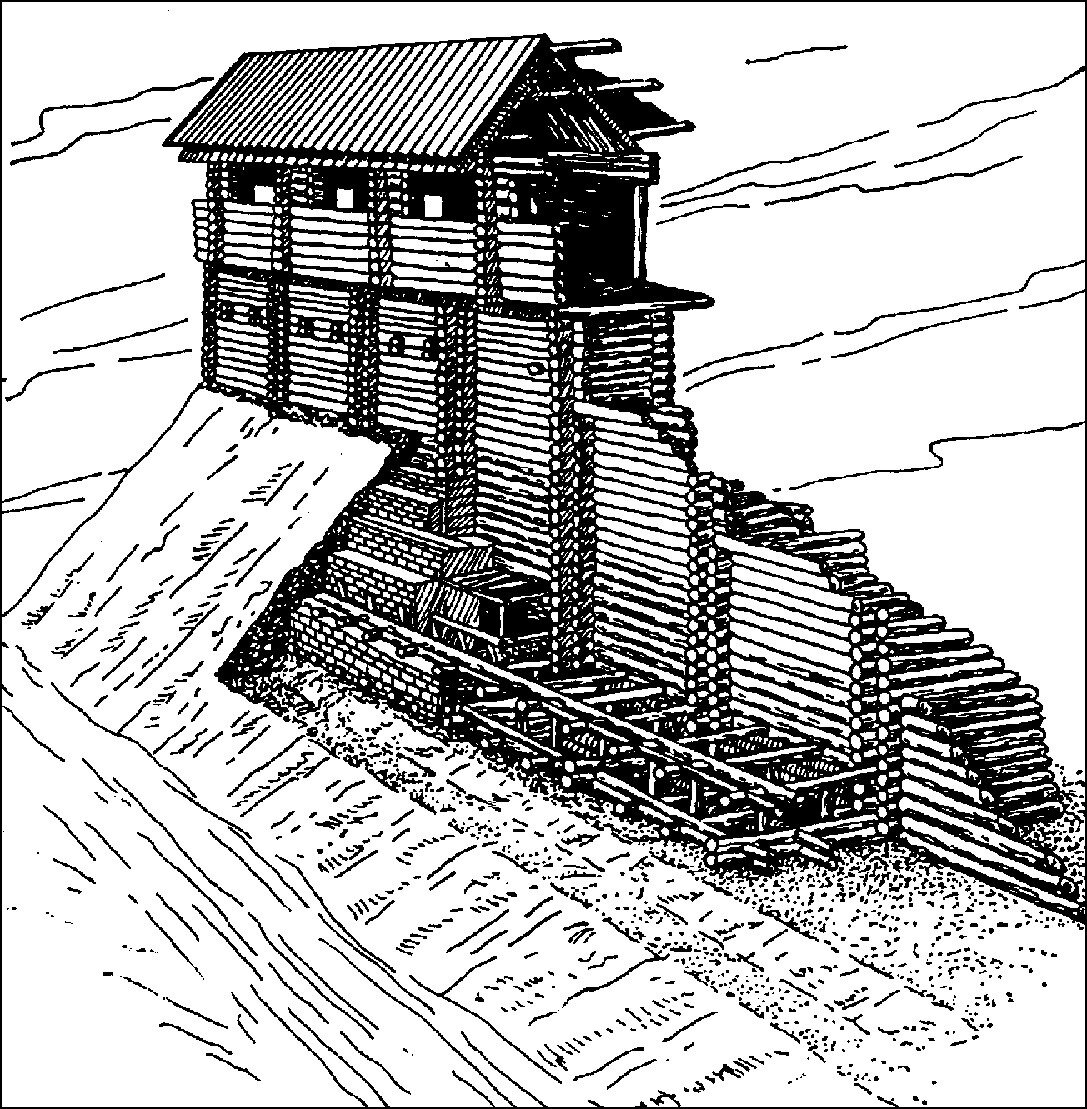
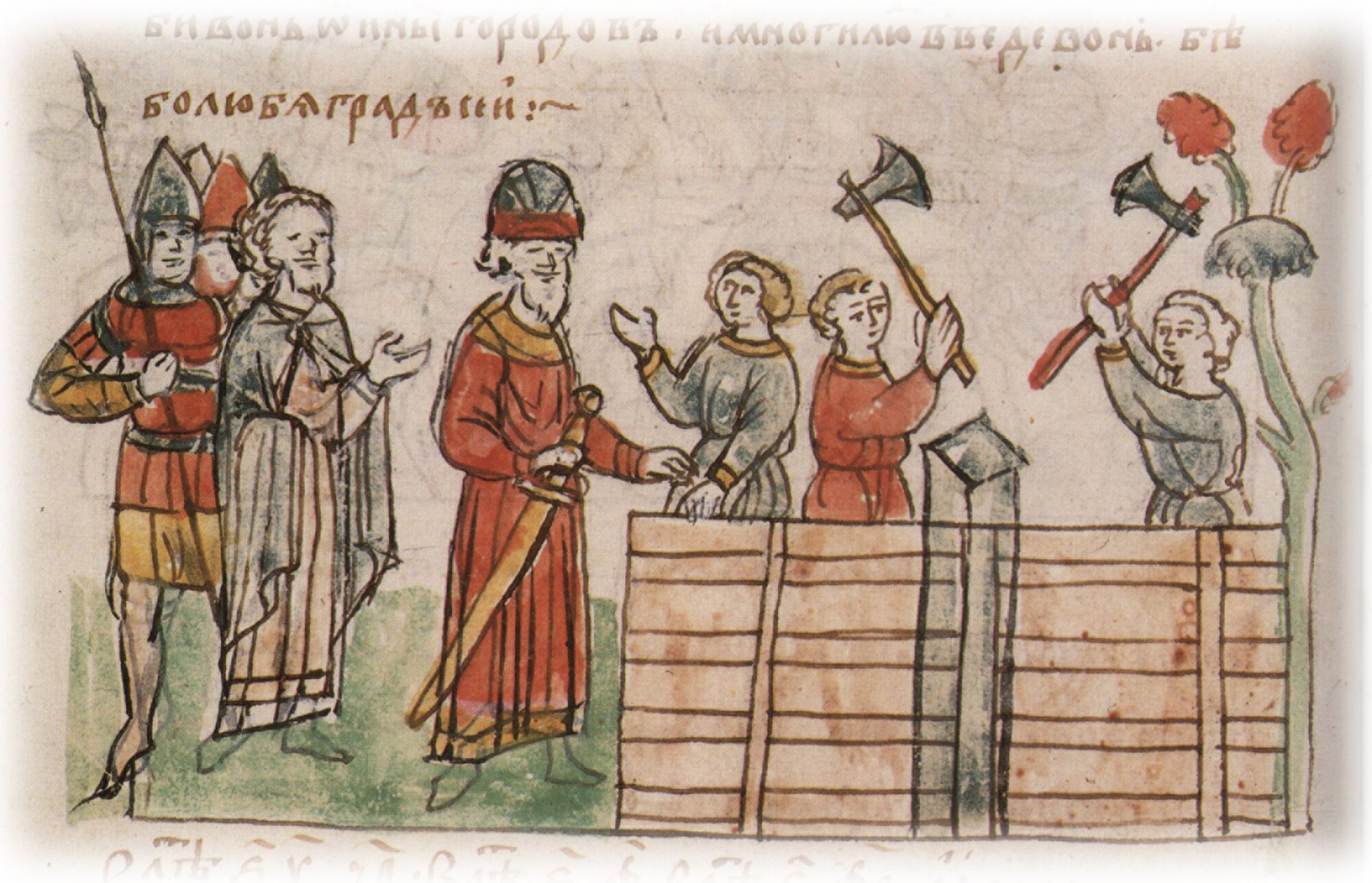
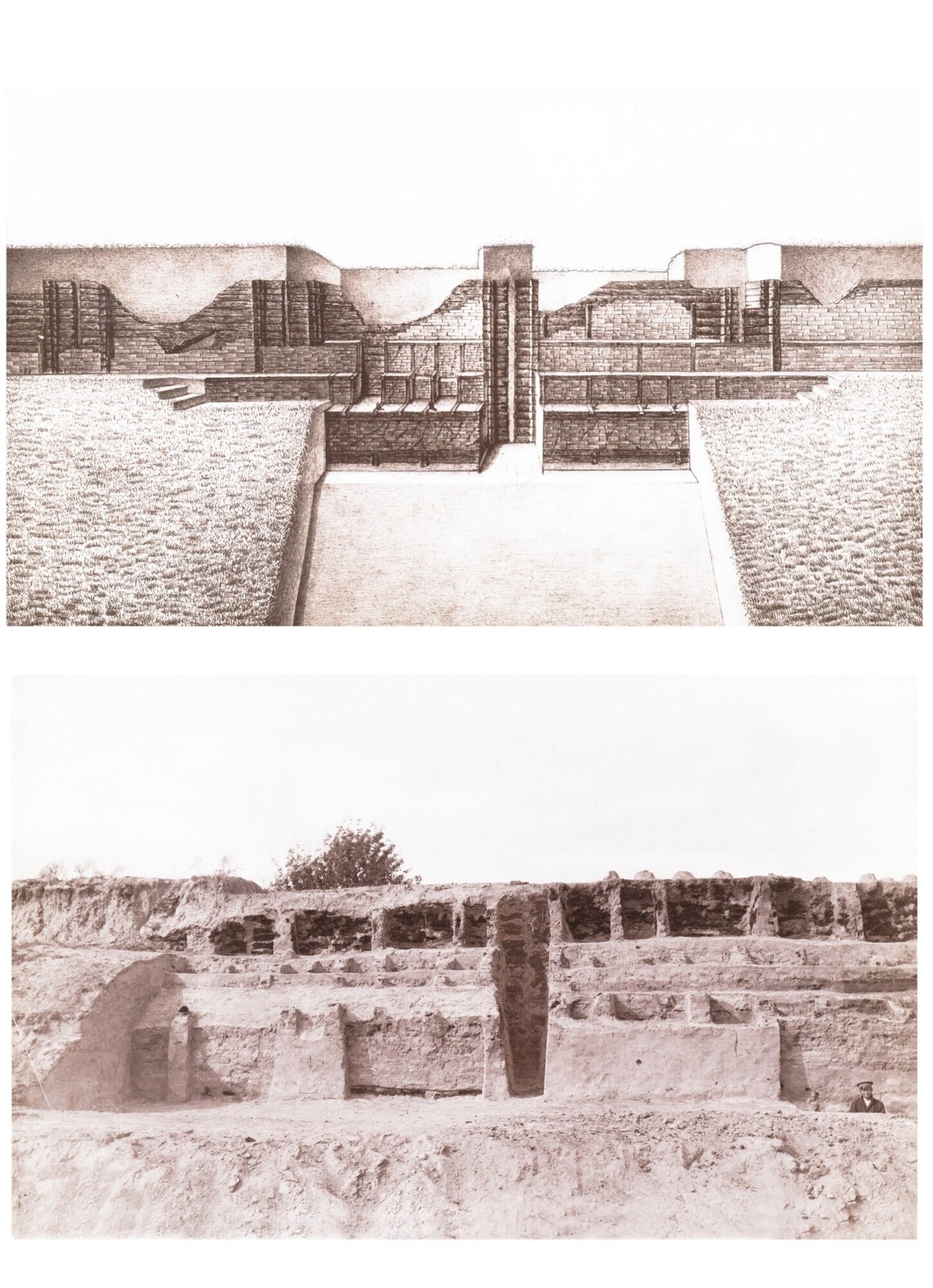
The remains of ancient Bilhorod are well preserved. In the territory of the present-day village there are deep moats and defensive ramparts 10 – 12 metres high and about three kilometres long. They had a rather complex construction of wooden log structures faced with adobe brick. The walls surrounded the city, which covered an area of over 120 ha. Bilhorod was one of the largest cities of Kyivan Rus.
In the 11th-12th centuries Bilhorod was a significant craft and trade centre. It stood on the trade route that went from Kyiv to Volodymyr-Volynskyi, Halych, Przemyśl and further to Central Europe. In the territory of the ancient city, bone-carving, blacksmith and other craft workshops have been excavated. There was powerful pottery production here, as evidenced by numerous finds of pottery kilns. Glazed tiles made by Bilhorod craftsmen had complex ornamentation.
Bilhorod played a significant role in the political, economic and cultural life of Kyivan Rus. After the adoption of Christianity, Bishop Mykyta was appointed in the city. He was a vicar of the metropolitan, who was in Pereiaslav. Thus Volodymyr Sviatoslavych had a hierarch at his court. Princes who claimed the Kyiv throne tried to seize Bilhorod. At the beginning of the 12th century Volodymyr Monomakh installed his elder son Mstyslav in Bilhorod with the intention of later making him grand prince. Claiming the Kyiv throne, in 1151 Prince Yurii Dolhorukyi sought to seize the city.
Under the walls of Bilhorod battles took place more than once, connected both with nomad raids and with the internecine struggle of princes. One of the episodes of the long struggle with the Pechenegs is reflected in the legend of the “Bilhorod Kysil”, recorded in the chronicle under 997. It tells how the Pechenegs, taking advantage of the absence of Volodymyr Sviatoslavych, besieged Bilhorod. Famine began in the city. On the advice of an ingenious townsman, the residents dug two wells, lowered a barrel of kysil into one of them and a barrel of honey into the other, and treated the invited Pecheneg envoys with them. Believing that the earth itself feeds the people of Bilhorod, the Pechenegs lifted the siege.
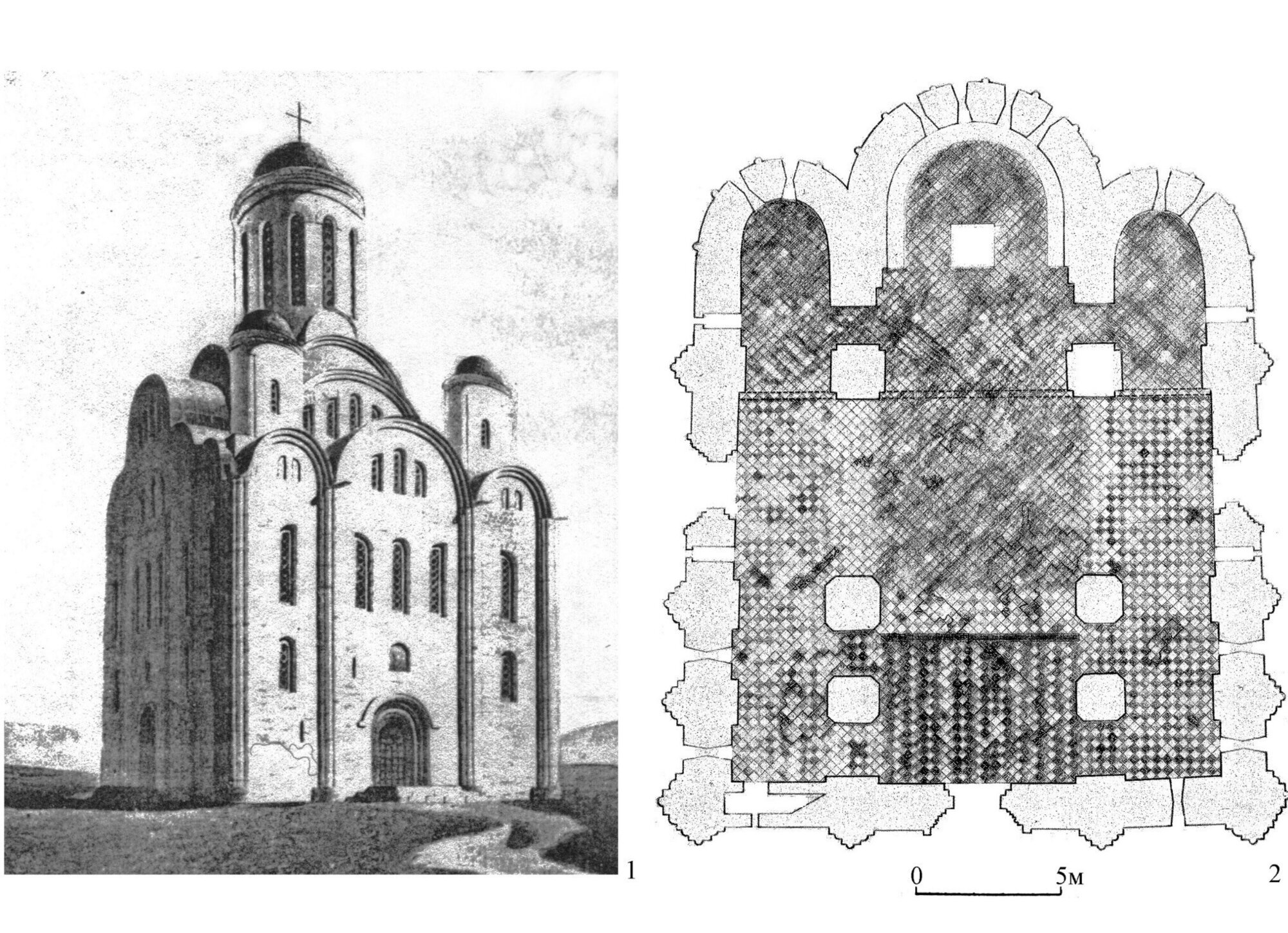
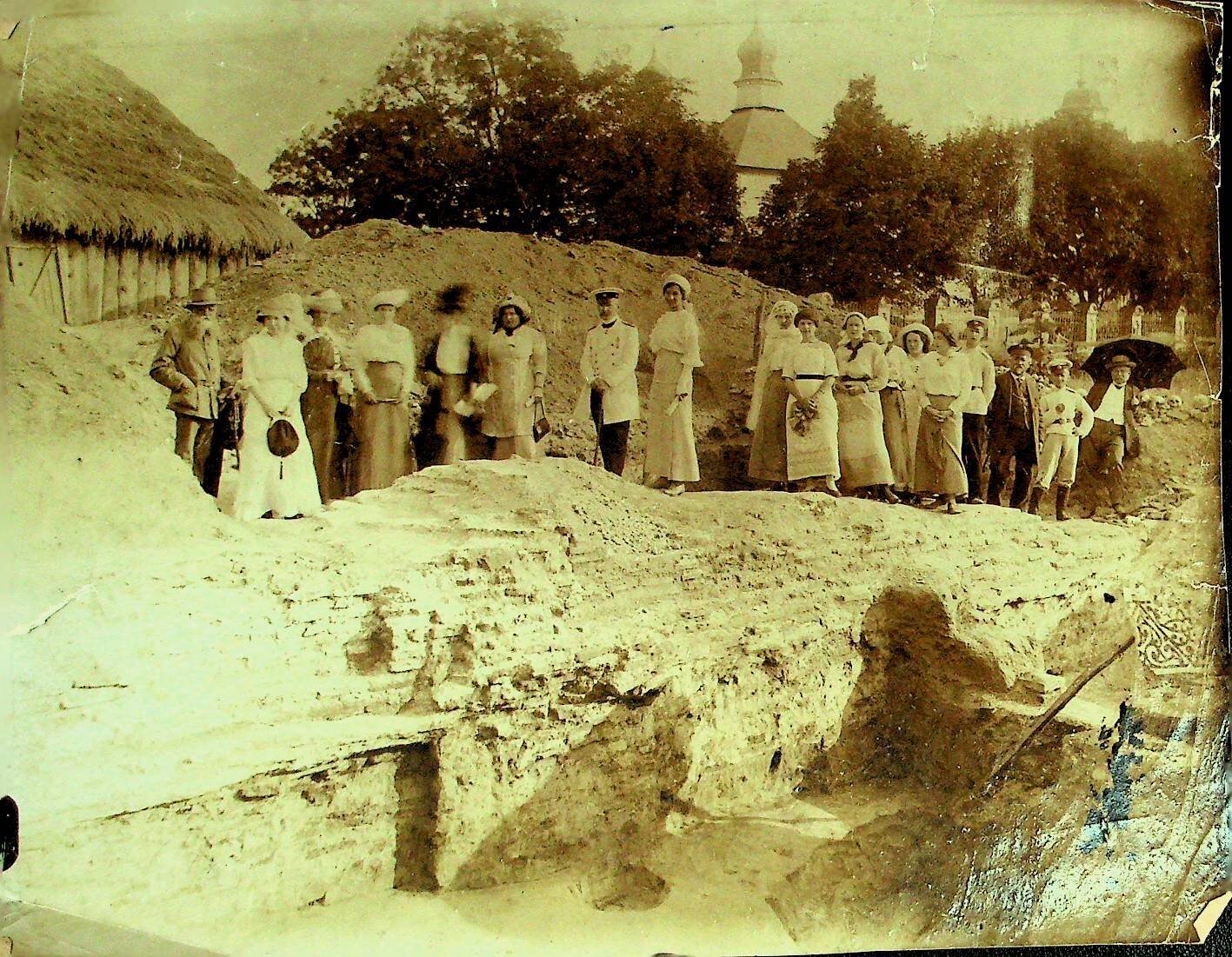
Bilhorod was a significant cultural centre of Kyivan Rus. This is evidenced by chronicle mentions of wooden churches and the remains of two stone churches, in particular the Church of the Twelve Apostles, built in 1197. The floor of the church was covered with multicoloured glazed tiles, the walls with fresco painting, and the domes with lead sheets.
The dwellings of the 10th-13th centuries and archaeological artefacts discovered here testify to the urban character of the buildings and the prosperity of the residents.
The large flourishing city was completely destroyed during the Mongol-Tatar invasion in 1240. After some time it revived. In the 1360s Bilhorod fell under the rule of feudal Lithuania. This happened as a result of Gediminas’s victory over the Tatar-Mongols in the Battle of Bilhorod.