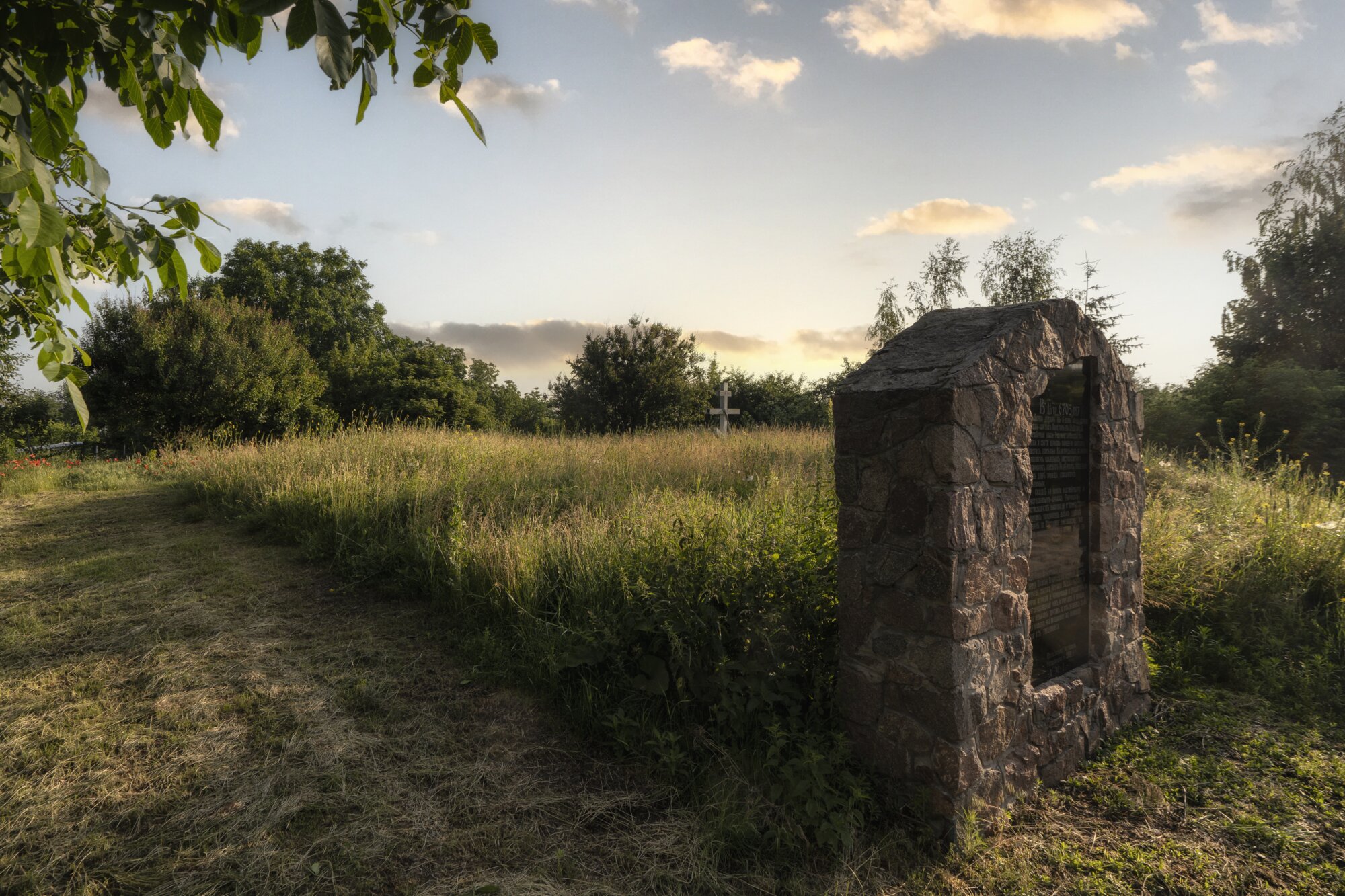
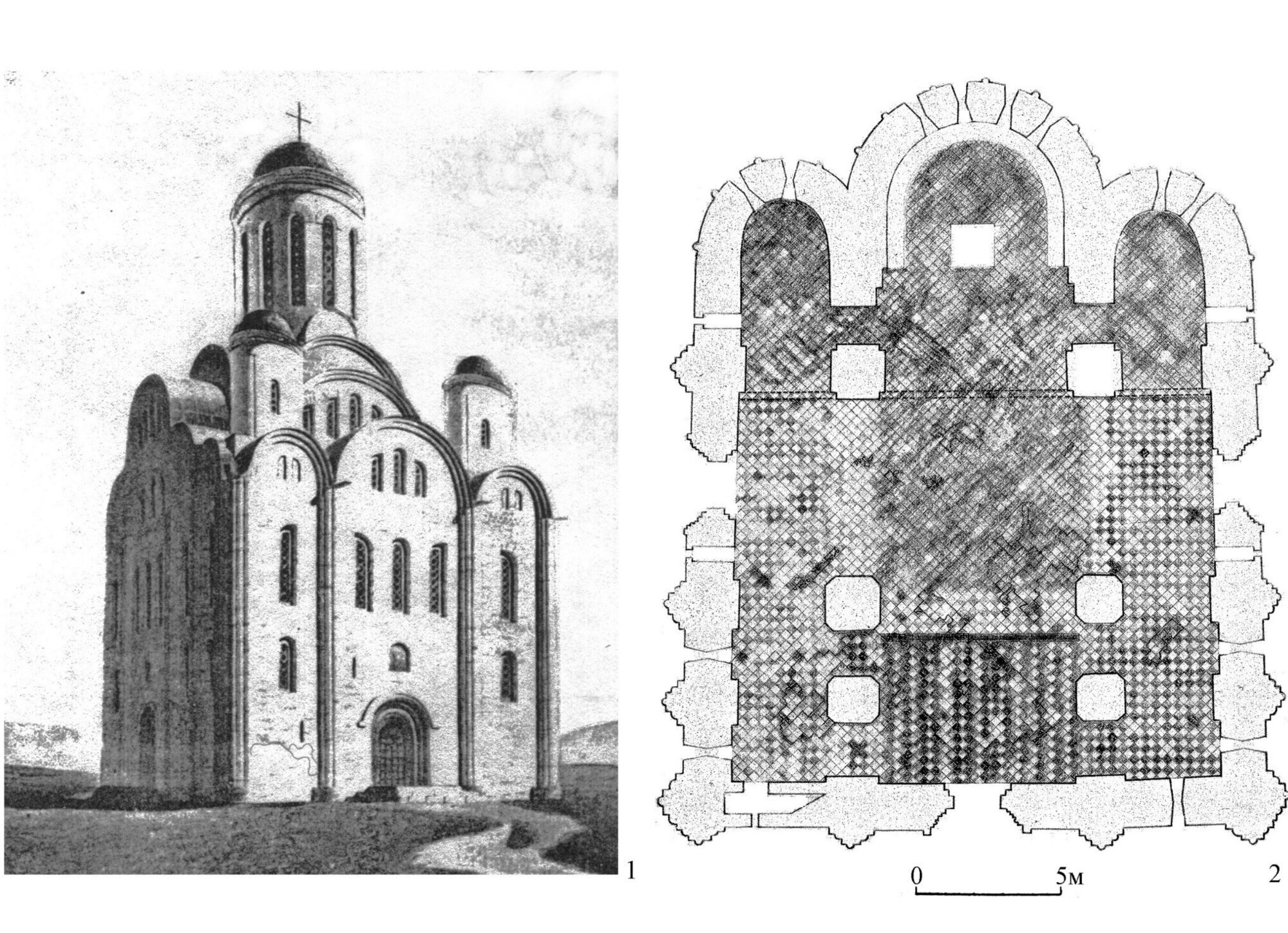
The Hypatian Chronicle, under the year 6705 (1197), states that the Kyiv prince Riurik Rostyslavych built a masonry church of the Holy Apostles in the city of Bilhorod (now the village of Bilohorodka, 18 km west of Kyiv). Telling about this construction, the chronicler noted that the church “…on the sixth day of the month of December, the devout Prince Riurik completed the stone church of the Holy Apostles in Bilhorod. When he came from Kyiv, he consecrated the stone church of the Holy Apostles, the Bilhorod bishopric, with a great consecration… It was built by the devout and Christ-loving Prince Riurik Rostyslavych, and was marvellously adorned with its height and size [considerable], and with every other decoration”.
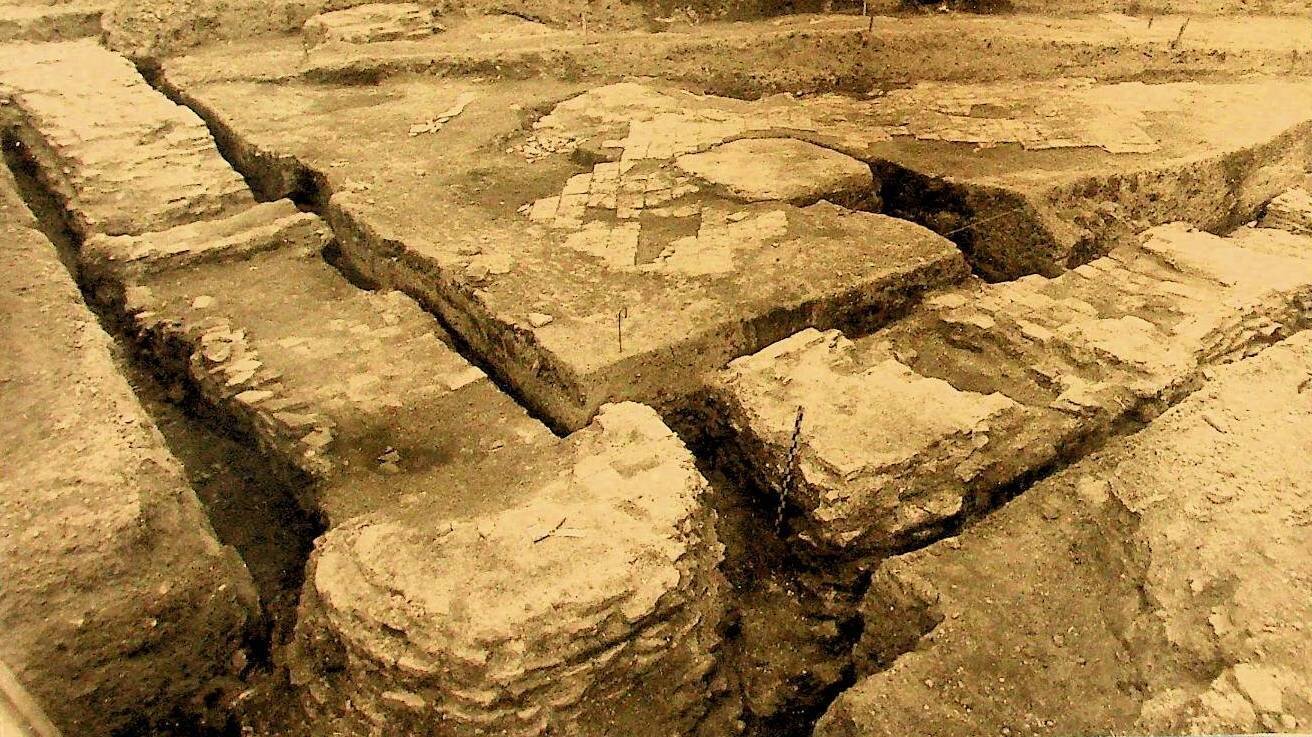
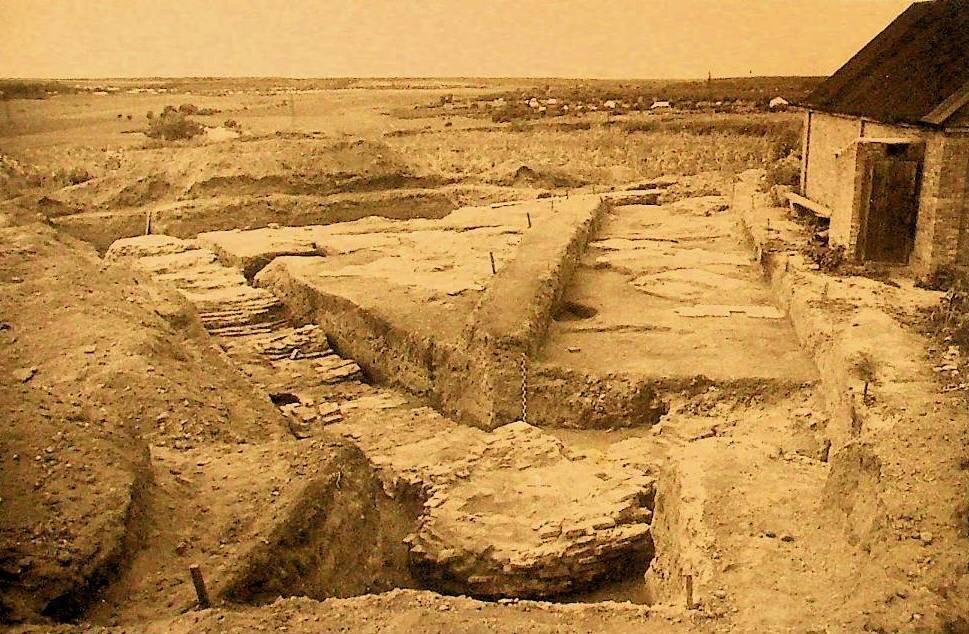
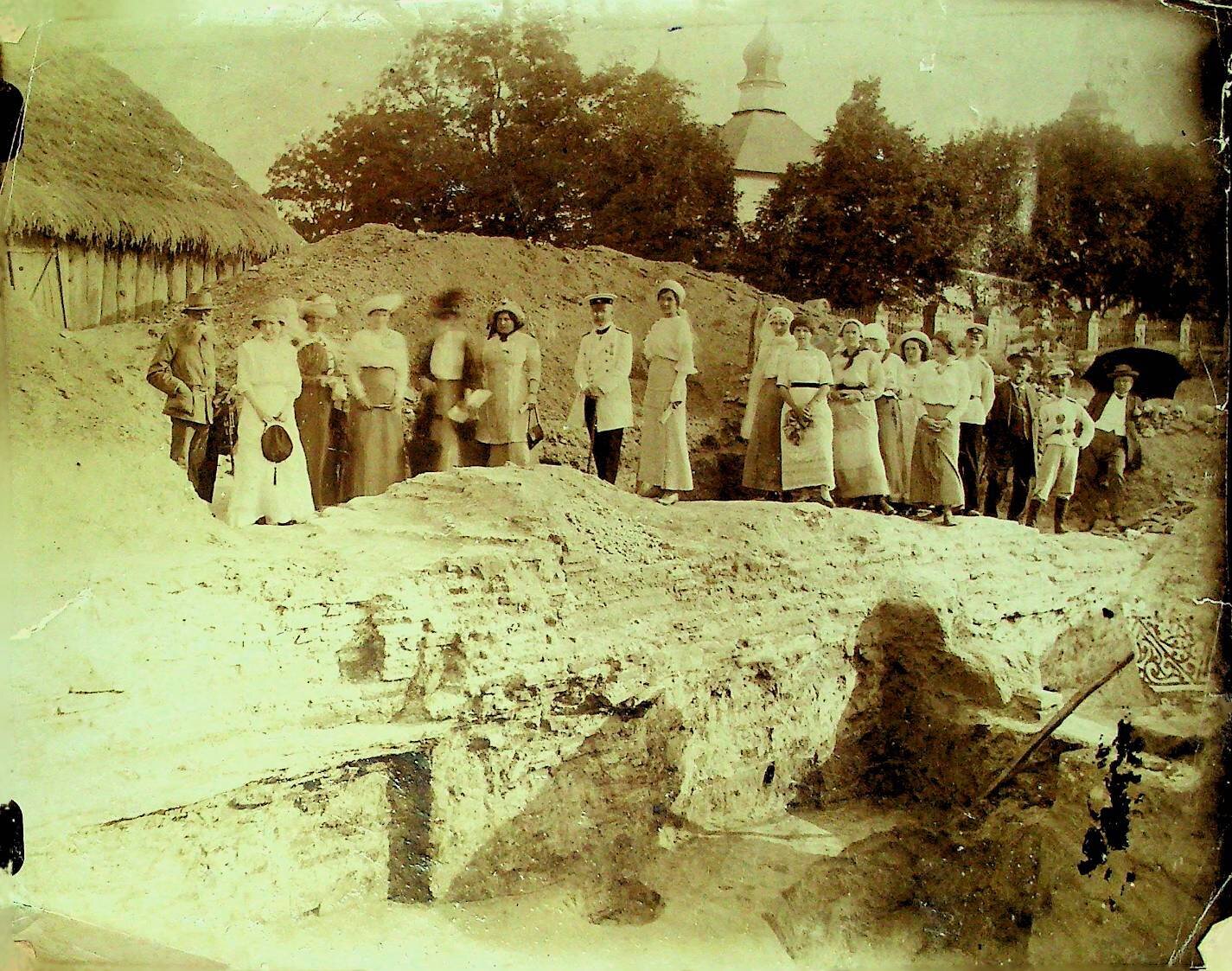
The ruins of the monument were first excavated in 1909 by V.V. Khvoika. By type, the cathedral was a six-pillar cross-domed church. The foundations under the church walls consisted of brick on clay mortar.
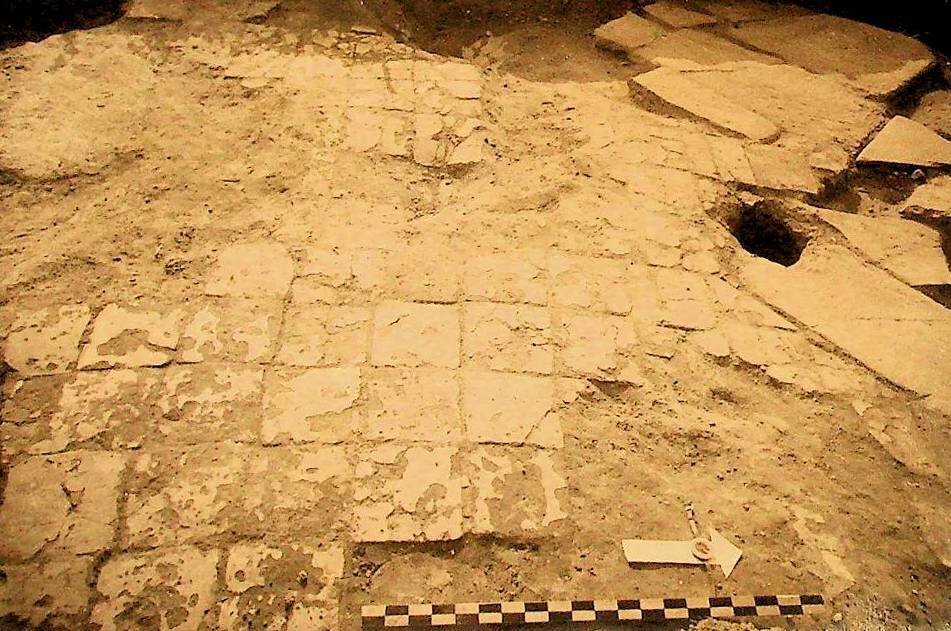
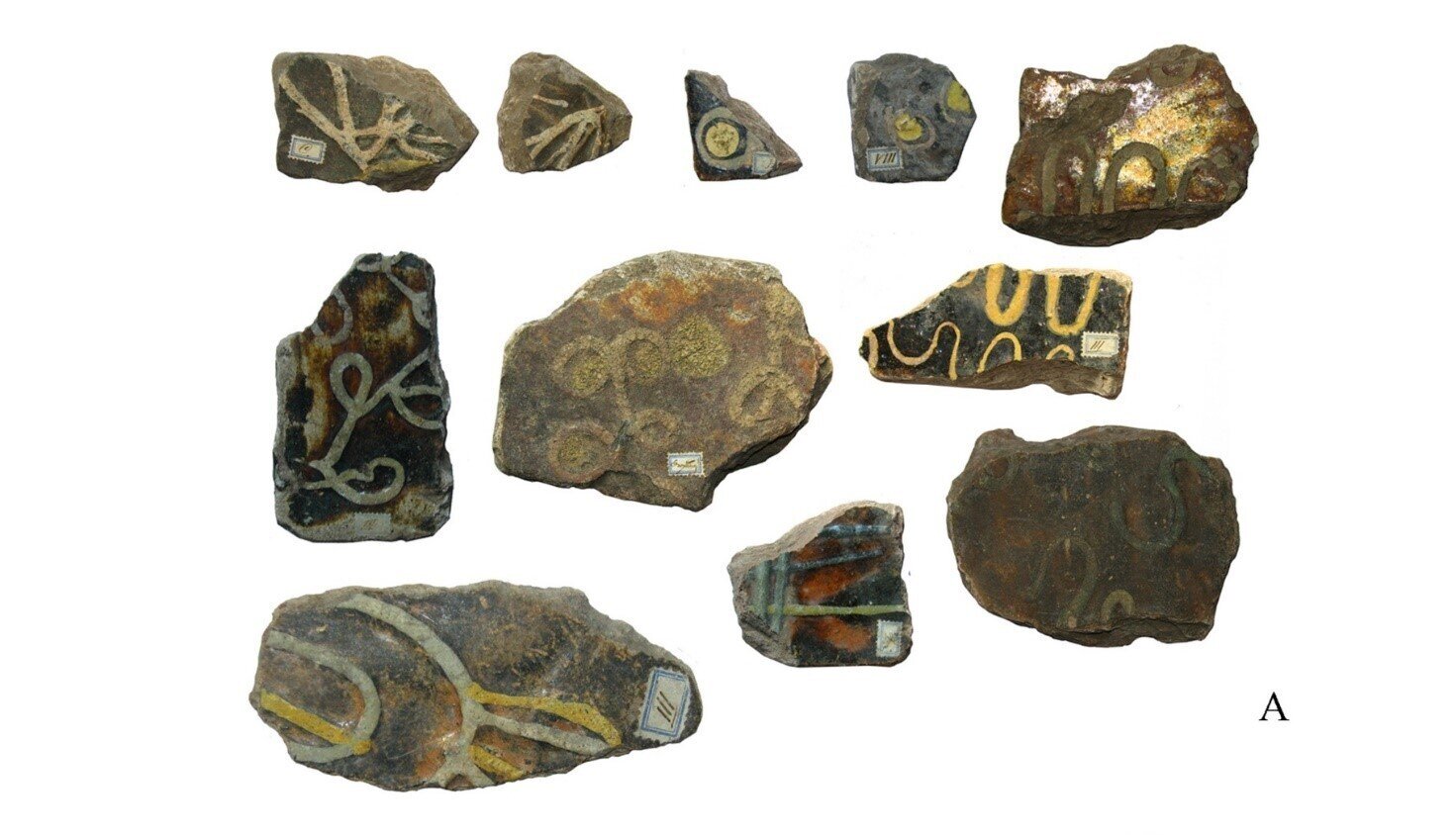
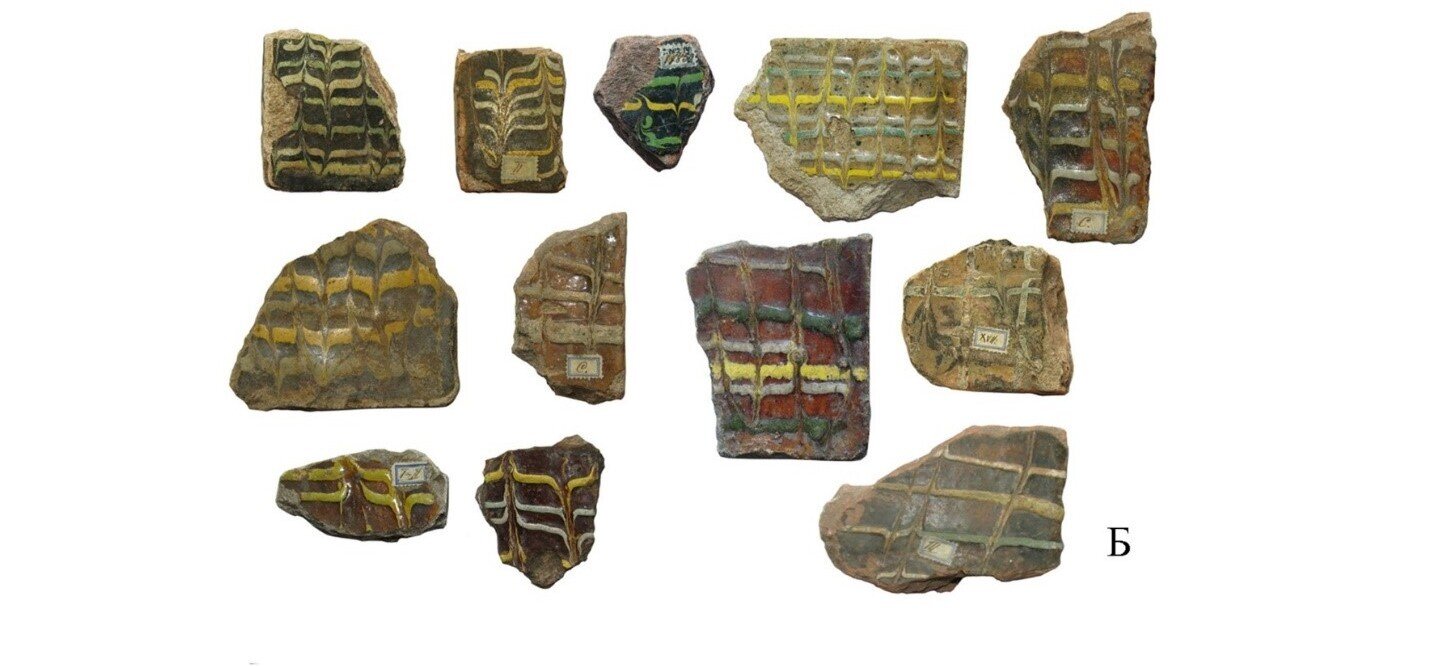
The floor of glazed ceramic tiles has survived, which covered the floor like a multicoloured carpet. The floor was laid with multicoloured tiles in a chessboard pattern. With a uniform pattern, many colour relationships were achieved, and in different parts of the building they differ depending on the lighting.
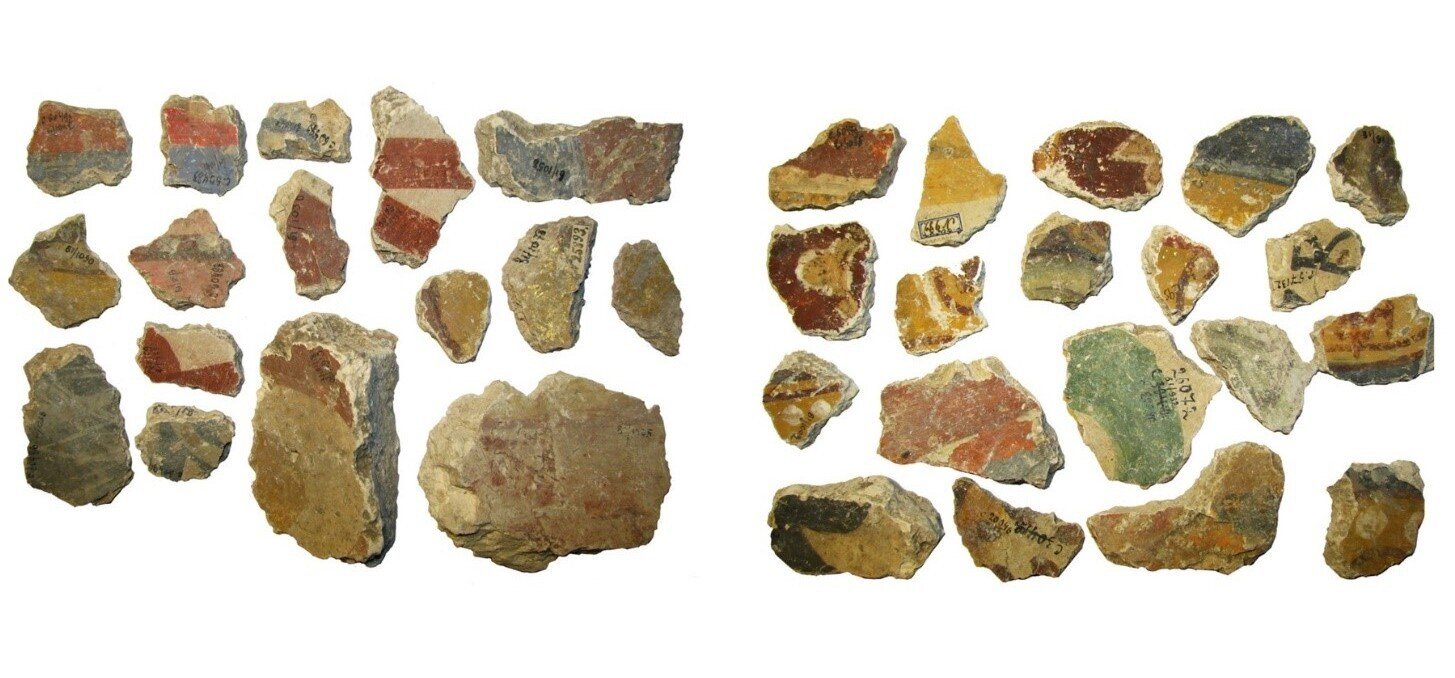
The walls of the church consisted of layers of cement-and-brick-dust mortar and plinth (Old Rus clay brick). Inside the church the walls were decorated with fresco painting (painting with paints on wet plaster). It was an outstanding example of Old Rus art. The frescoes in the apses, and perhaps in the central part of the church, had a gold background. It is interesting to note that gilding on frescoes was also present in another building of Riurik Rostyslavych – the Church of St Basil in Ovruch. This is probably one of the features of monumental painting of those times. At one time it was believed that the gold background of the Bilhorod frescoes resembles the gold background of the St Sophia mosaics.
During the archaeological work, more than 70 fresco fragments with graffiti images were also discovered. For the most part these are fragments of words, sentences, individual letters or various images, which unfortunately can hardly be identified, but remain a telling testimony to the literacy of the population of ancient Bilhorod.
Under the foundation of the church, the remains of a burnt building were discovered, supposedly, according to scholars, a wooden church. It was large, hardly inferior in size to the one above it. Probably this very church is the subject of the chronicle mention of 1187 (10 years before the construction of the masonry church), which speaks of the wedding of Verkhuslava, daughter of Grand Prince Vsevolod Yuriiovych of Vladimir, “Big Nest”, with Rostyslav, son of Riurik Rostyslavych: “… and she was wedded in the wooden church of the Holy Apostles…”.
The church represents the beginning of a new architectural style at the end of the 12th century. According to researchers, the Church of the Apostles existed for a short time. In particular, traces of deformation in the upper parts of the foundations have been recorded, apparently from the settling of the structure, which caused its destruction.