The Old Rus city of Bilhorod was a mighty outpost on the way to Kyiv. Under its walls, battles that decided the fate of the capital of the Kyivan state took place more than once. In the 10th century the most dangerous were the raids of the Pechenegs, hordes of nomadic tribes of Turkic origin who came from the east and settled in the Black Sea steppes.
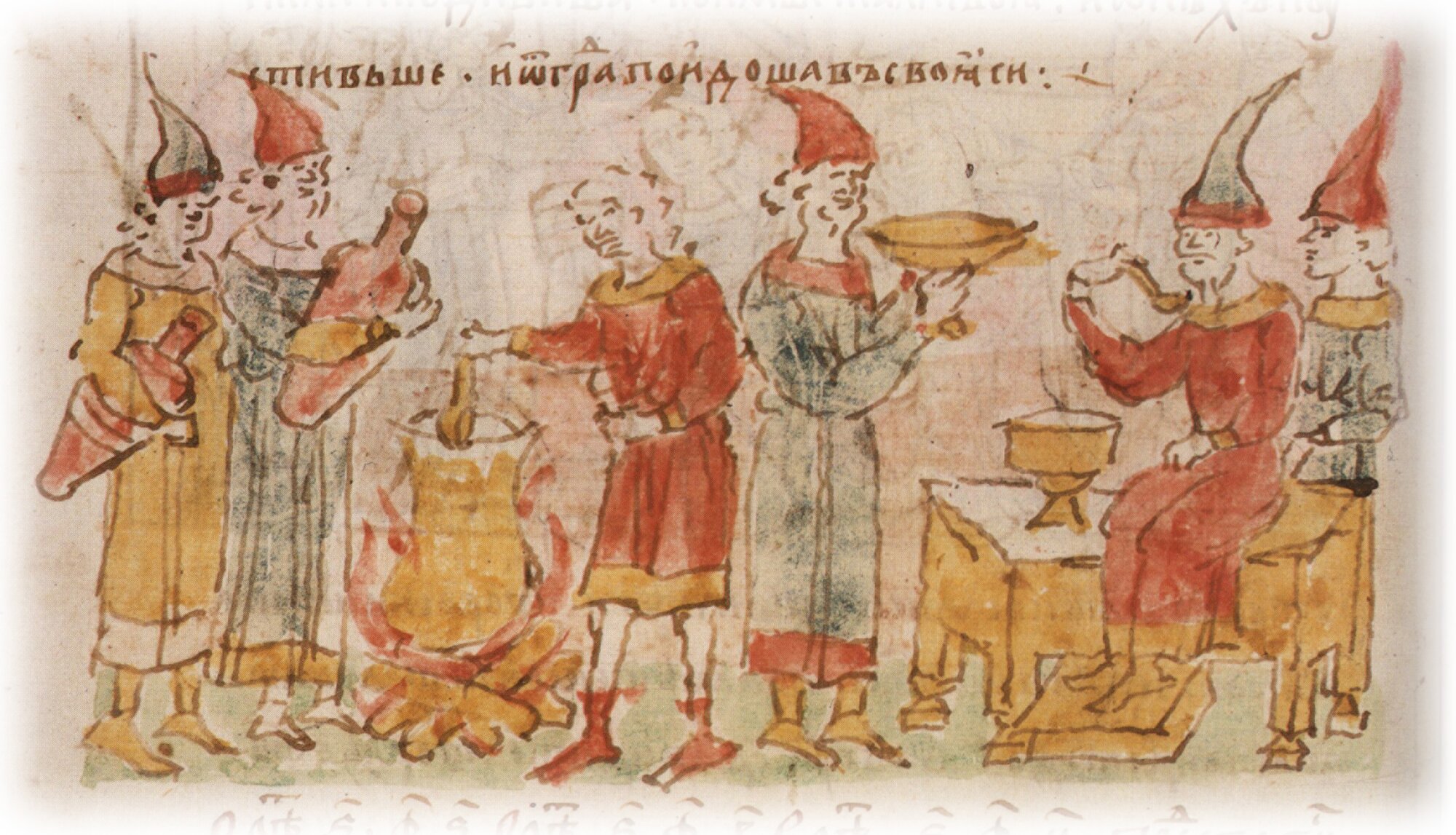
One of the episodes of the long struggle with the Pechenegs is reflected in the legend of the “Bilhorod Kysil”, recorded in the chronicle under the year 997. It tells how the Pechenegs, taking advantage of the absence of Volodymyr Sviatoslavych with his army, besieged Bilhorod:
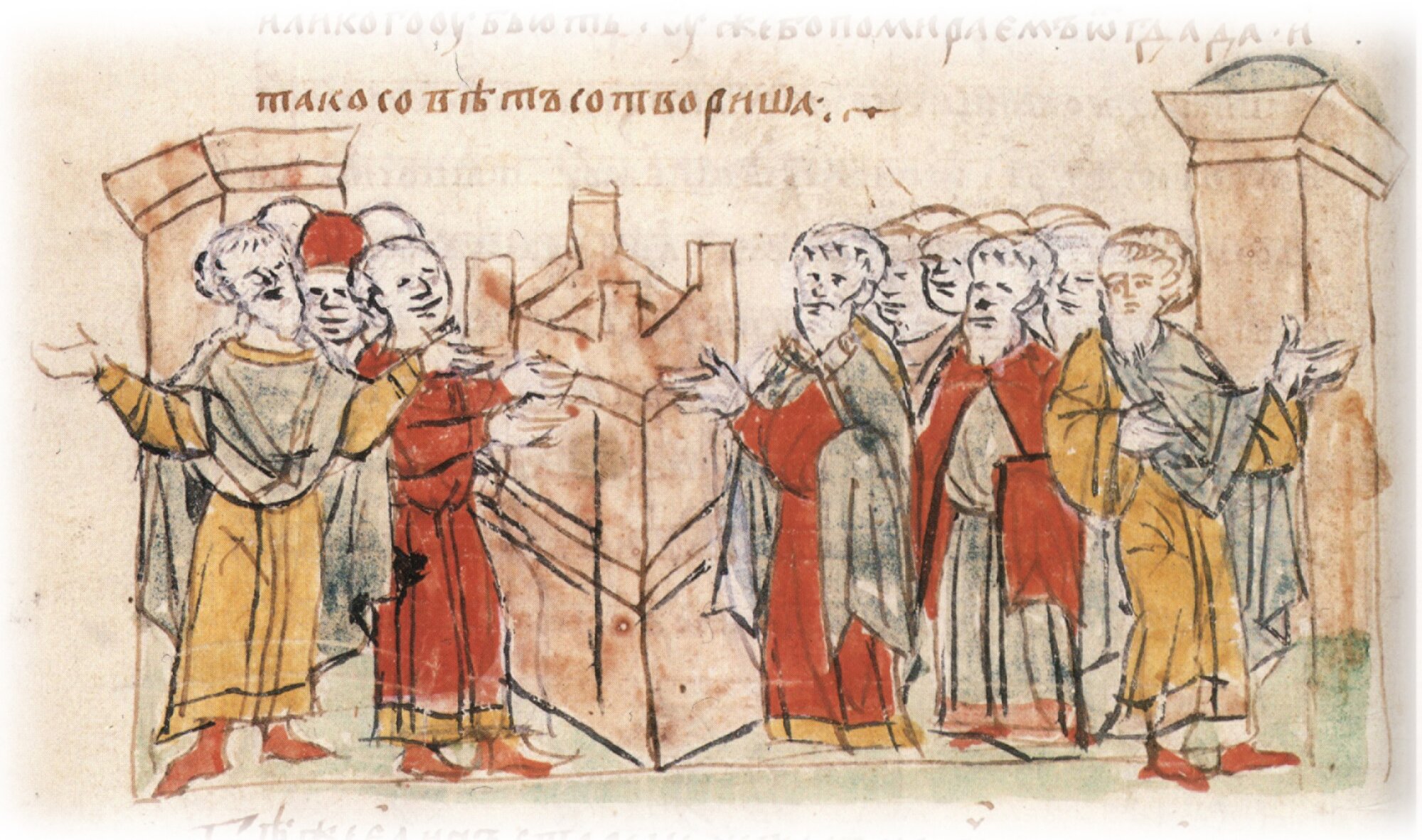
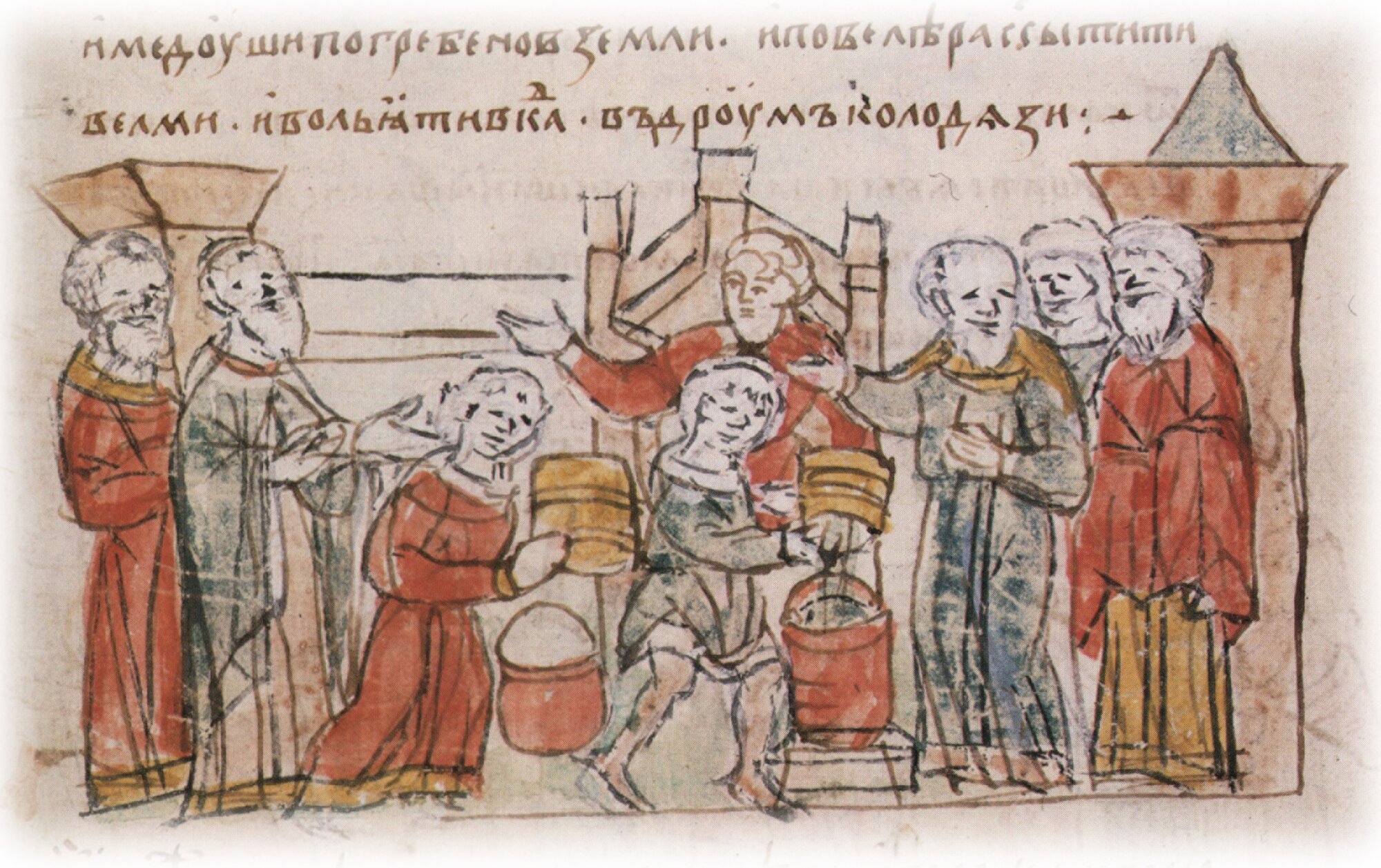
“And there was one old man who had not been at that assembly, and he asked: “Why did the people hold an assembly?” And they told him that tomorrow the people want to surrender to the Pechenegs. Hearing this, he sent for the city elders and said to them: “I have heard that you want to surrender to the Pechenegs?” And they said: “The people cannot endure the hunger”. And he said to them: “Listen to me. Do not surrender for another three days, and do whatever I tell you”. And they were glad and promised to obey. And then he ordered them to make a bovtanka, from which kysil is cooked, and told them to dig a well and place a vat in it, pouring the bovtanka into the vat. And he ordered them to dig a second well and place a second vat in it, and told them to search for and pour honey into it. And the next day he ordered them to send for the Pechenegs.
And they came into the city, and the people said to them: “Why are you destroying yourselves, when you cannot outlast us? Stand even ten years, what can you do to us? For we have sustenance from the earth. If you do not believe it, look with your own eyes”.
And they led them to the well where the bovtanka was, and drew it with a bucket, [and] poured it into pots, and cooked it before them. And when they had cooked the kysil before them, they took them and led [them] to the second well and drew the sweet drink. And [the townspeople] began to eat, first themselves, and then the Pechenegs. And they were amazed.
They, having returned, told everything that had happened. And they cooked the kysil, and the Pecheneg princes ate it, and were amazed. And, taking back their hostages and releasing the others, they lifted the siege of the city and went home”.
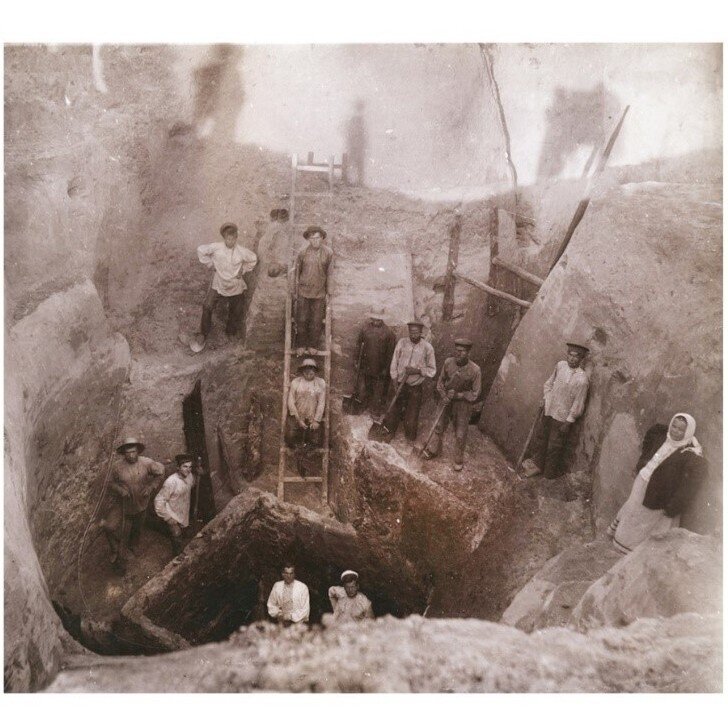
As a result of archaeological research led by the outstanding Ukrainian archaeologist Vikentii Khvoika, an Old Rus well with an oak log frame was found. The well, 15 metres deep, had a diameter of 9 metres, but starting from a depth of 8 metres, a square-shaped log frame (3.1x3.1 m) firmly assembled from thick oak beams was built into the centre of the well and went deep into the ground. The well was filled with charred parts of logs and boards that had previously been the upper parts of its structure.
It is not known for certain where the chronicle wells are located or whether they existed at all. Perhaps one of them was excavated by Vikentii Khvoika. But there is a wonderful legend that shows the courage and cunning of our ancestors, who found unconventional solutions to defend their land.
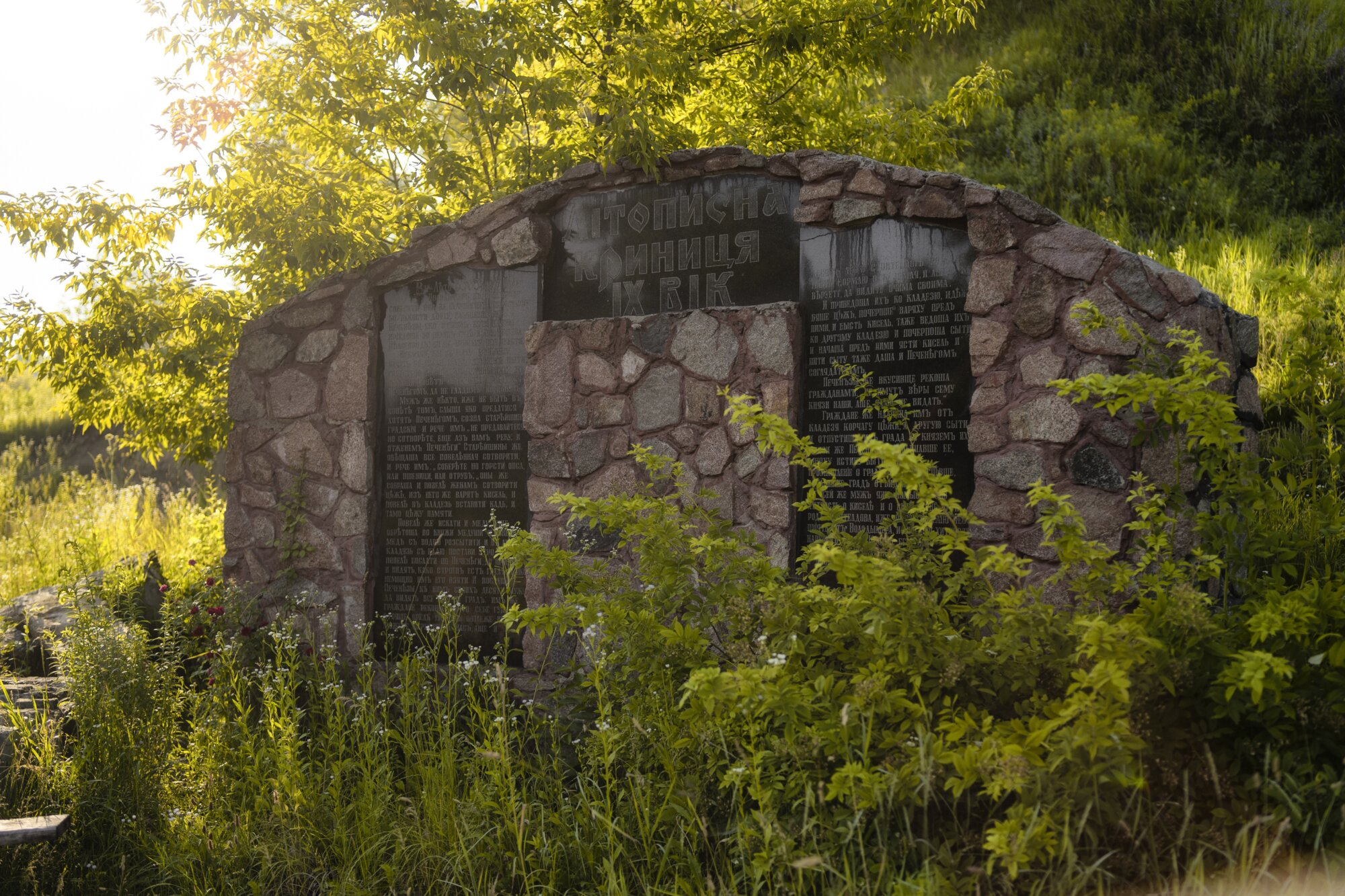
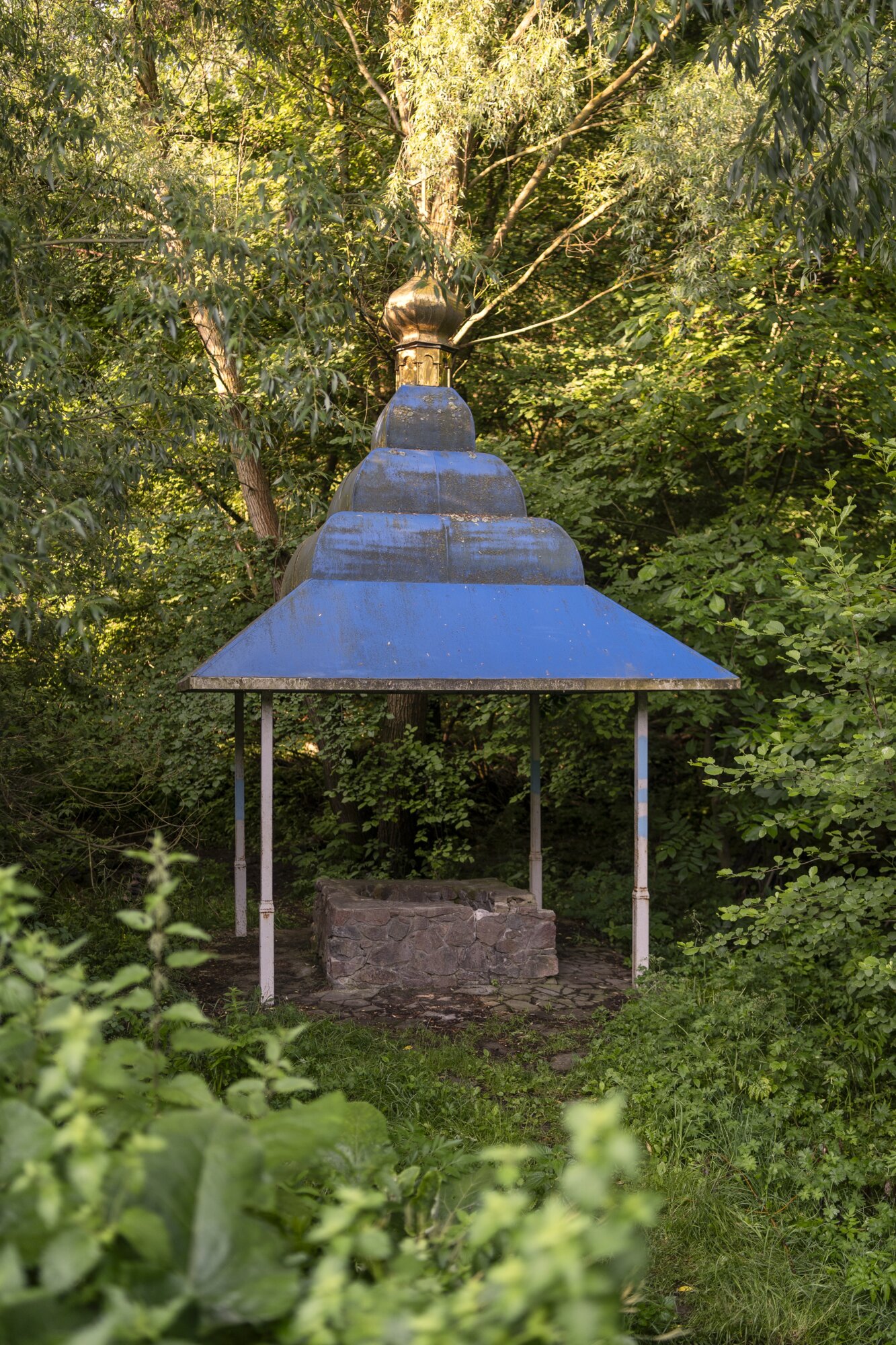
The memorial sign and the “Chronicle Well” were opened in 2001.