Kochur Hill is a historical and landscape site where the medieval settlement “Kuchary”, mentioned in the chronicles, was located.
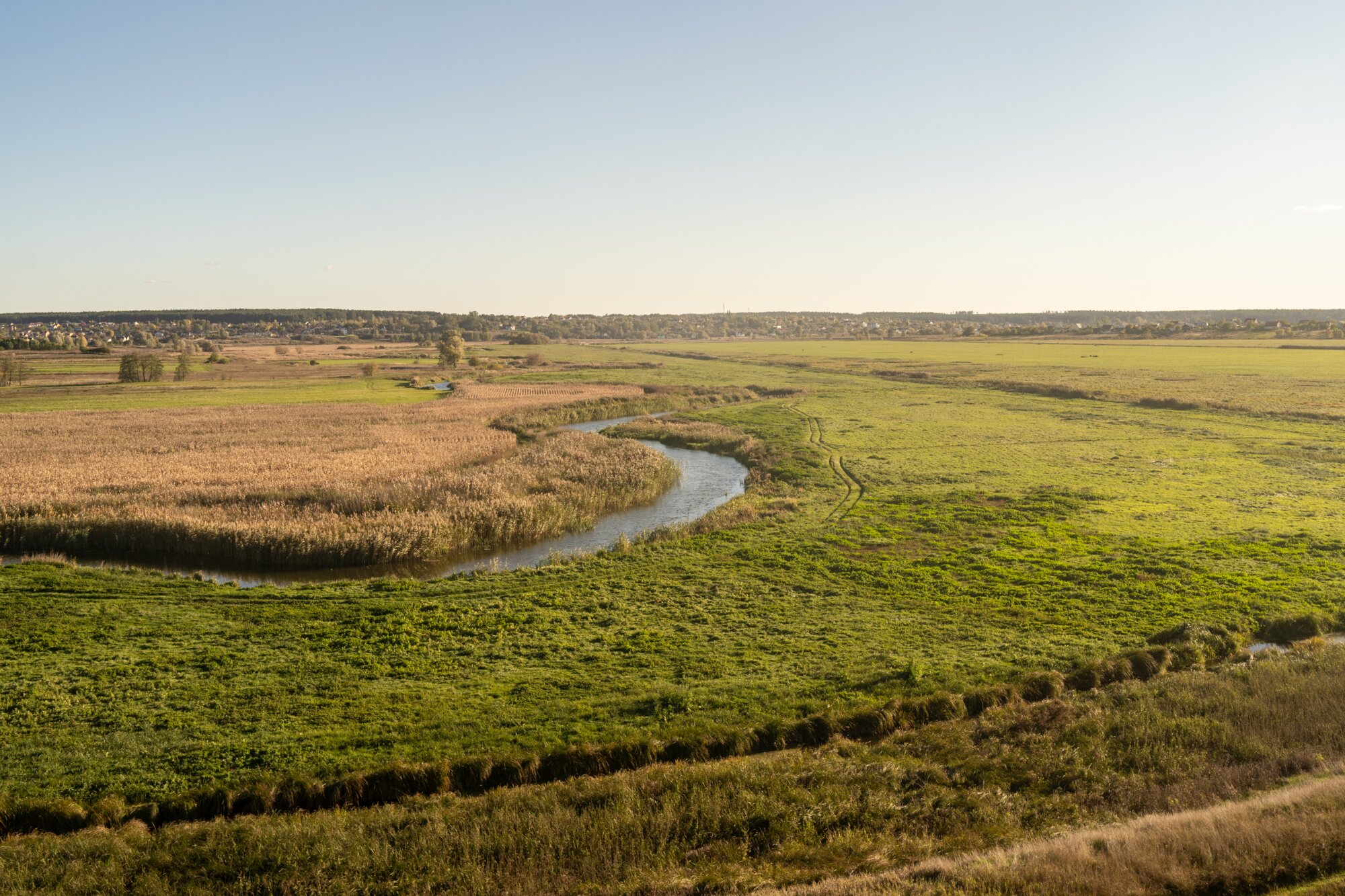
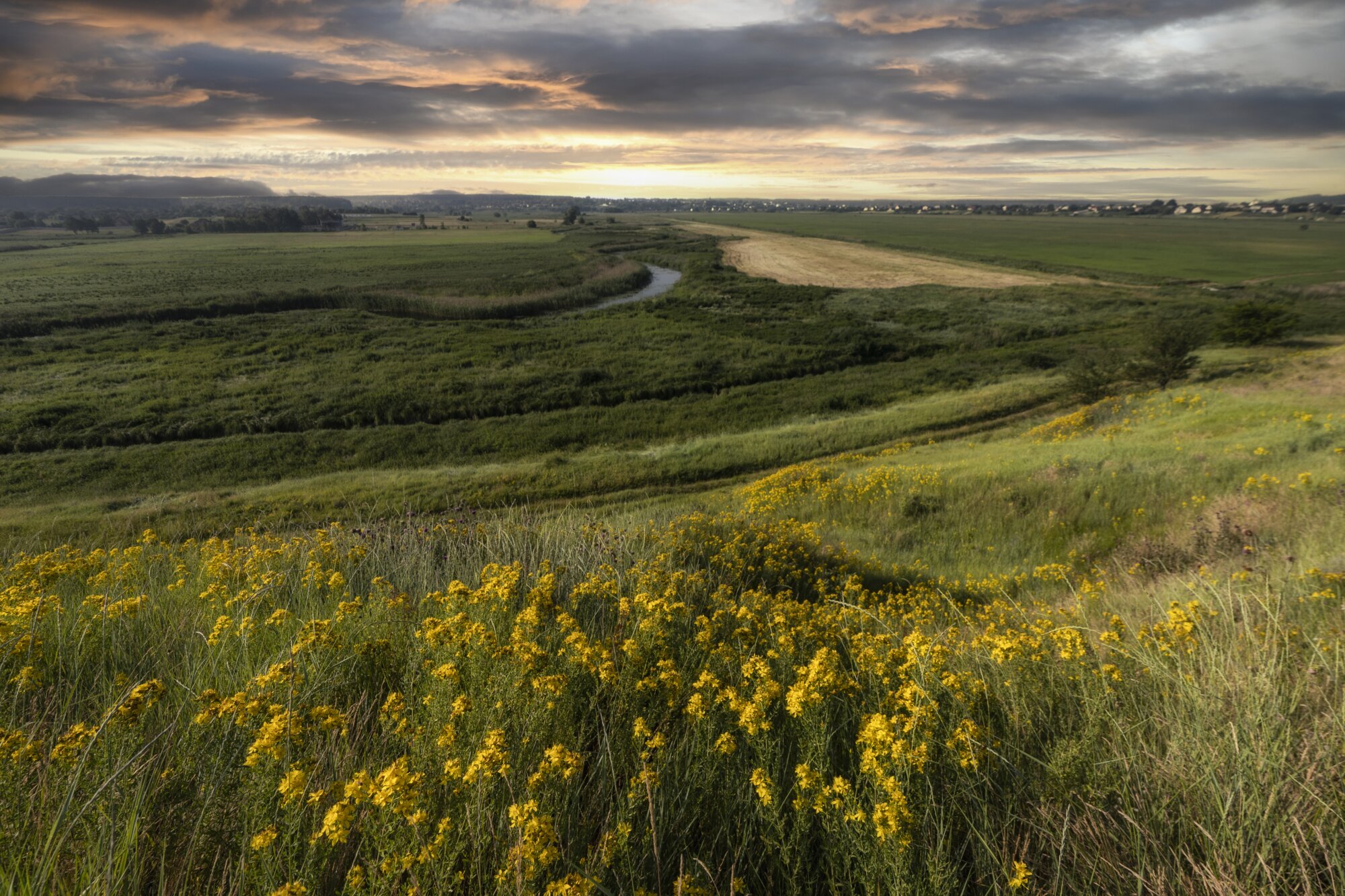
The picturesque panorama is the main modern adornment of the place. This valley is very popular among locals and guests.
A local belief says that in ancient times there was a pagan shrine here, a place of sacrifices to pagan gods. According to legend, the inhabitants of the entire area regarded the god Chur as their protector and guardian of domestic well-being, and set him against all evil and misfortune. From this came the saying “Chur tobi, Pek” (Pek was the god of bloody clashes and hell). They moulded a statue of the god Chur from clay, in whose belly a fire burned, and smoke and sparks flew out through holes in the head, which served as a landmark for travellers. People from the surrounding settlements came “to Chur” for fire for the domestic hearth or for charring oak logs. Here they exchanged goods, listened to tales of adventures and true stories, and rested “vne dela” (on a day off: Sunday).
This area has repeatedly attracted the attention of scholars. To date, archaeologists know of five stages of settlement of Kochur Hill.
Archaeological materials have been found on its territory from the Middle Dnipro culture (3rd – 1st millennium BC), the Zarubyntsi culture (2nd century BC – 2nd century AD), the Chernyakhiv culture (1st – 5th century), the Kyiv culture (3rd – 5th century), and the Old Rus period (10th – 11th century). The most expressive are the finds of the Zarubyntsi and Old Rus monuments.
The discovery of artefacts of the 10th – 13th centuries here is interesting. Scholars suppose that this very settlement is mentioned in the chronicle in the events of the internecine struggle for Kyiv between Iziaslav Mstyslavych and Yurii Dolhorukyi under the year 1162. “…and from there they went to Bilhorod to [the town] Mutyzhyr. And [when] they were at [the village] Kuchary…”
The Kochur River flows through the tract – a left tributary of the Irpin (Dnipro basin).
The river is formed from several nameless streams and at least 10 reservoirs. The four main channels that form the river flow from the villages Lychanka, Shpytky, Petrushky and from the fields near the village of Mriia. Pond-lakes are located on its channels: Kadan, Rybalska Strilka, Trofeine (Lychanka), Hokovar, Liubytelskyi, Chorne (Petrushky), Panske-1, Panske-2, Panske-3 (Shpytky), Koshara, Mykhailyna (Horbovychi) and others.
Every year dozens of pairs of storks nest around the valley; from this point they can be seen in the season from May to August. They like moist areas with low grassy vegetation, with groups of old spreading trees, especially if the meadows are periodically flooded and the grass is regularly mown. They feed in the valley, eating mainly small animals: earthworms, insects, frogs, mice and fish.