Yahotyn has long been known as a centre of high culture. The former Razumovsky estate, later owned by the Repnins, housed a large library (30,000 volumes), a rich archive and a picture gallery with a unique collection of Western European art. Since then Yahotyn has been a centre of cultural life. The town was visited by O. Kapnist, V. Lukashevych, Ye. Hrebinka, V. Shternberh, T. Shevchenko, M. Gogol, M. Markevych and others. Information about these events is kept in the History Museum of the Yahotyn Historical Museum (a municipal institution of Kyiv Oblast).
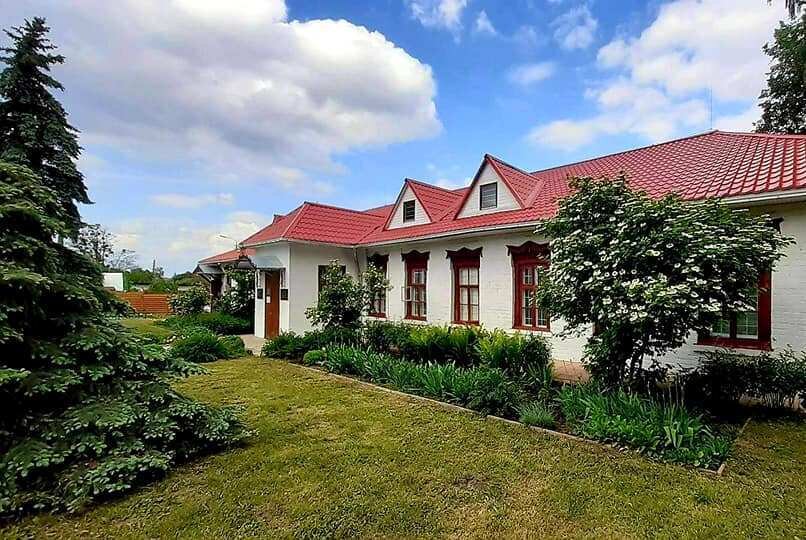
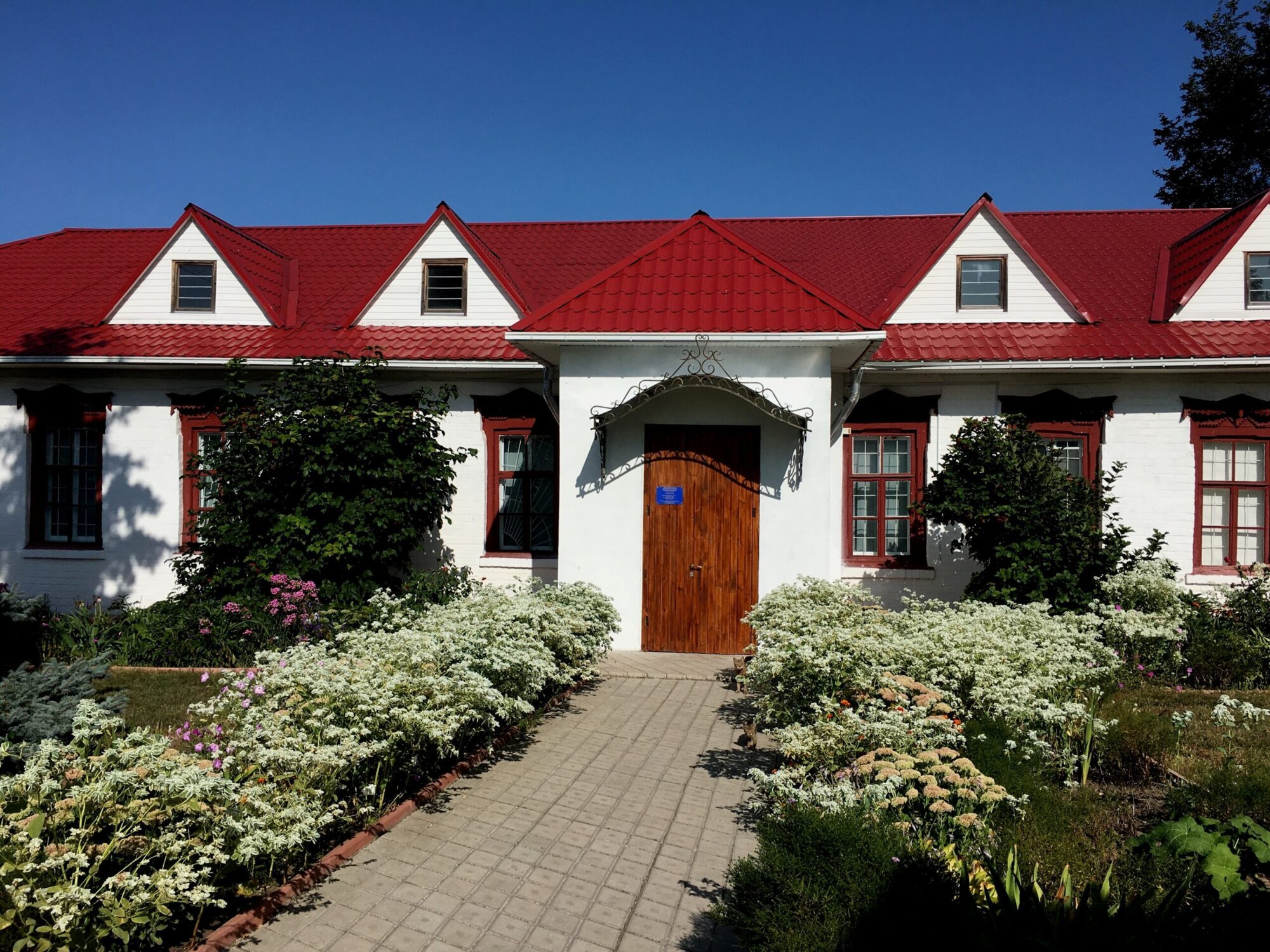
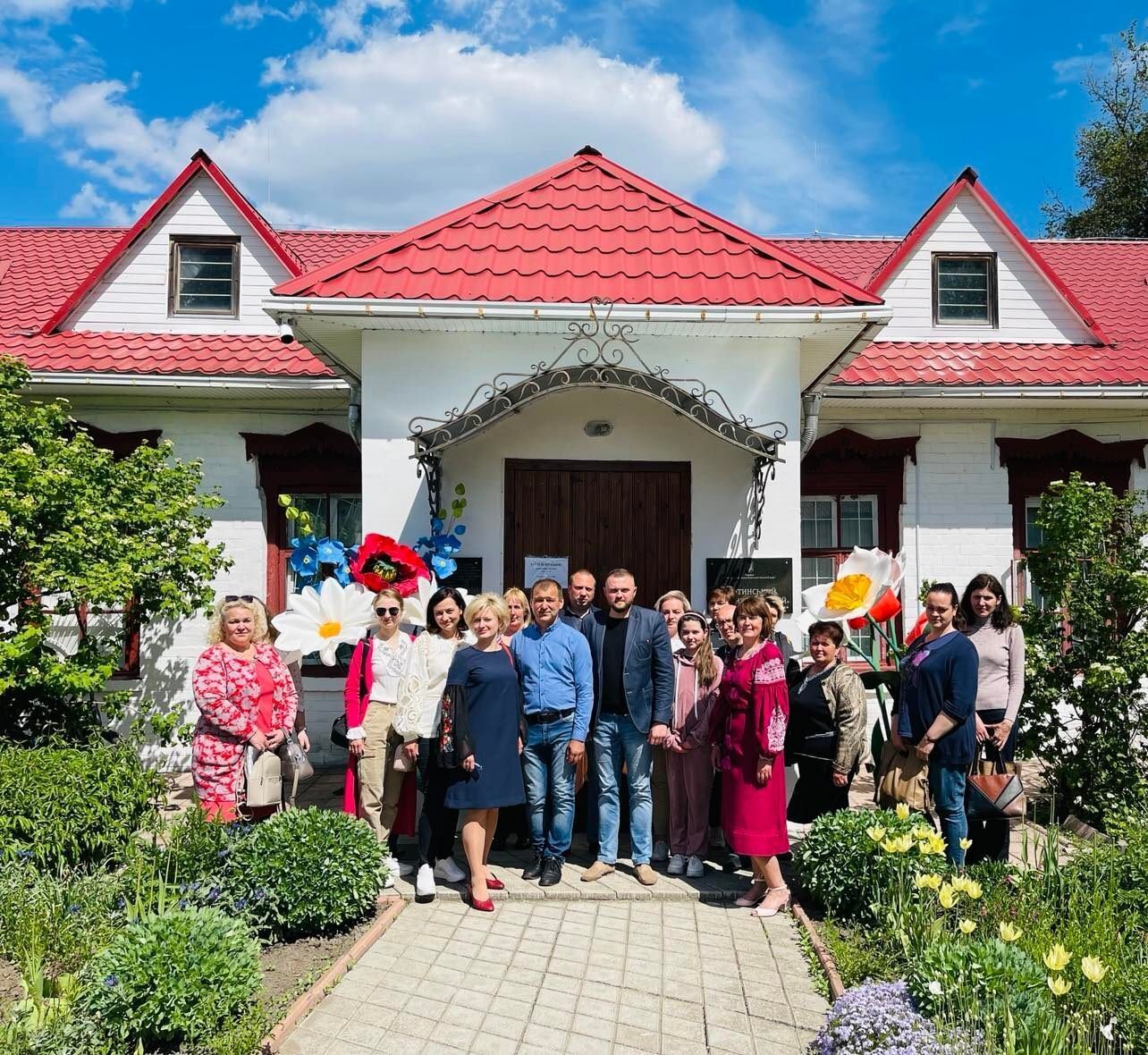
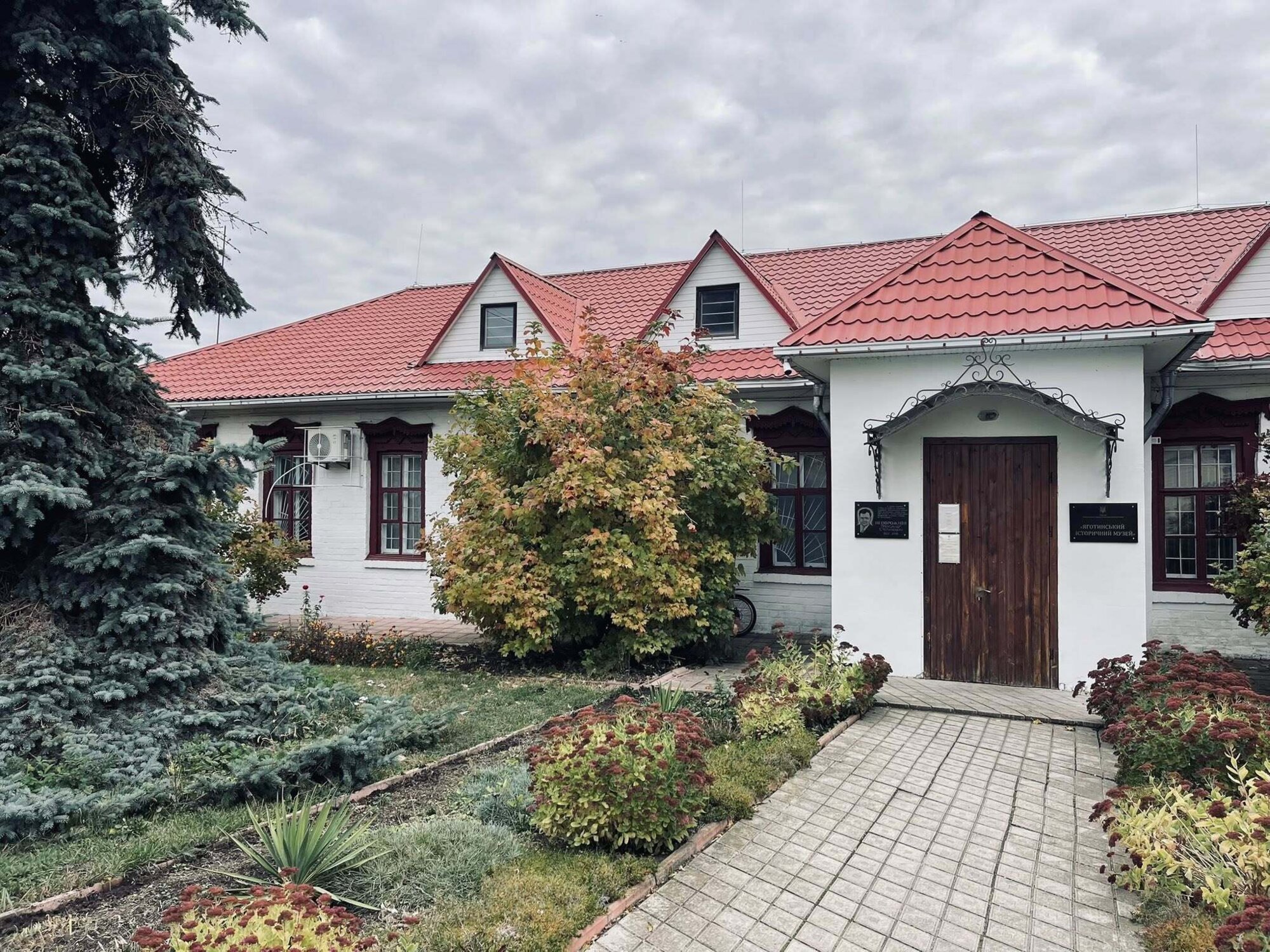
The History Museum is a neat little house with a red roof, located in the centre of the town. Its history began in the 19th century, when it was part of the industrial town of the Razumovsky-Repnin family.
On 6 November 1960 this building became the district museum of local history, in 1972 it became a branch of the Pereiaslav-Khmelnytskyi Historical Museum, and in 1987 it received state status. Since 2007 the History Museum has been the Yahotyn Historical Museum, a municipal institution of Kyiv Oblast.
The History Museum introduces visitors to the history of the Yahotyn area, presented in 14 halls arranged chronologically, which display monuments of material and spiritual culture from the earliest times to the present day.
The Palaeolithic collection in the first hall is of scientific interest. It consists of mammoth bones and stone tools discovered during excavations carried out in 1952 in the village of Dobranichivka under the direction of Doctor of Historical Sciences and archaeologist I.H. Shovkoplias.
The museum’s archaeology is also represented by finds from the Copper-Bronze Age (3rd to 1st millennium BC).
A significant part of the museum’s collection consists of exhibits related to the history of the town’s origin and the settlement of the free Yahotyn steppe, its former owners and the origin of its name.
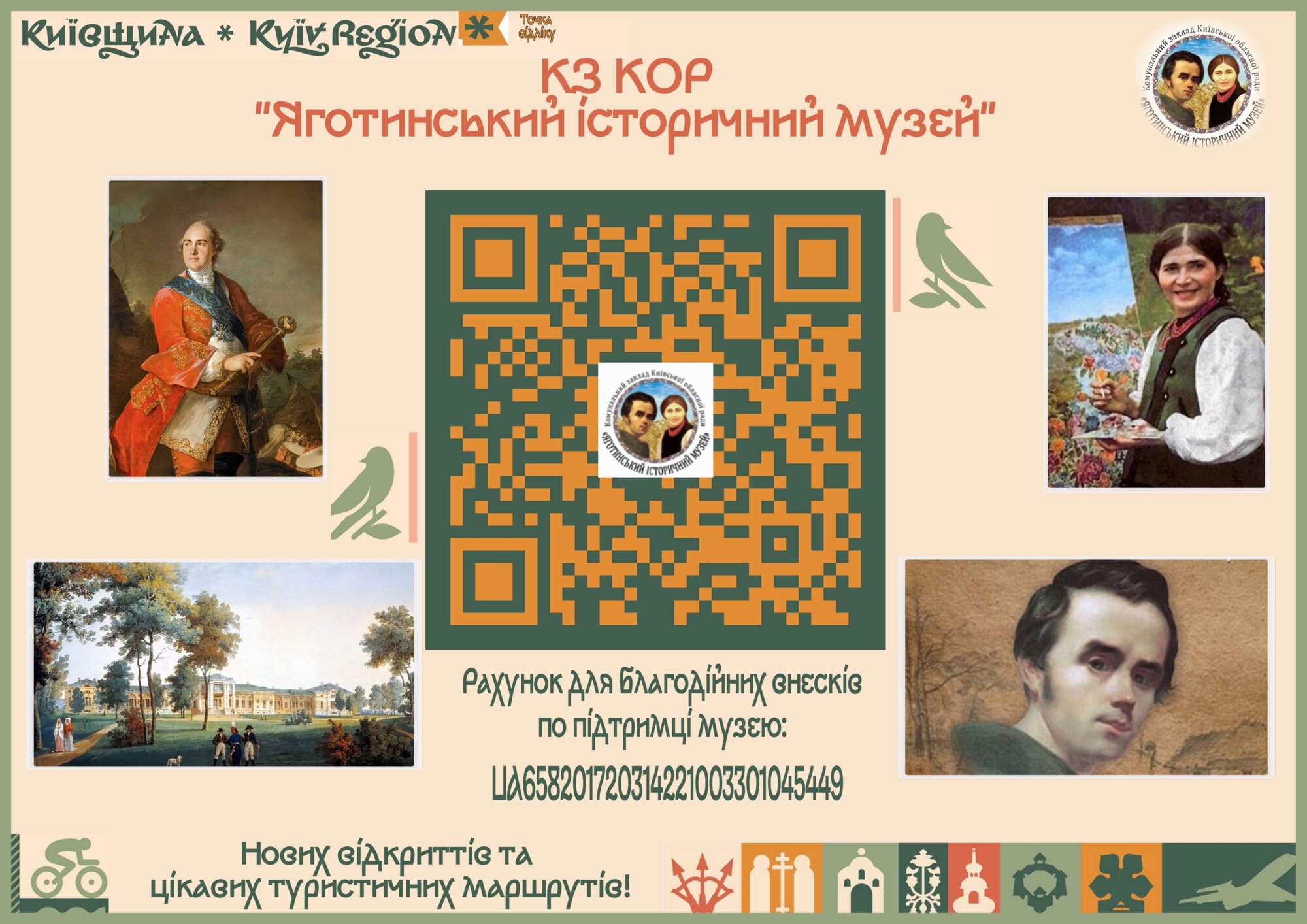
No less interesting is the exhibition section about the last hetman of Left-Bank Ukraine, K.H. Razumovsky, who owned the town and surrounding villages from the second half of the 18th century. Separate materials are devoted to Prince M.H. Repnin (Governor-General of the Poltava and Chernihiv provinces) and his family.
Special attention is deserved by the hall devoted to the stay of T.H. Shevchenko in Yahotyn, where the poet lived for almost 3 months. This hall also displays photocopies of Shevchenko’s letters to Varvara Mykolaivna (daughter of M.H. Repnin). In his letters the poet wrote: “All the days of my stay in Yahotyn once were, and will remain, a series of wonderful memories for me.”
The museum’s ethnographic collection introduces the culture and daily life of the inhabitants of the Yahotyn region in the late 19th and early 20th centuries. Visitors can see embroidered towels and shirts, carpets, women’s clothing, and household items made of wood, clay and straw.
No less interesting are the sections that introduce the life of the people of the Yahotyn area in 1905-1920. In addition to personal belongings, there are original posters from 1918-1920 and samples of weapons of that time. The change of power, collectivisation, the Holodomor, repressions – all of this passes before the eyes of visitors.
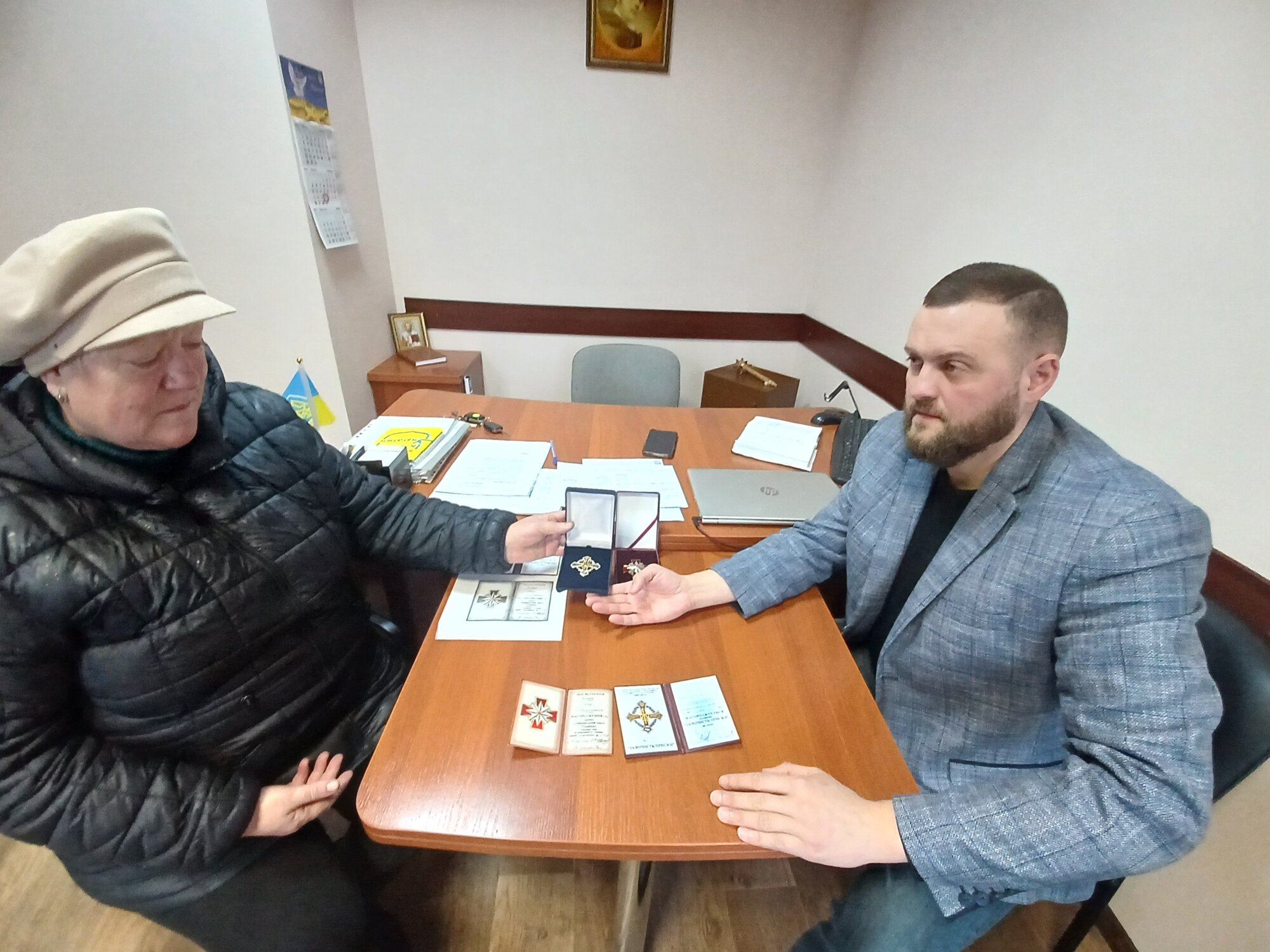
The memory of those who defended and liberated our country during the Second World War is kept in two halls of the museum. They present a portrait gallery of Heroes, documents, awards, veterans’ personal belongings, front-line newspapers, letters and weapons.
The end of the war, victory, the restoration of the destroyed economy. A separate Hall 11 was created about the revival of the town from ruins and the people who had to do everything possible for this. Its showcases hold awards of leading workers of the 1950s-60s, their personal belongings and photographs.
The period of 1970-1980 presents Heroes of Labour, Honoured Workers of the Yahotyn area, and achievements in industry and agriculture.
Hall 12 presents the creative work of talented fellow countrymen: People’s Artist of Ukraine K.V. Bilokur, phytotherapist, scientist and writer Ye.S. Tovstukha, bandura player and People’s Artist of the Ukrainian SSR A.M. Bobyr, and others.
Heroism and selfless labour, deep patriotism and professionalism have characterised our countrymen for many generations.
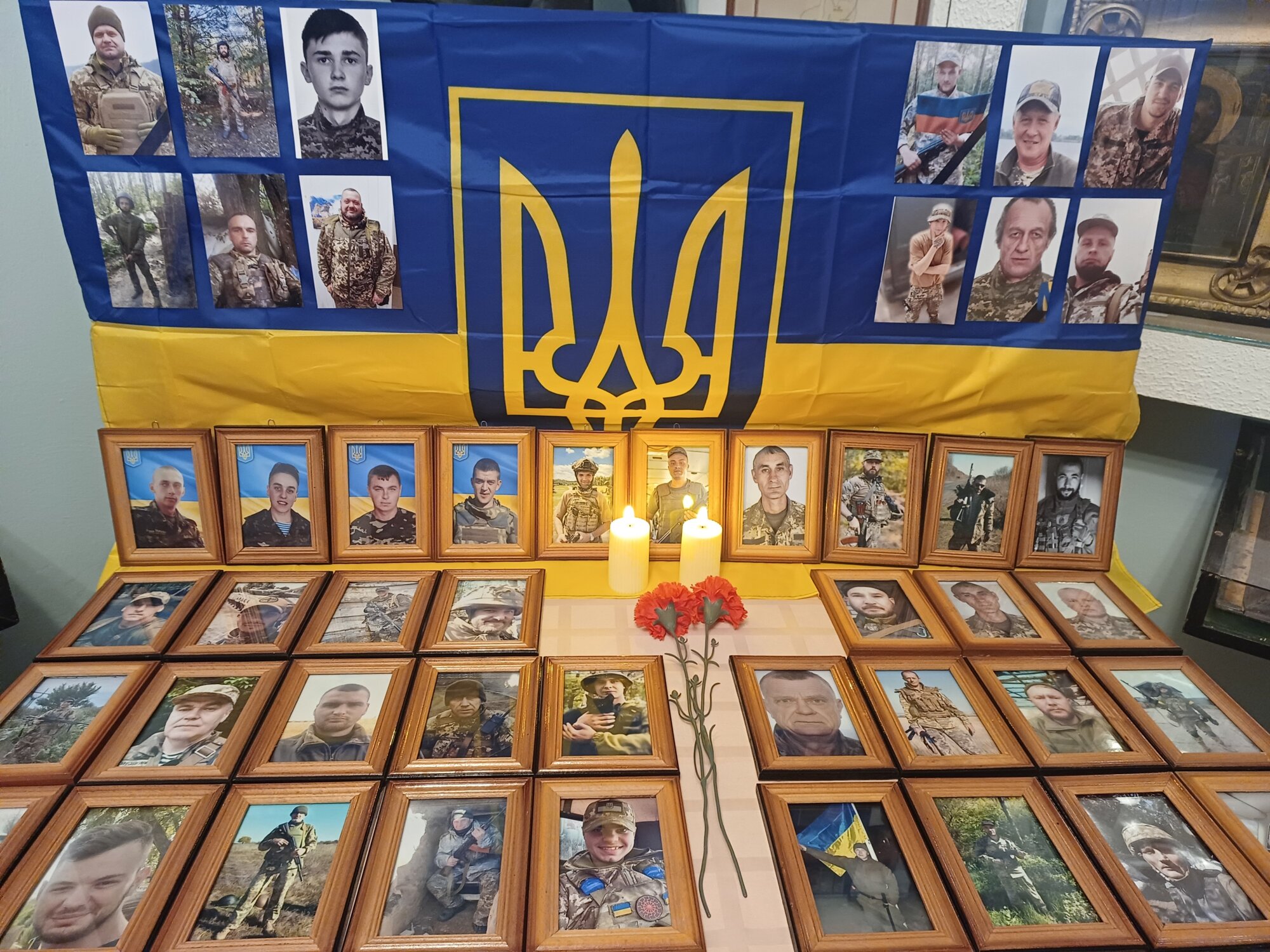
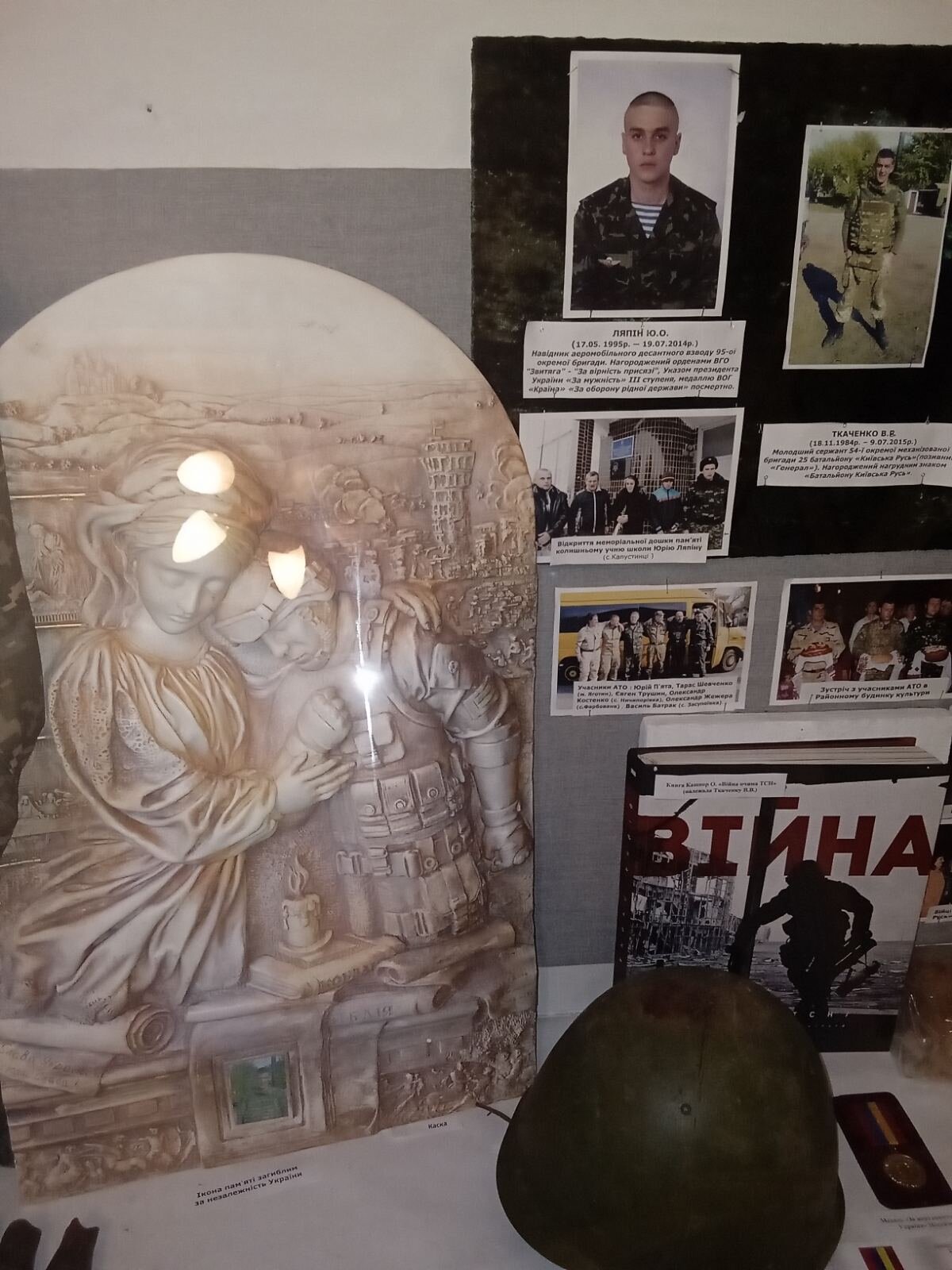
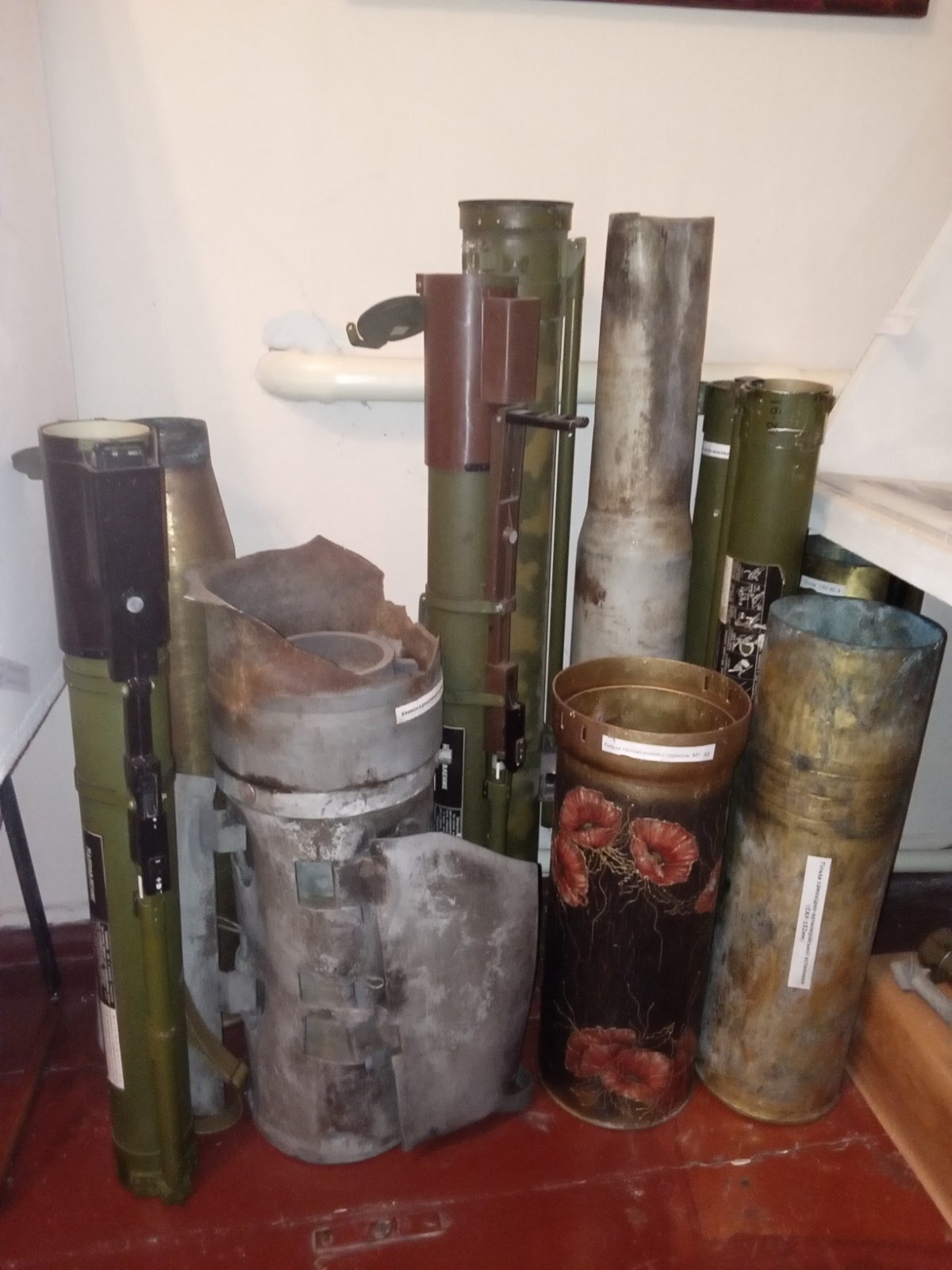
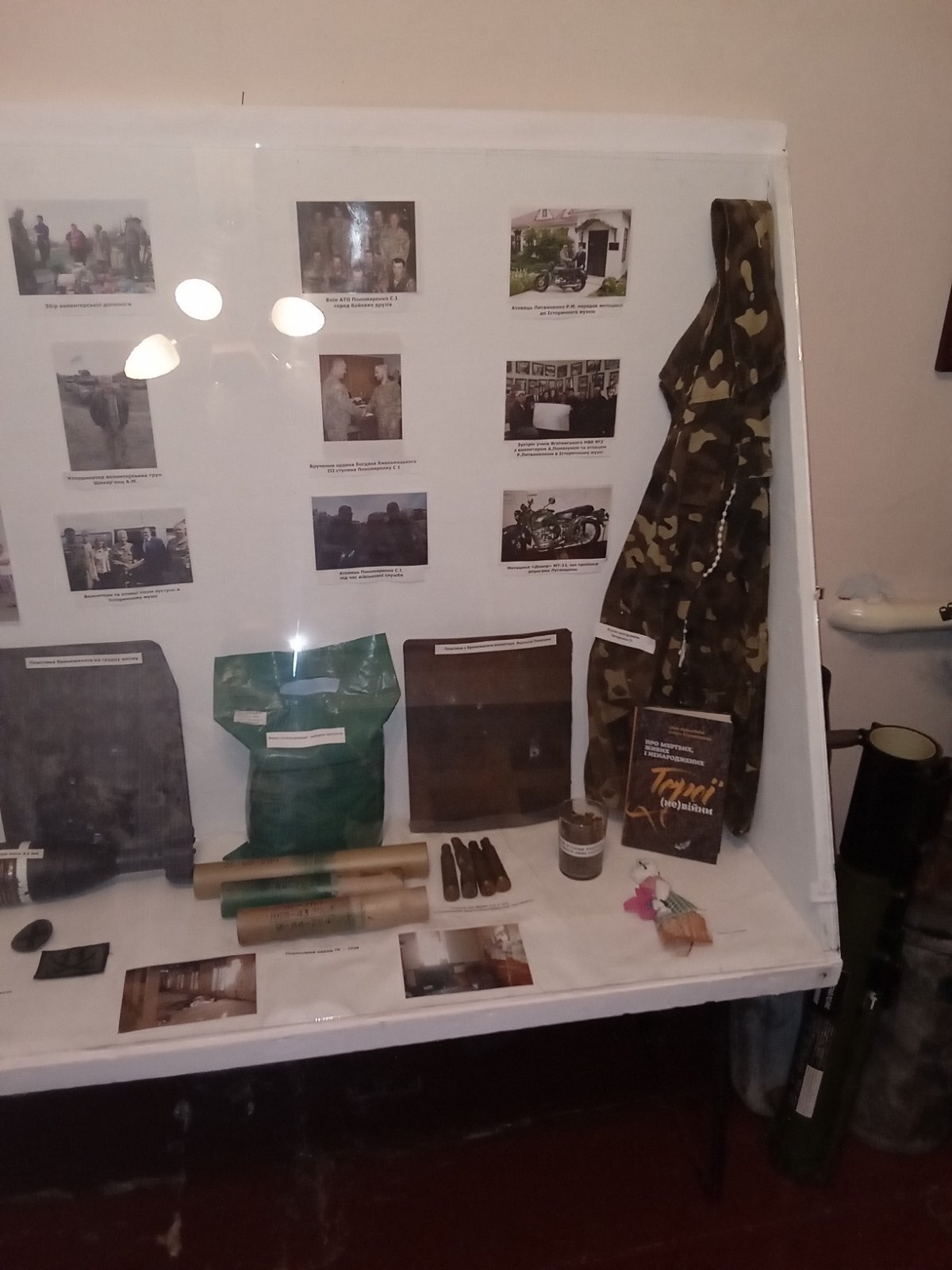
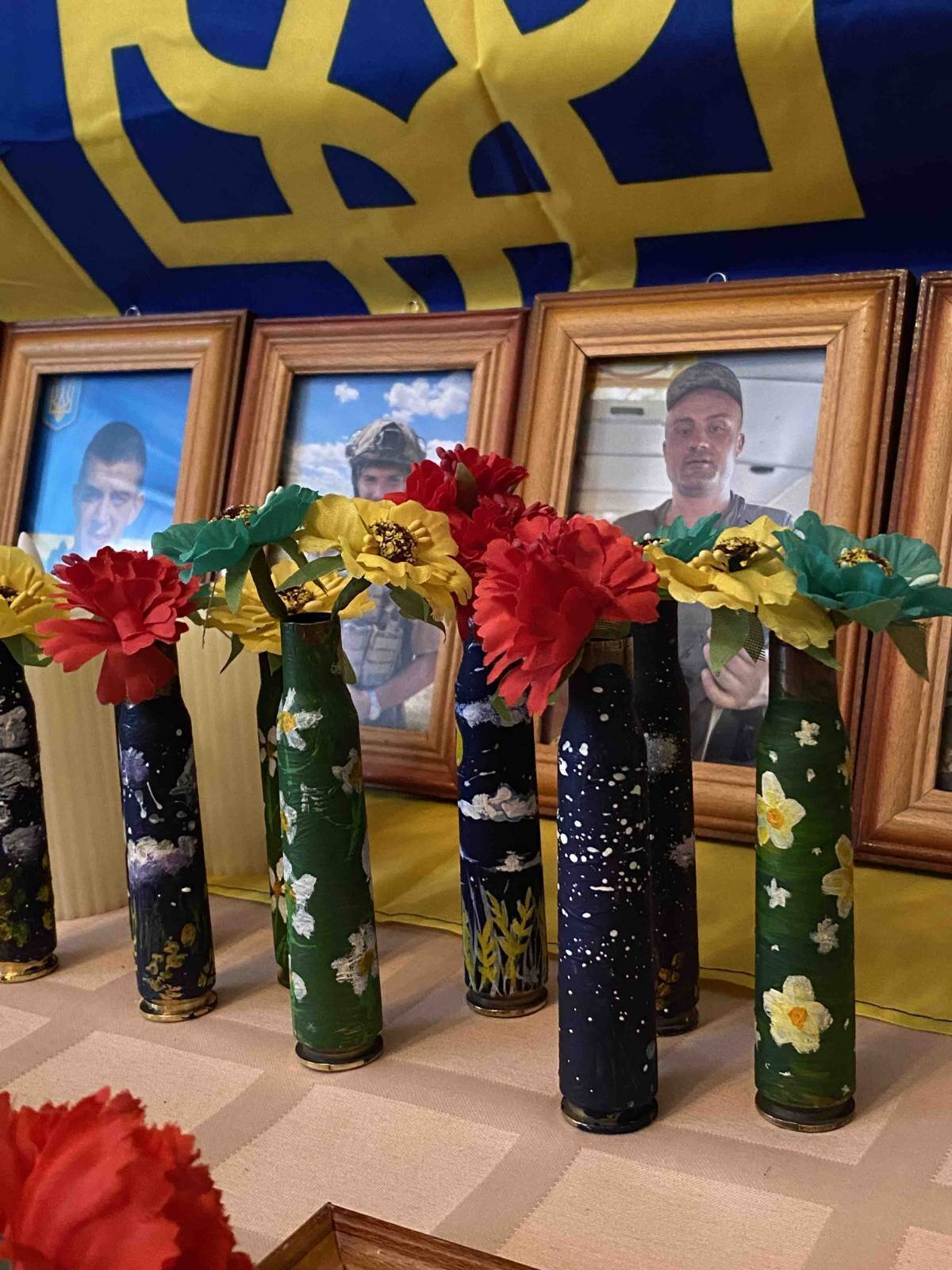
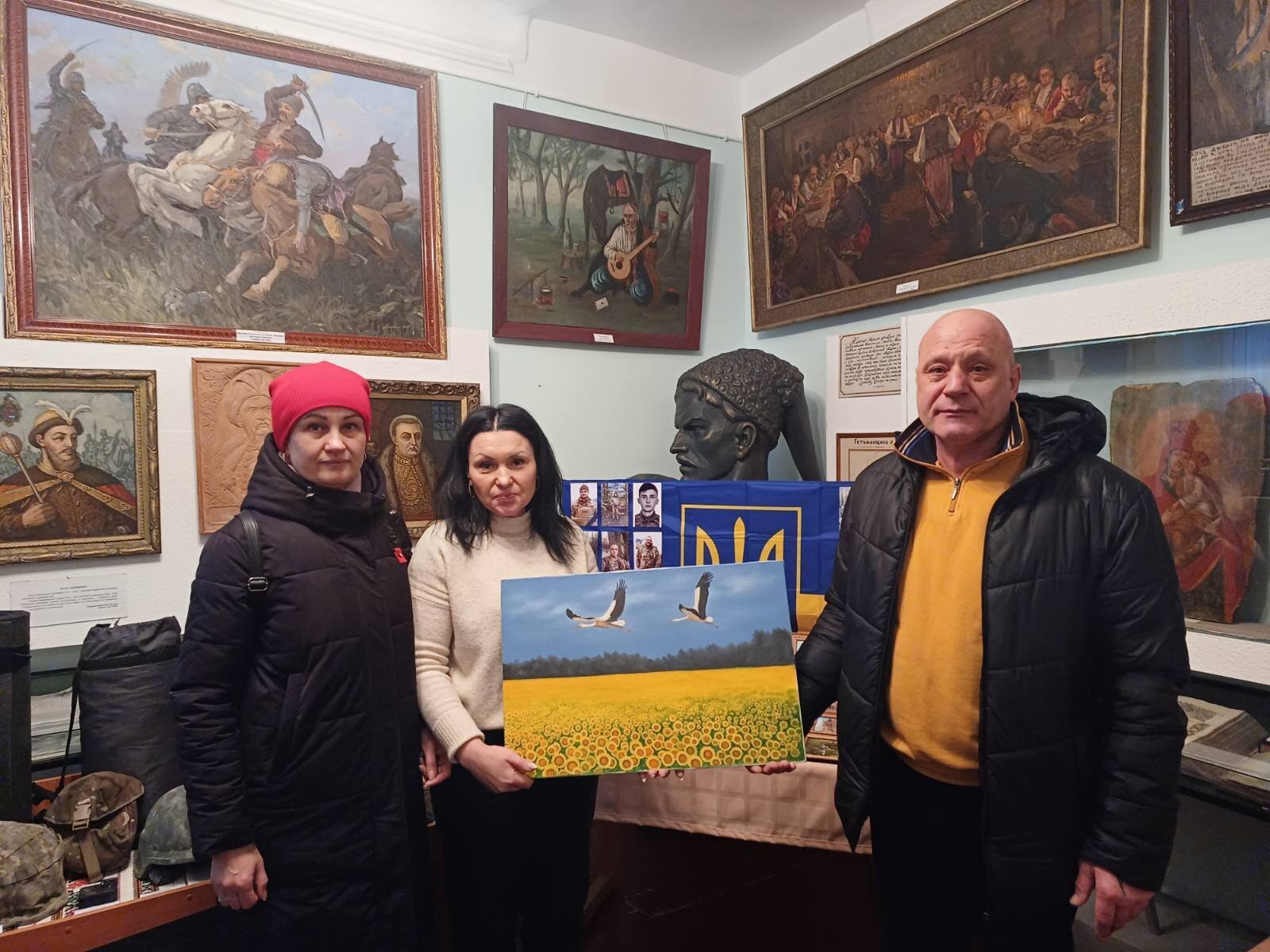
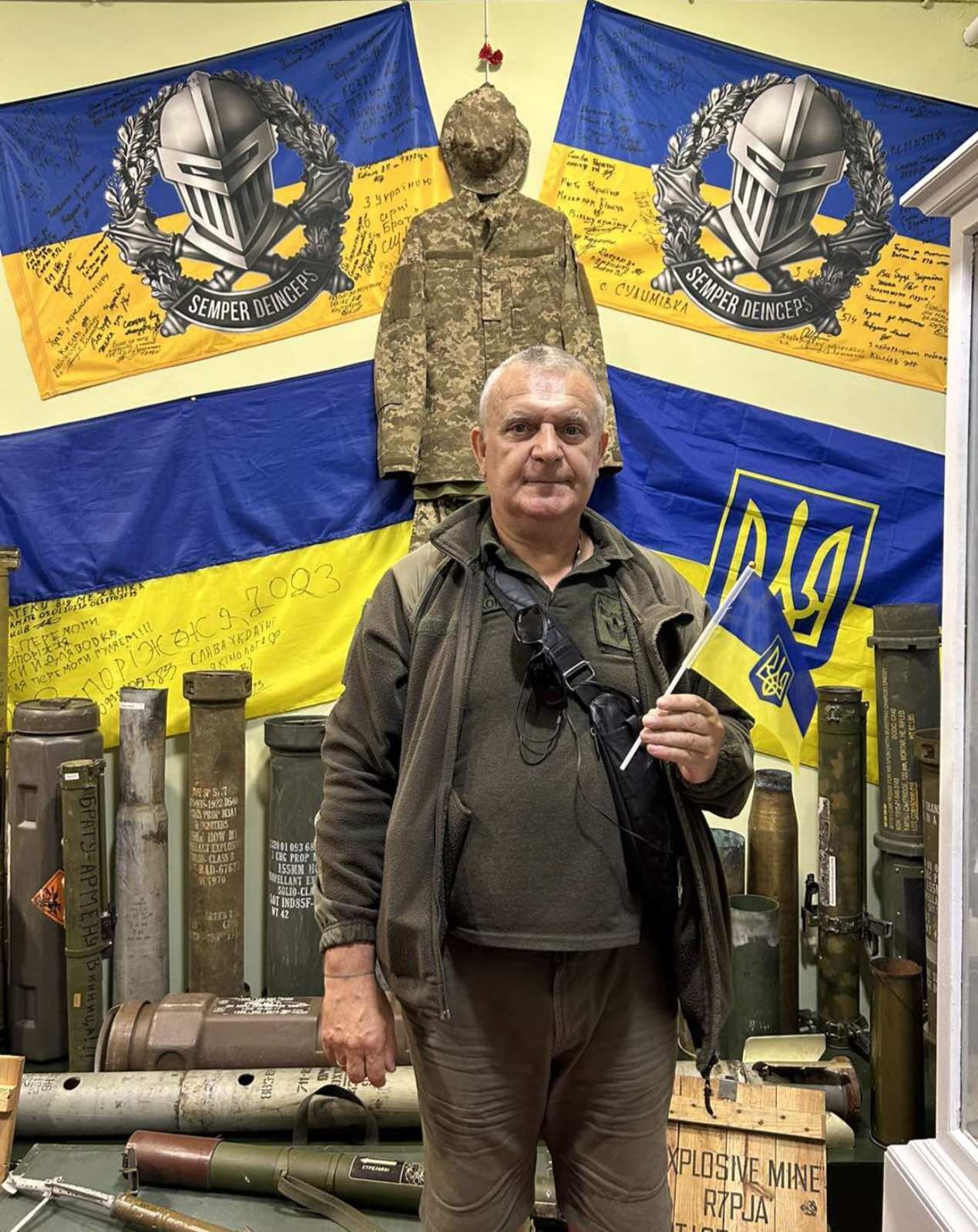
Information about these people, their achievements in industry and agriculture, and about Honoured Workers of Culture and Arts is presented in the hall of modern times, which features an exhibition about Afghan war veterans and fellow countrymen defending the independence of our state in the ATO zone.
Finally, visitors get to know the founder of the Yahotyn museum movement, local historian, teacher and literary scholar O.S. Neporozhnii, and the Soviet Union’s Minister of Energy and Electrification, P.S. Neporozhnii.
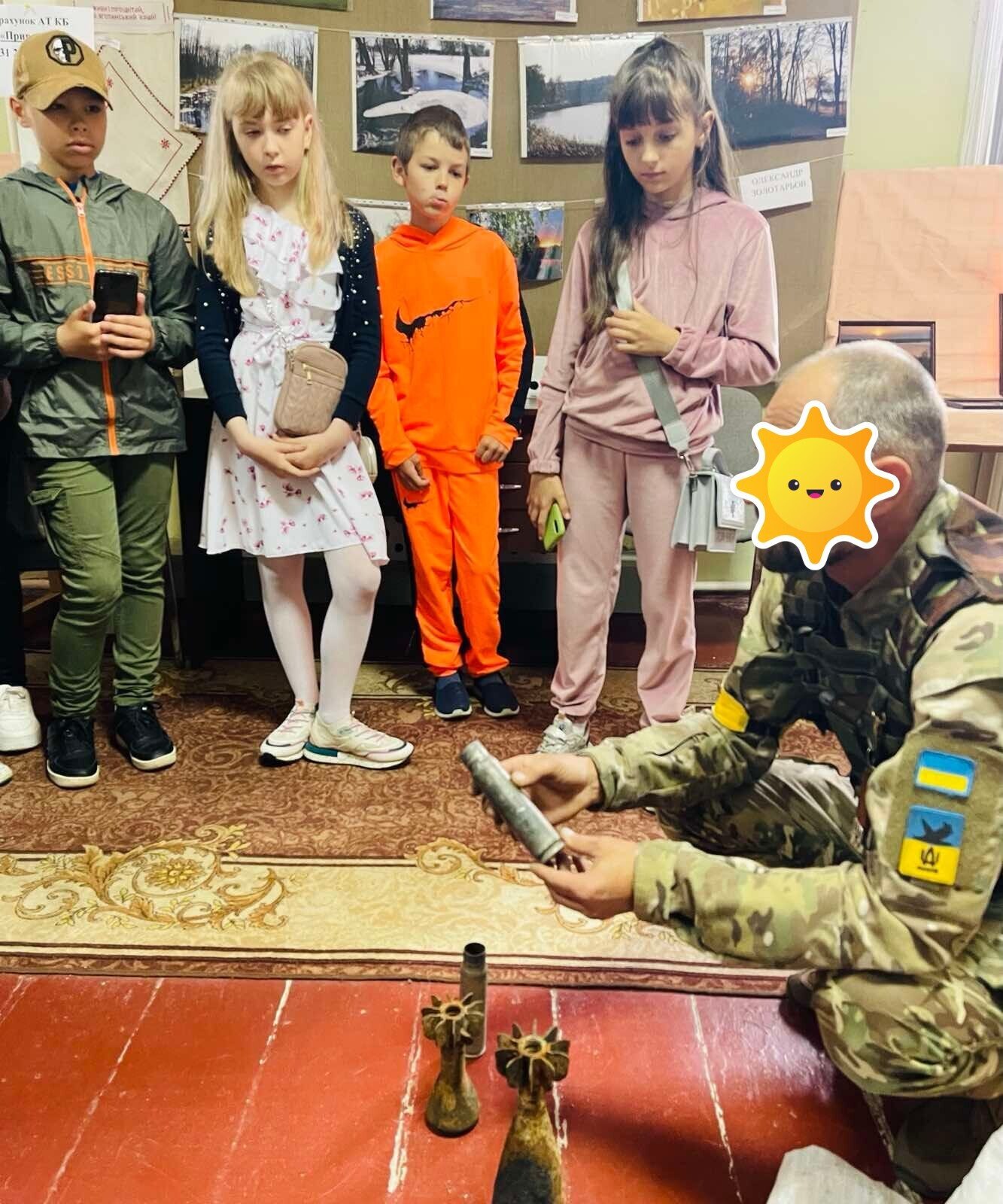
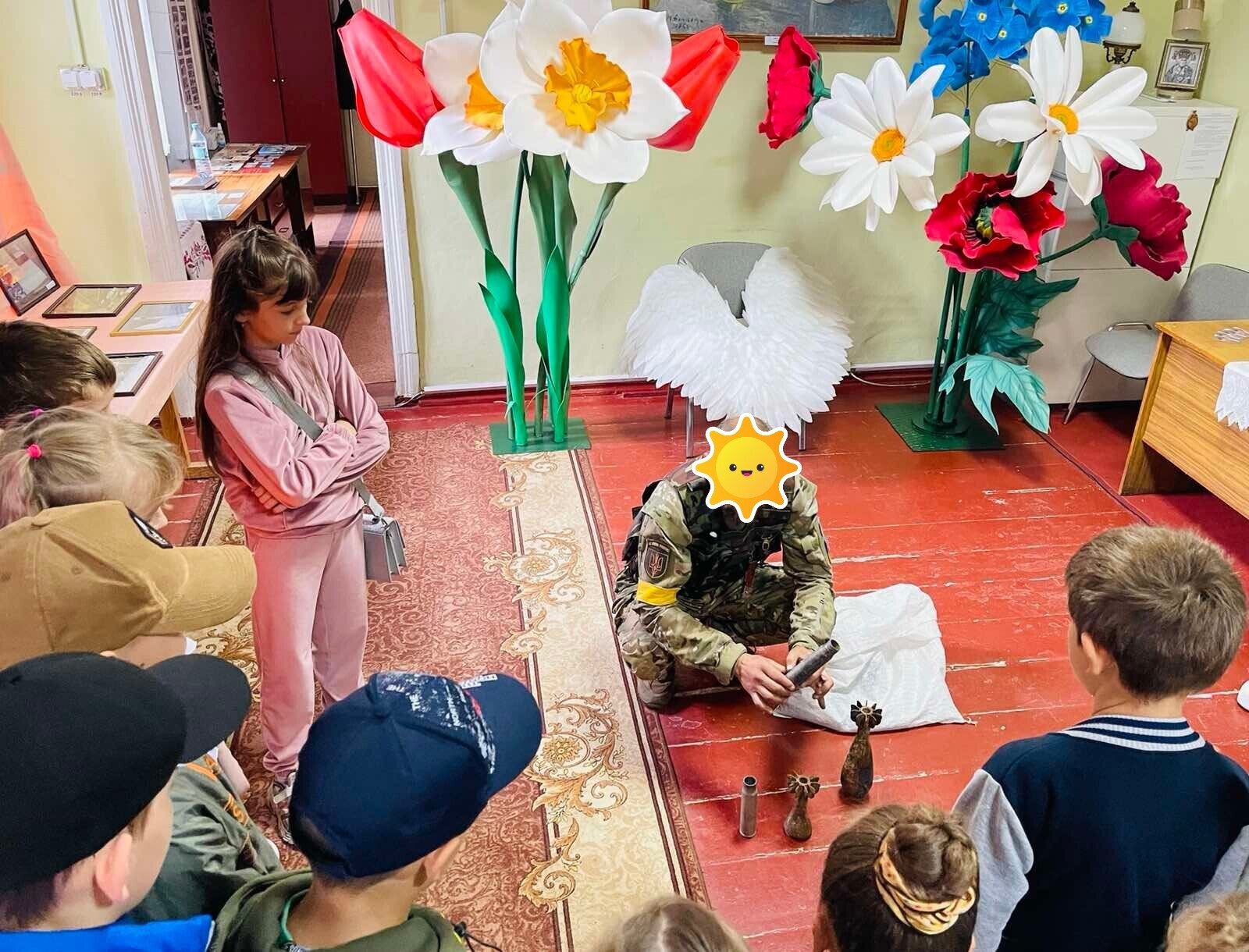
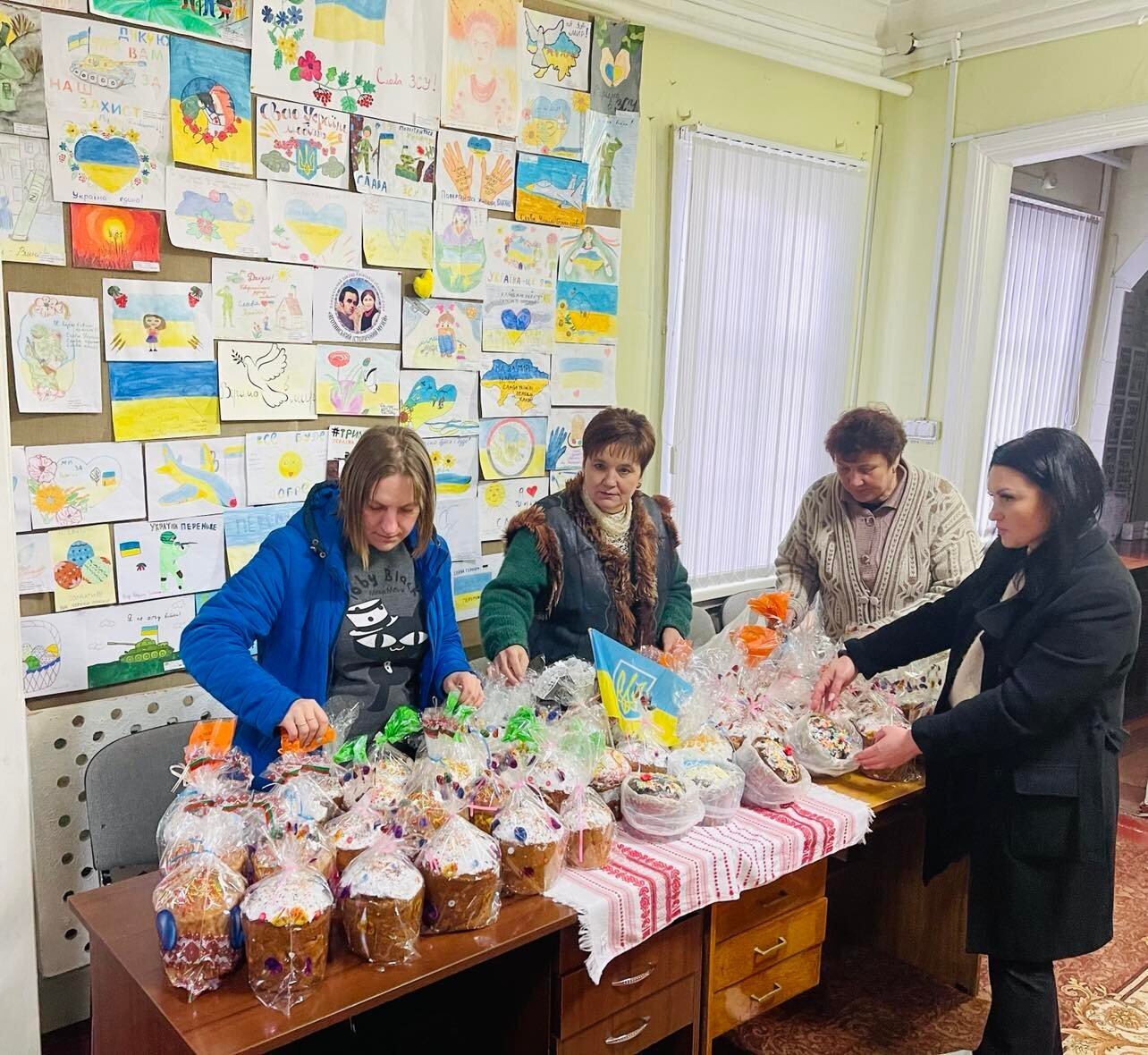
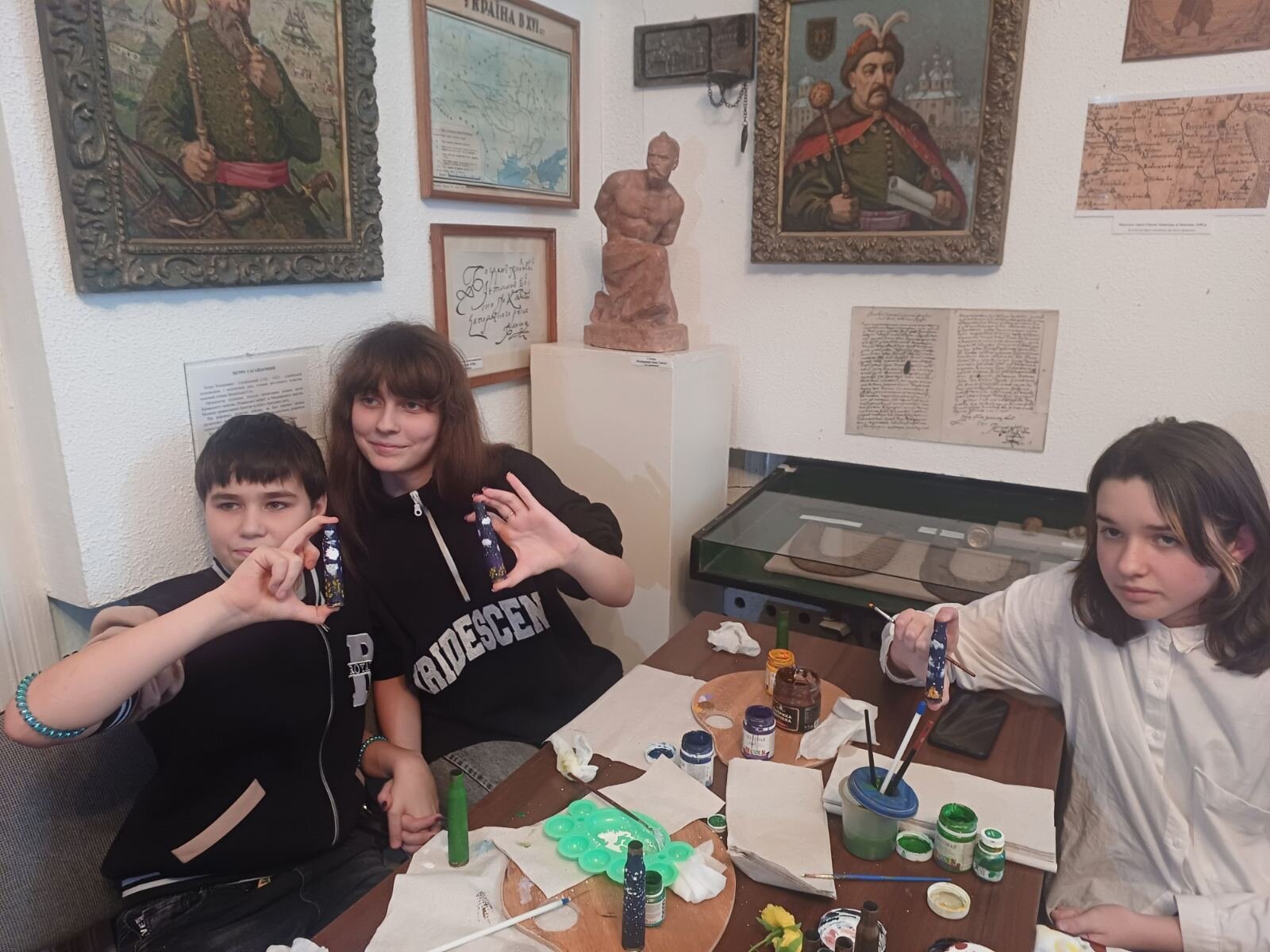
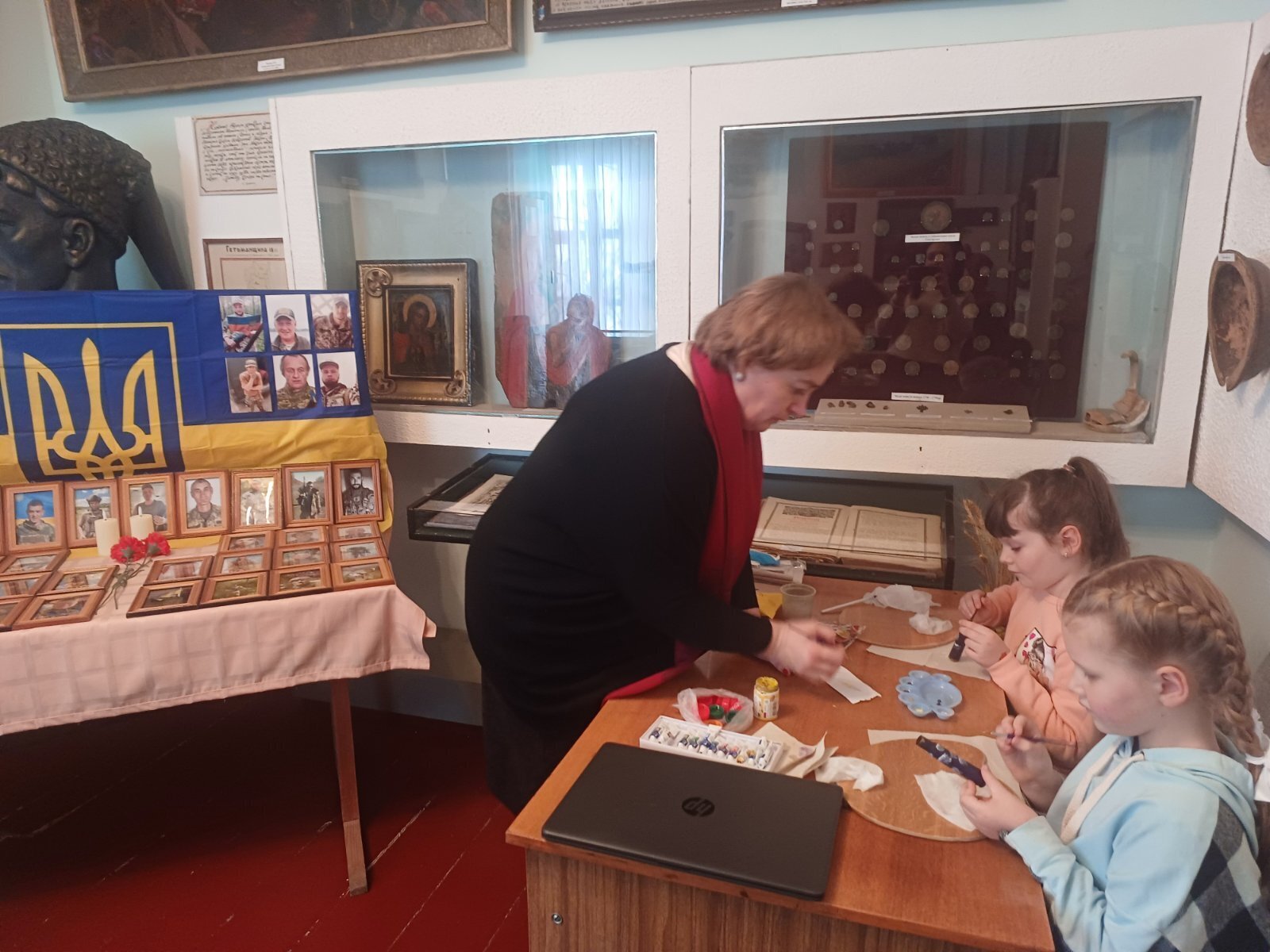
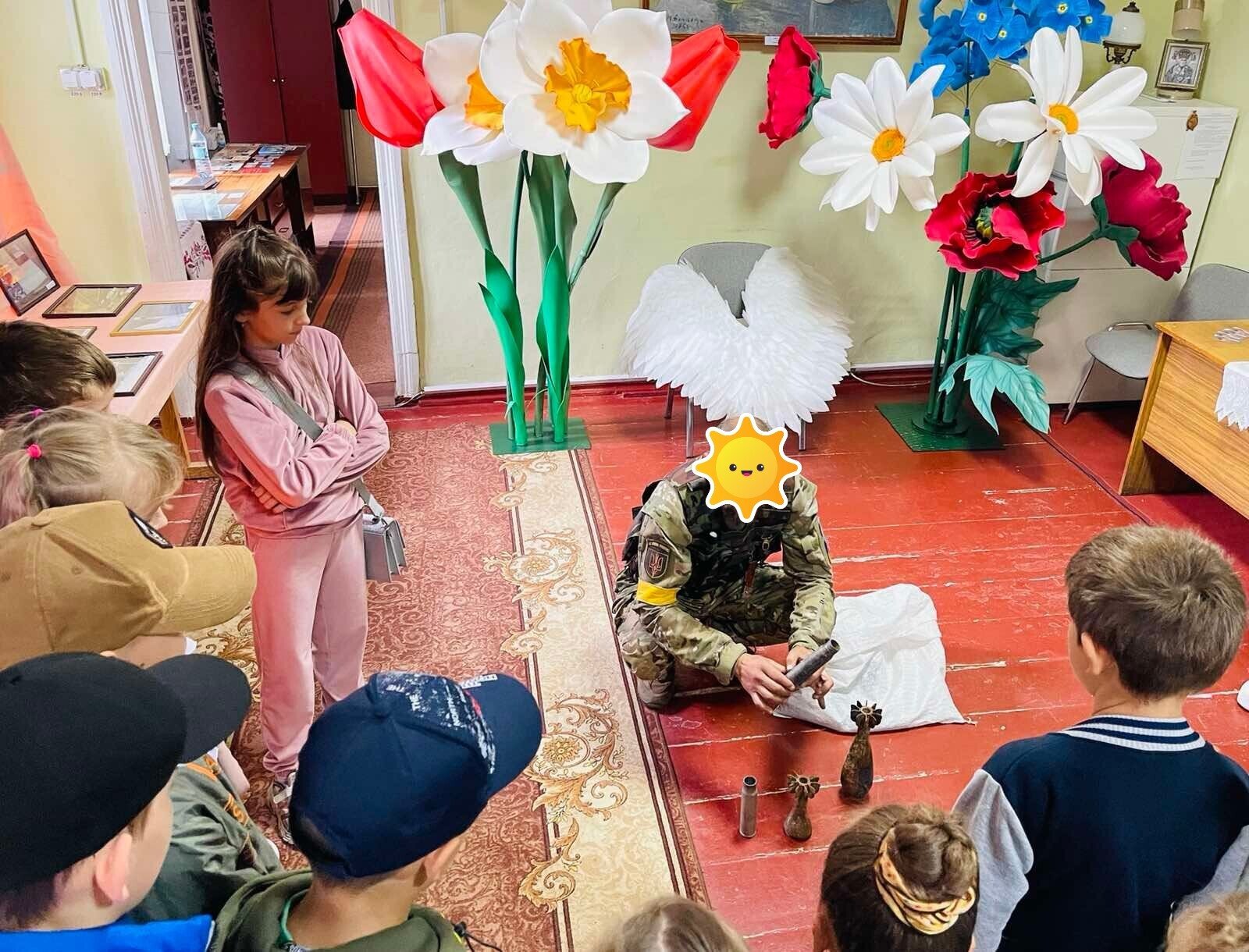
Round-table meetings with various interesting and distinguished people, educational hours and interesting exhibitions have become a good tradition at the museum, because a museum is a place that preserves national heritage and memory, an invaluable resource for educating children, the future builders of a European state.
To honour and remember the history of one’s native land is a sacred duty and a great honour for every museum worker. It is a source of inspiration for everyone who has touched the origins of the past and present of our land.
We cordially invite you to visit the History Museum of our town!