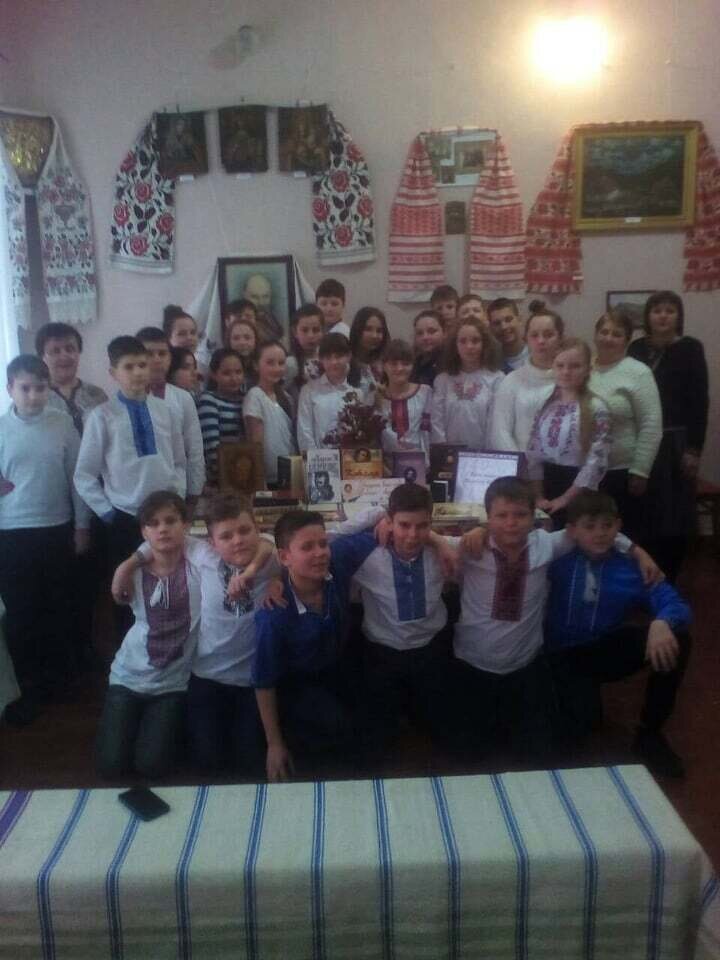
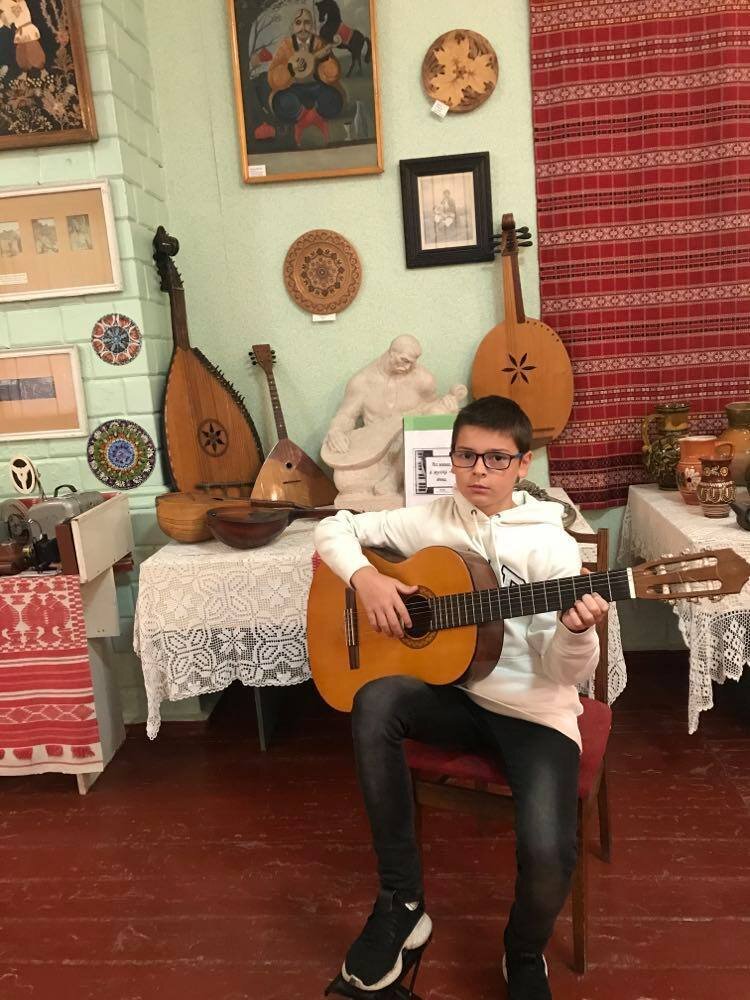
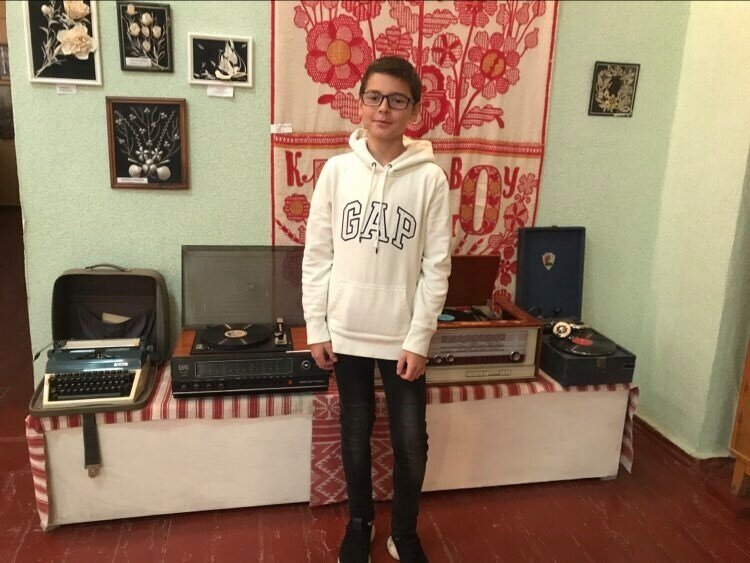
The Museum of Ethnography is a true corner of folk studies, a centre of cooperation between researchers and pupils and teachers of local schools and students in studying local history material: the life and everyday culture of the Ukrainian peasantry, in particular of the Yahotyn area.
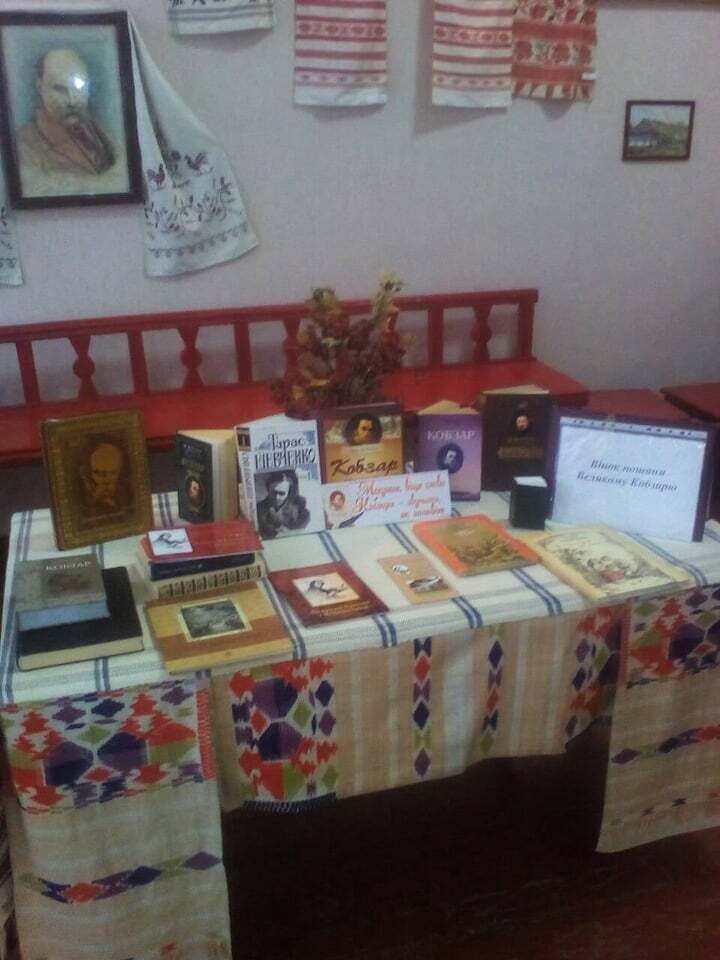
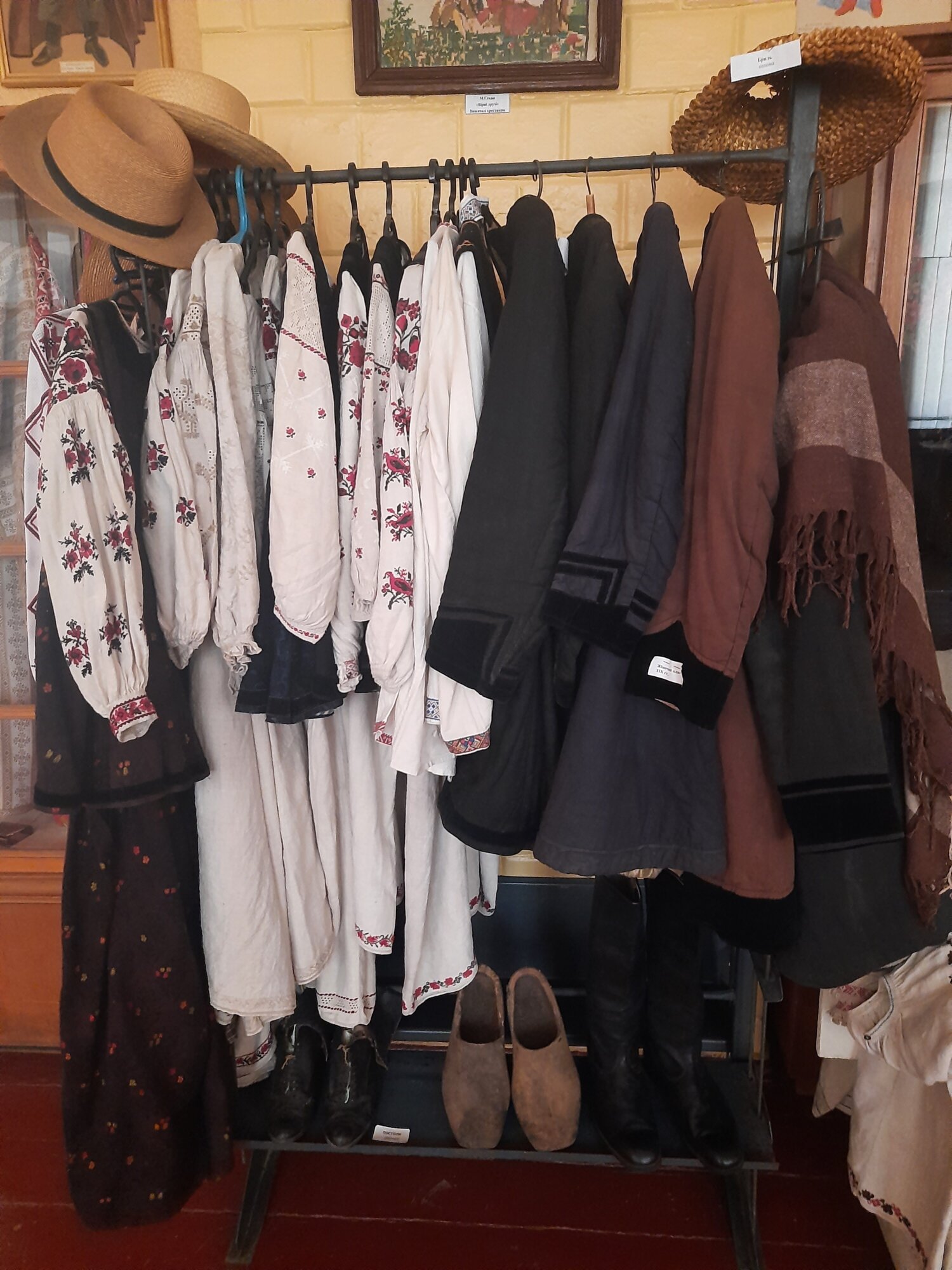
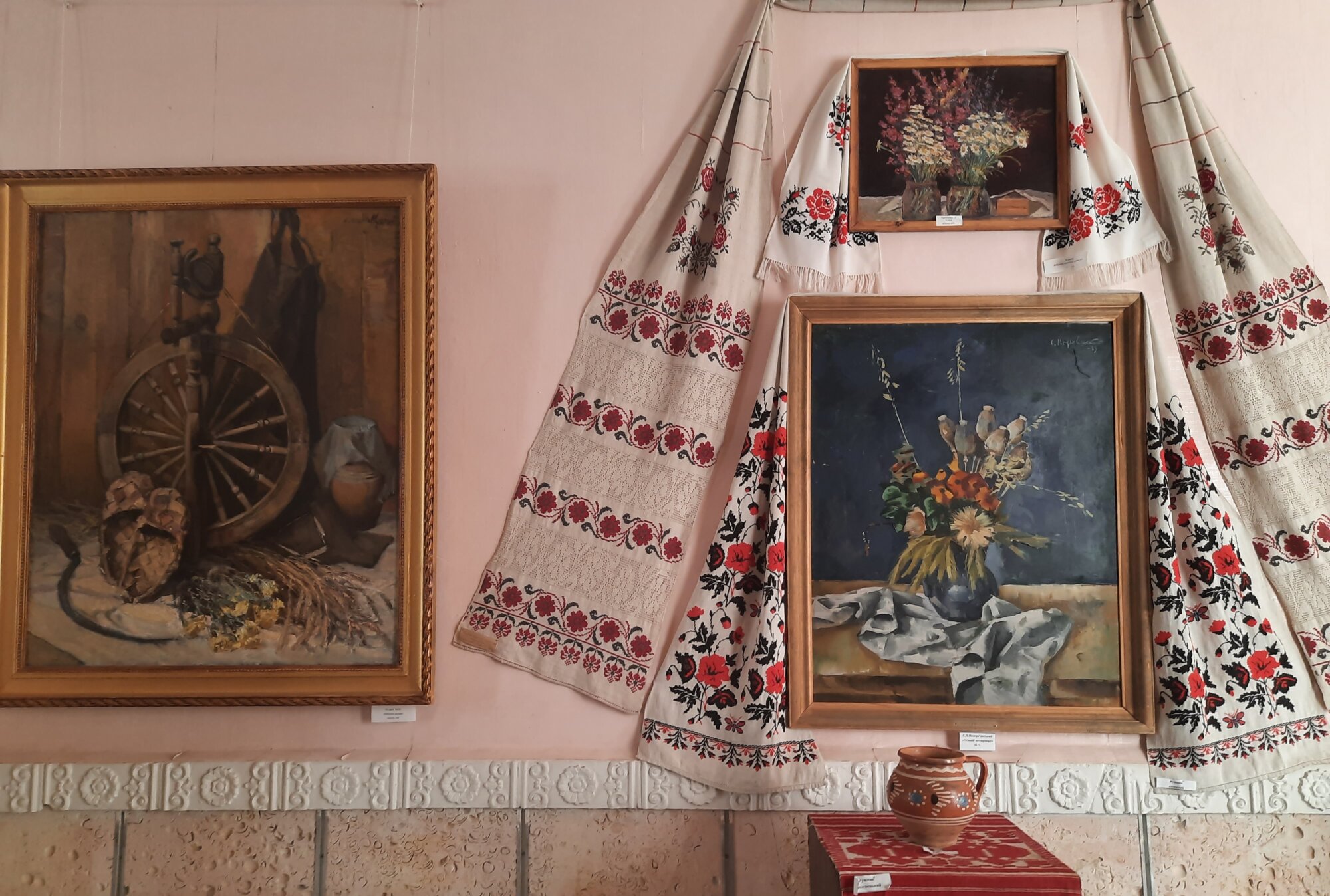
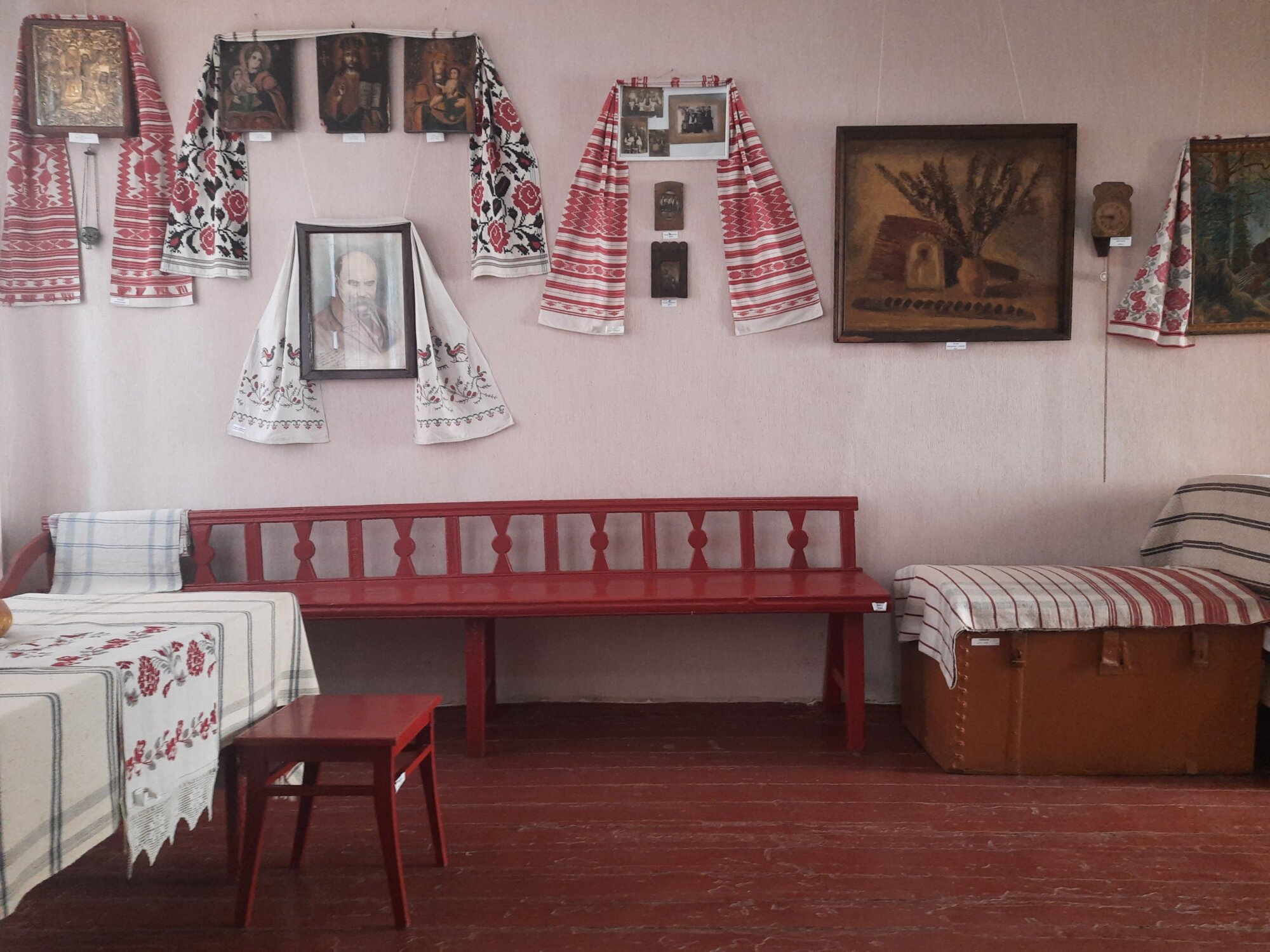
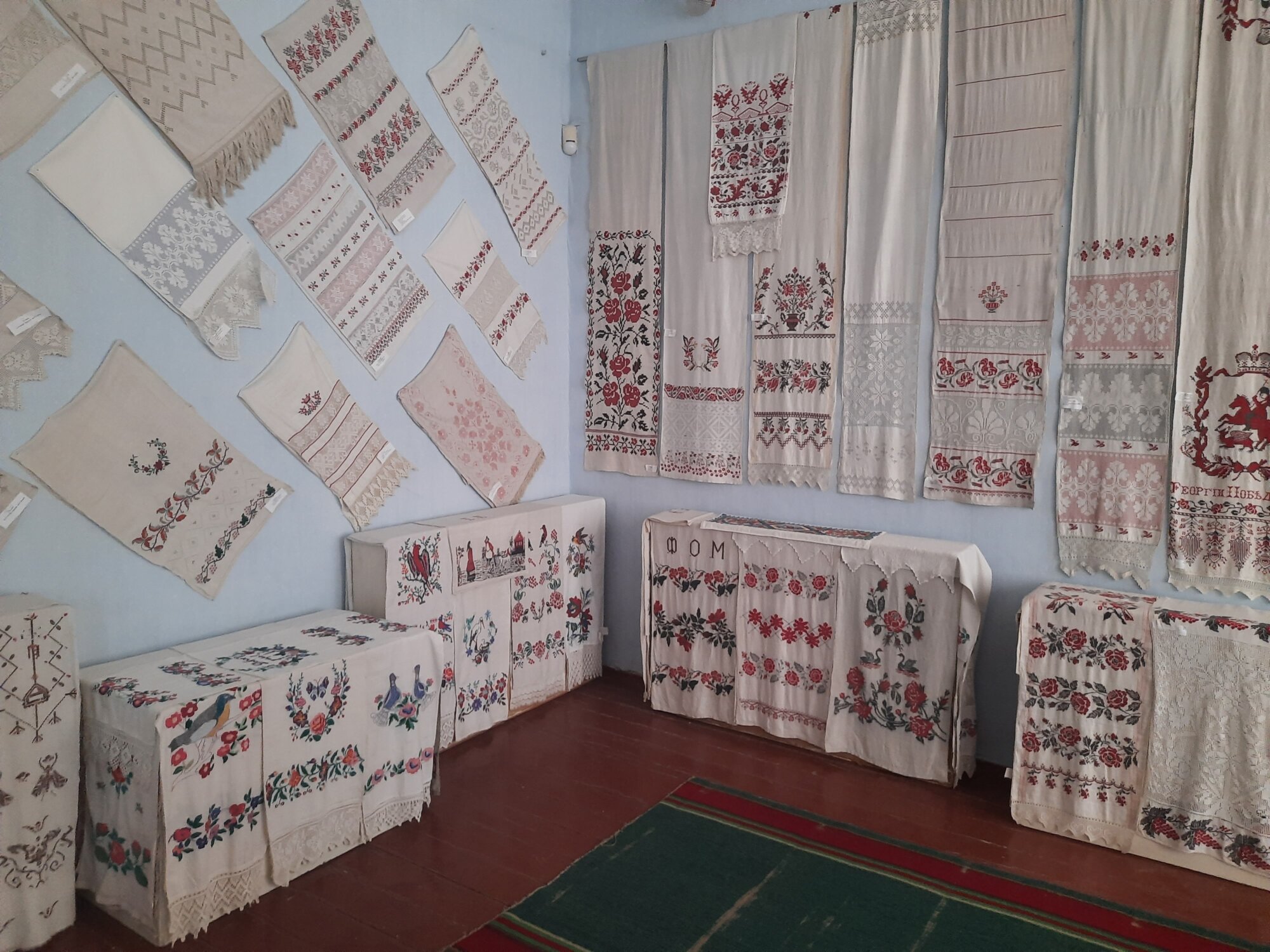
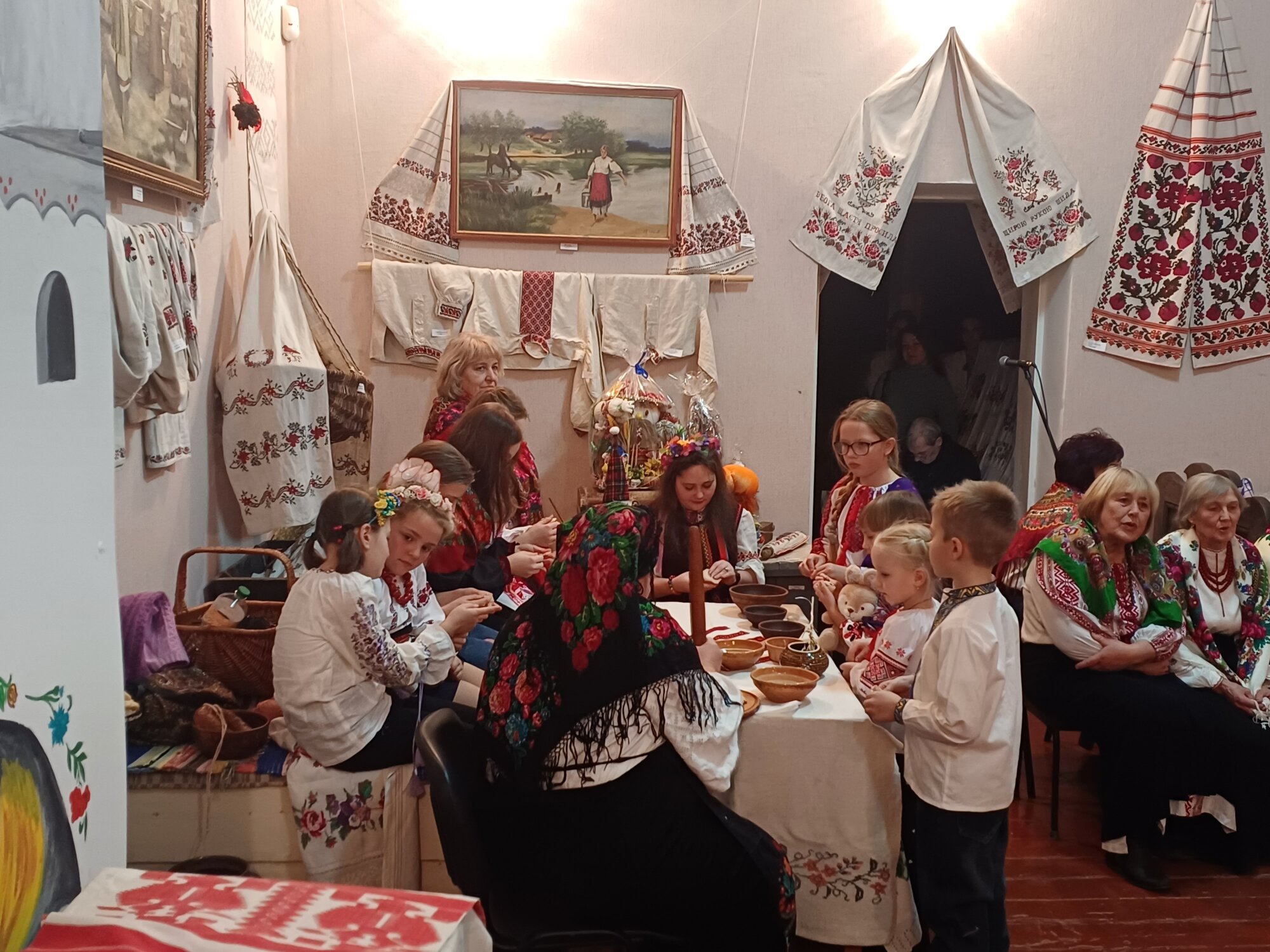
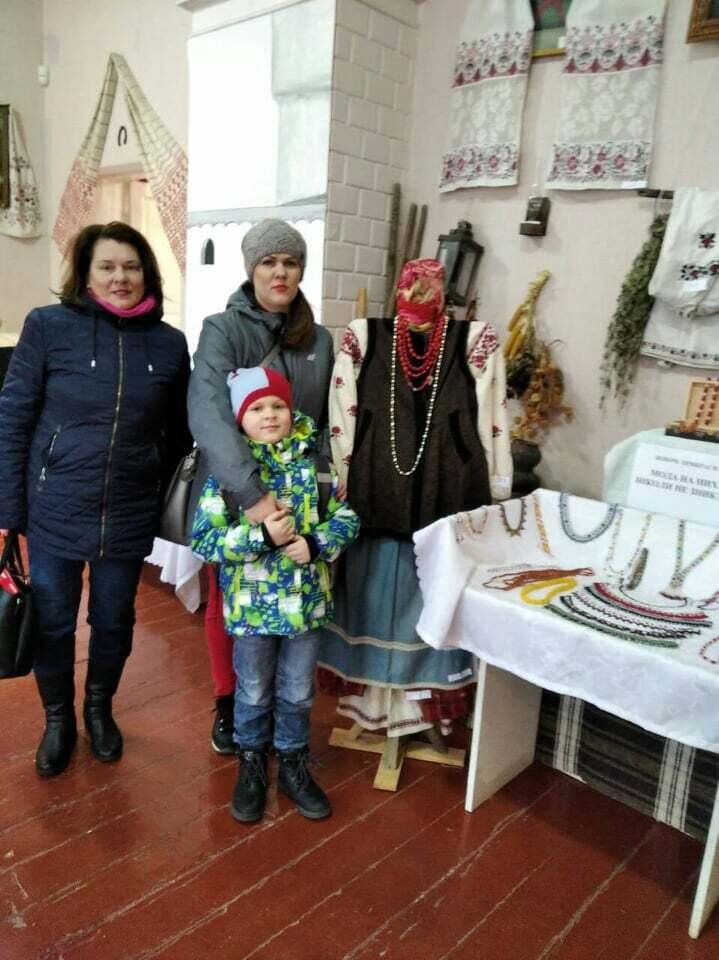
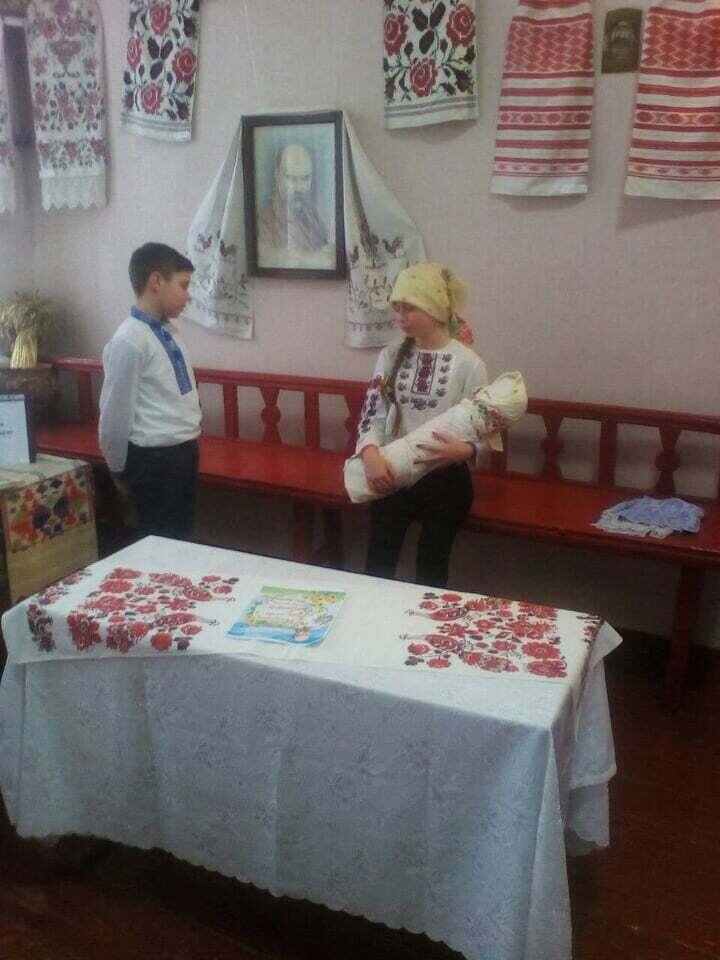
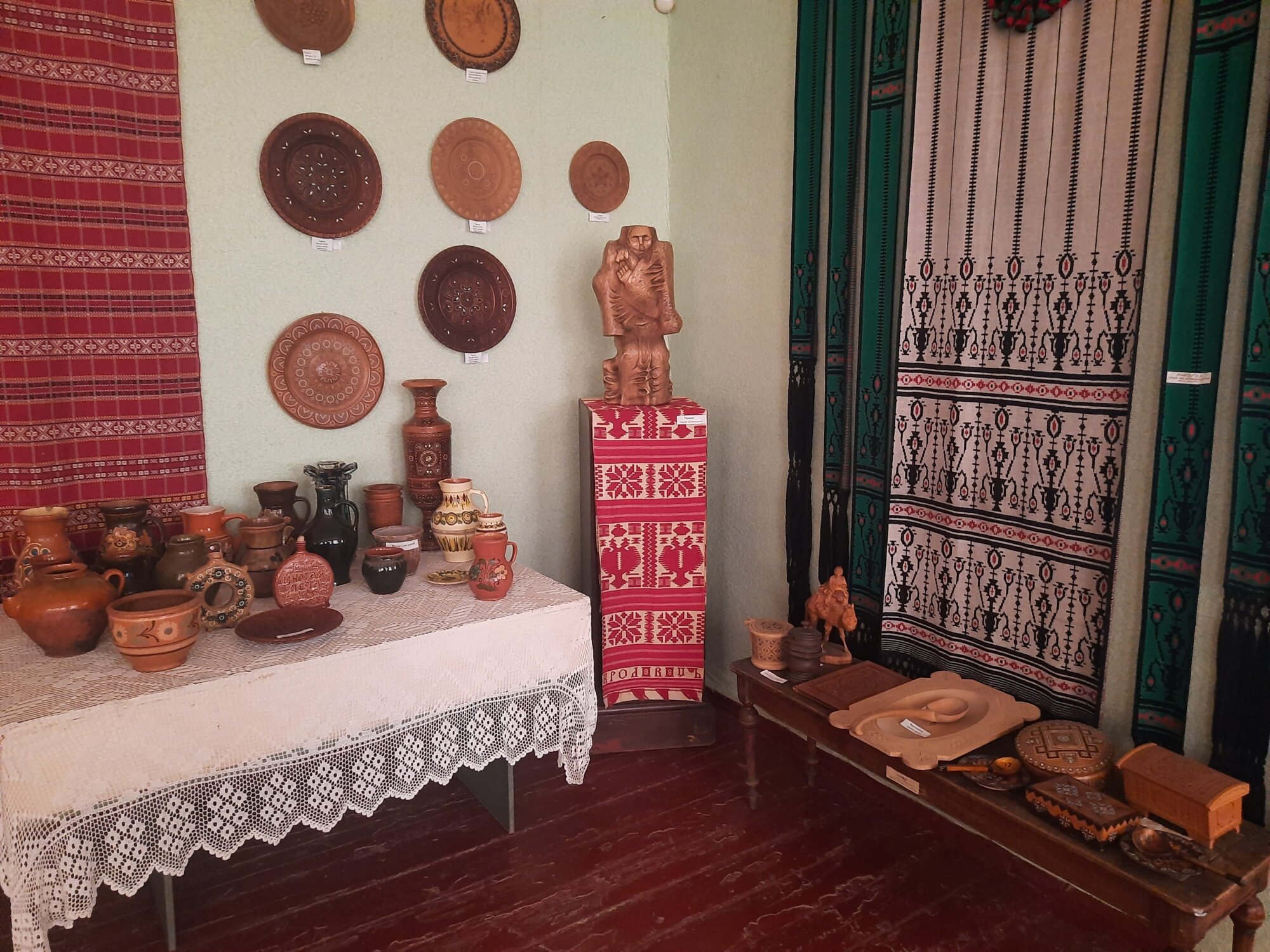
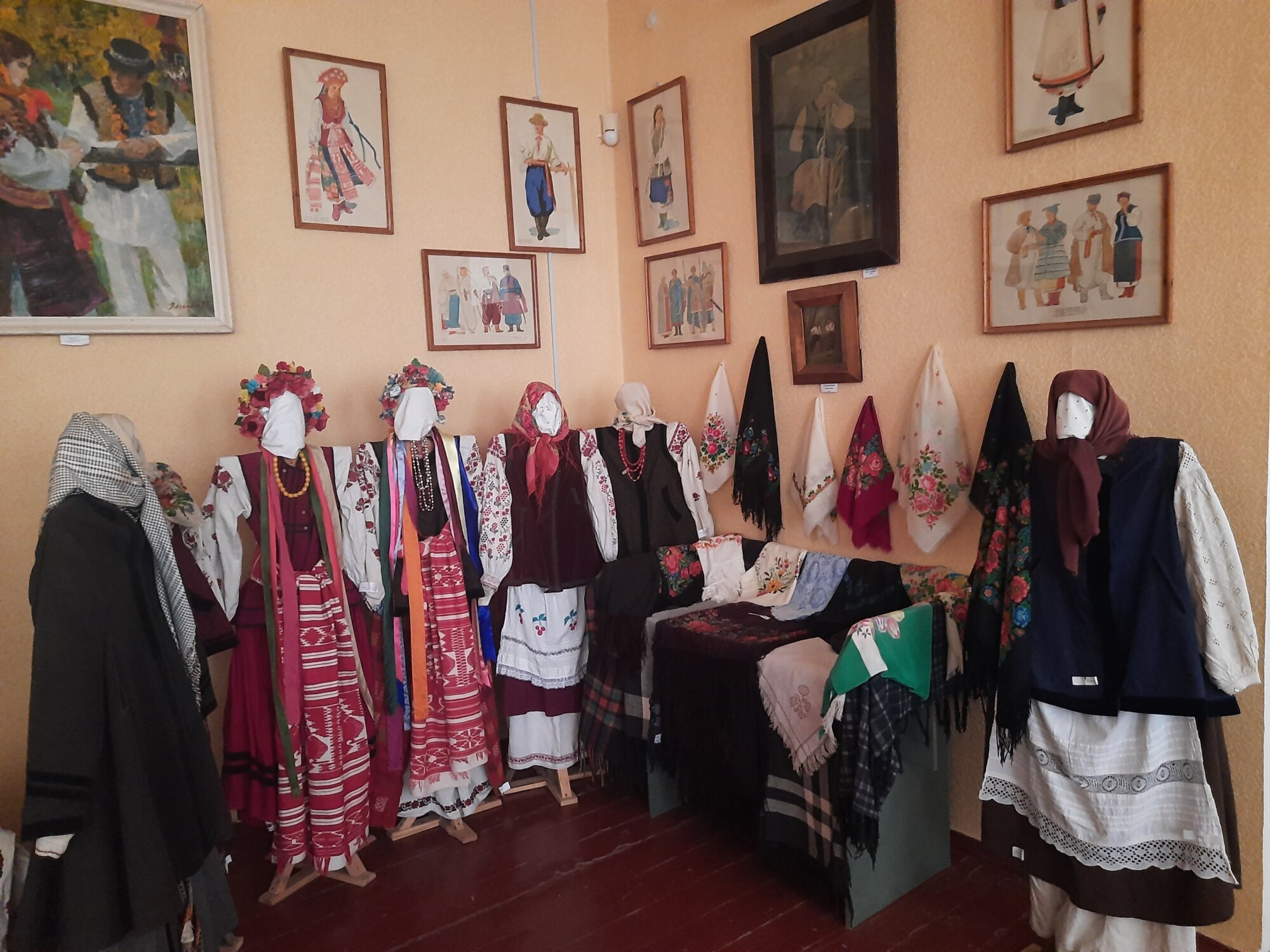
The museum’s exhibition was created from the materials of numerous ethnographic expeditions. The collection mostly presents embroidered towels by craftswomen of the Kyiv region and the Yahotyn area, distinguished by their ornamental motifs; seasonal clothing, everyday and festive; household items; and men’s and women’s embroidered shirts.
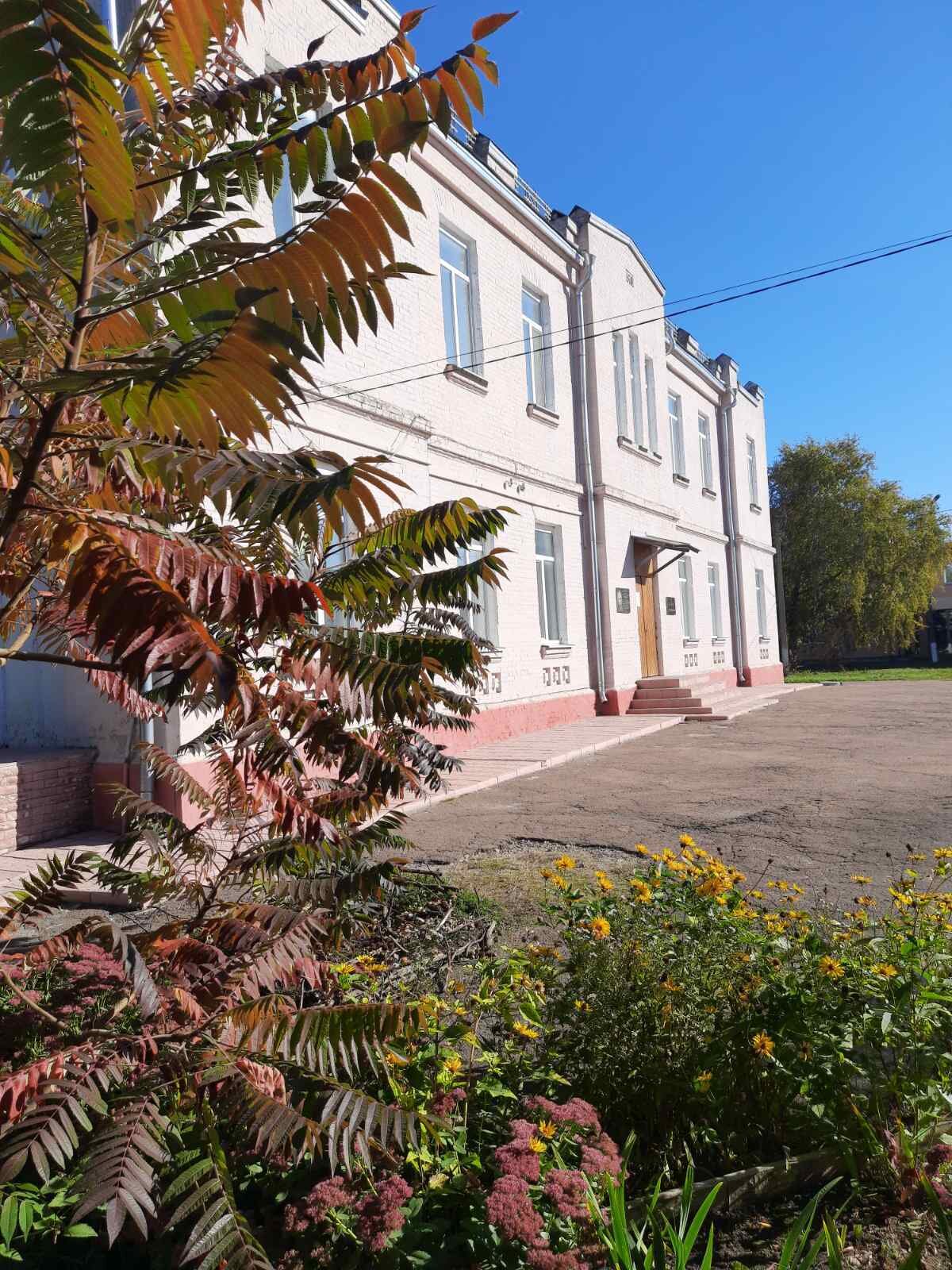
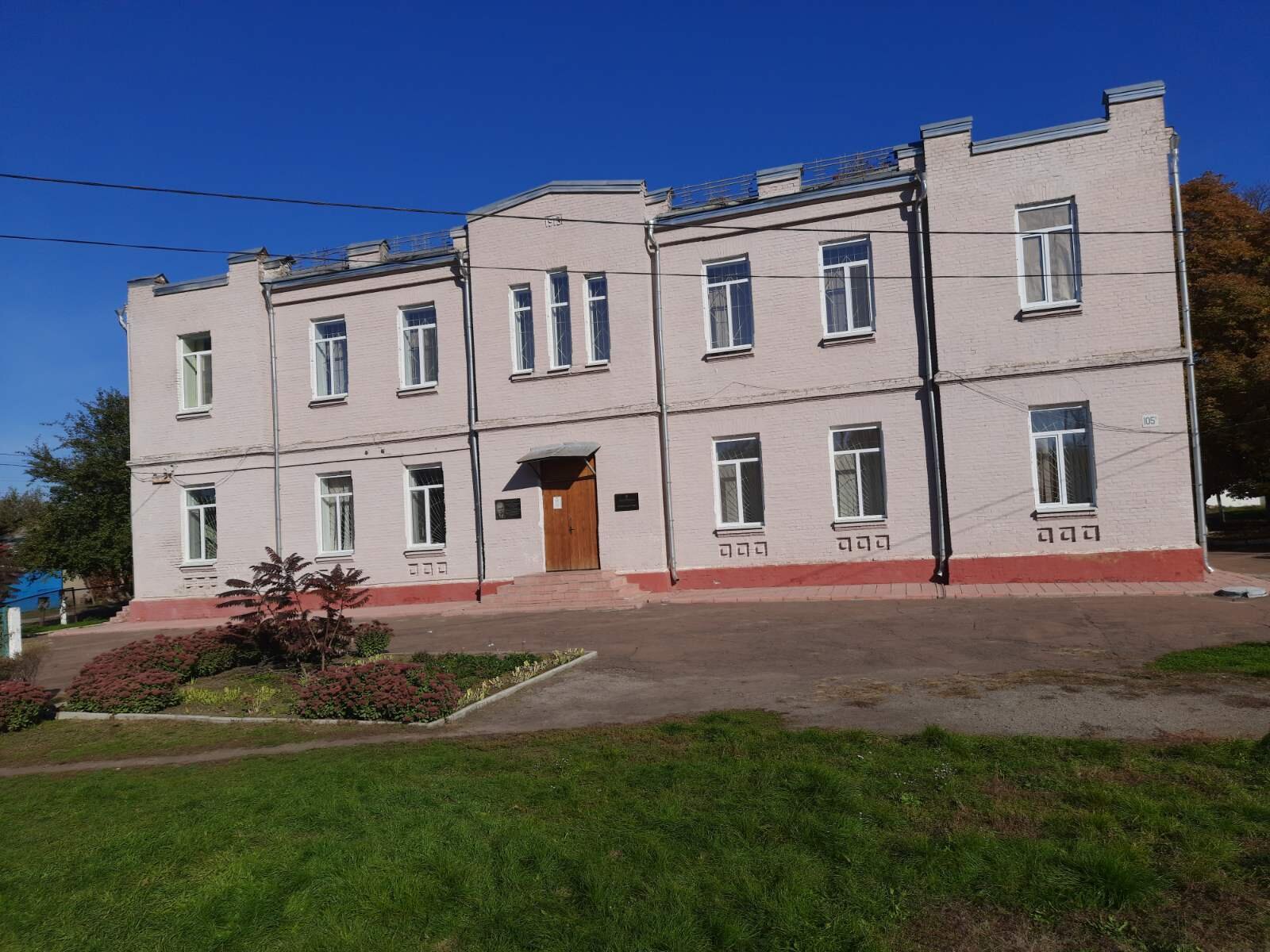
The Museum of Ethnography is located in the former premises of a zemstvo school built in 1913.
Officially, the museum opened its doors to visitors in 1996 as the Museum of Education. In 2006, in accordance with an order of the Department of Culture and Tourism of the Kyiv Regional State Administration, the Museum of Education was reprofiled as the Museum of Ethnography.
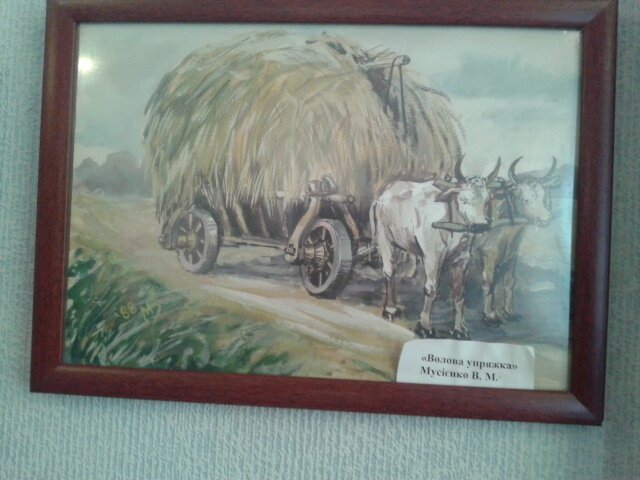
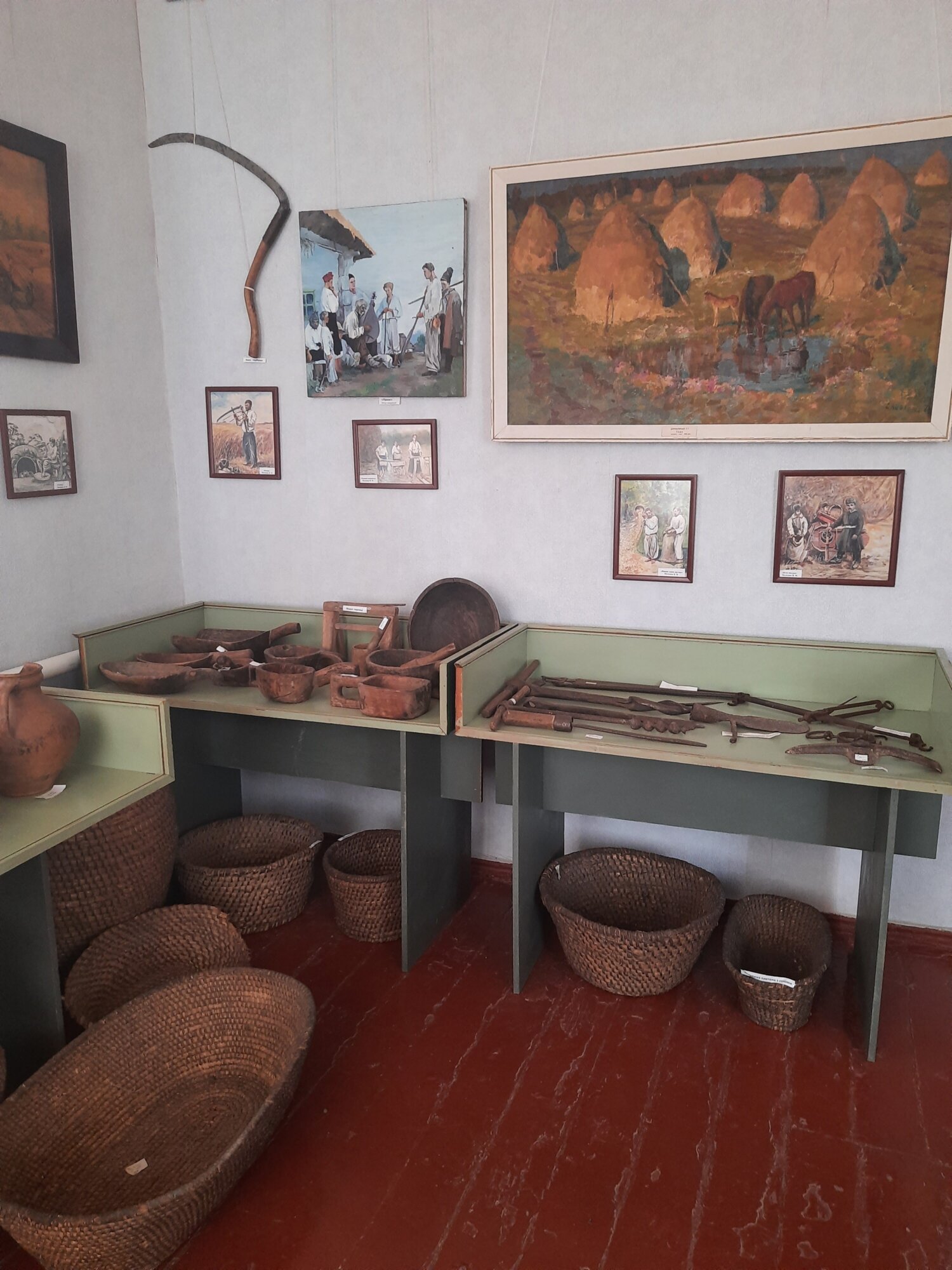
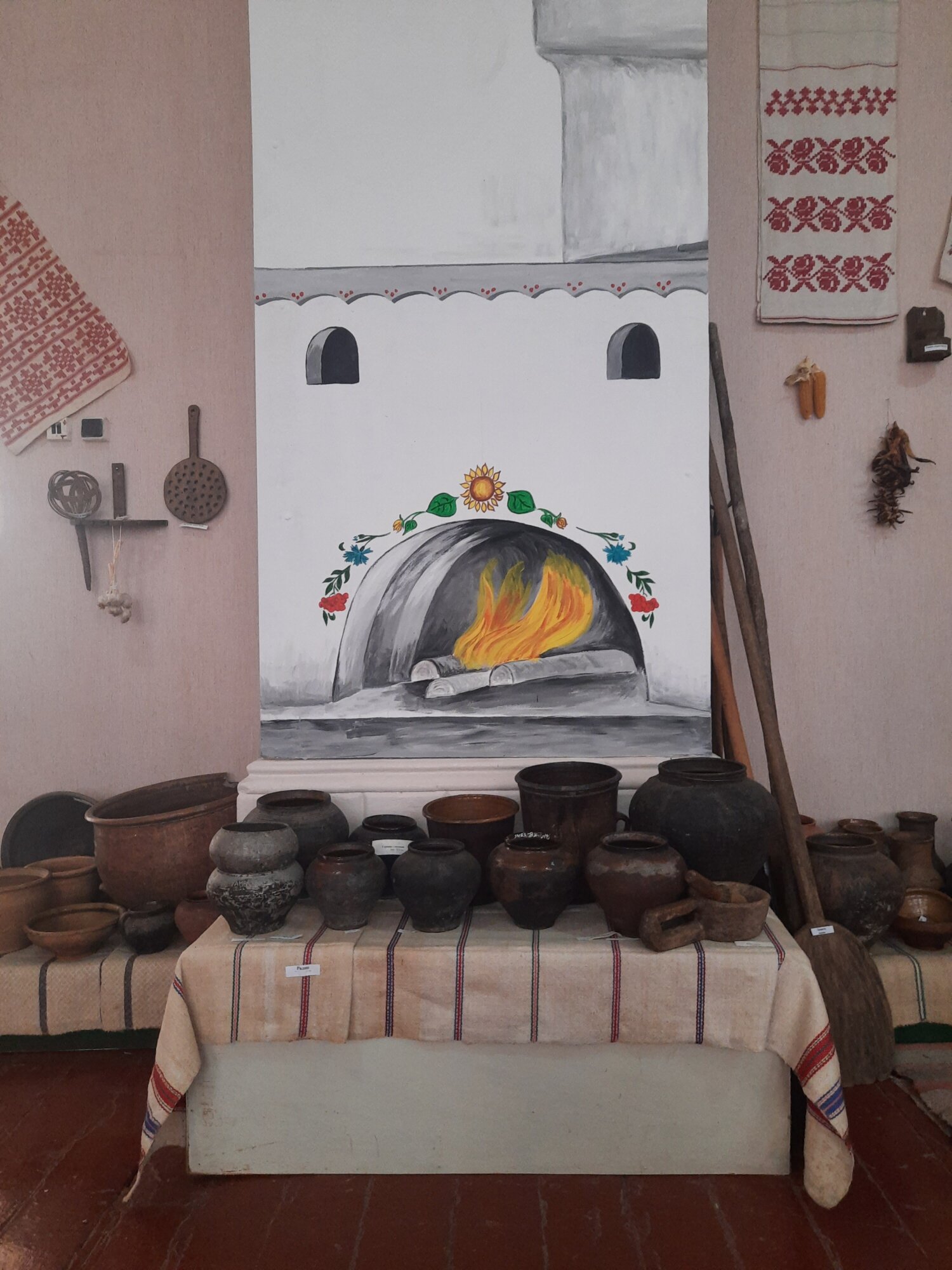
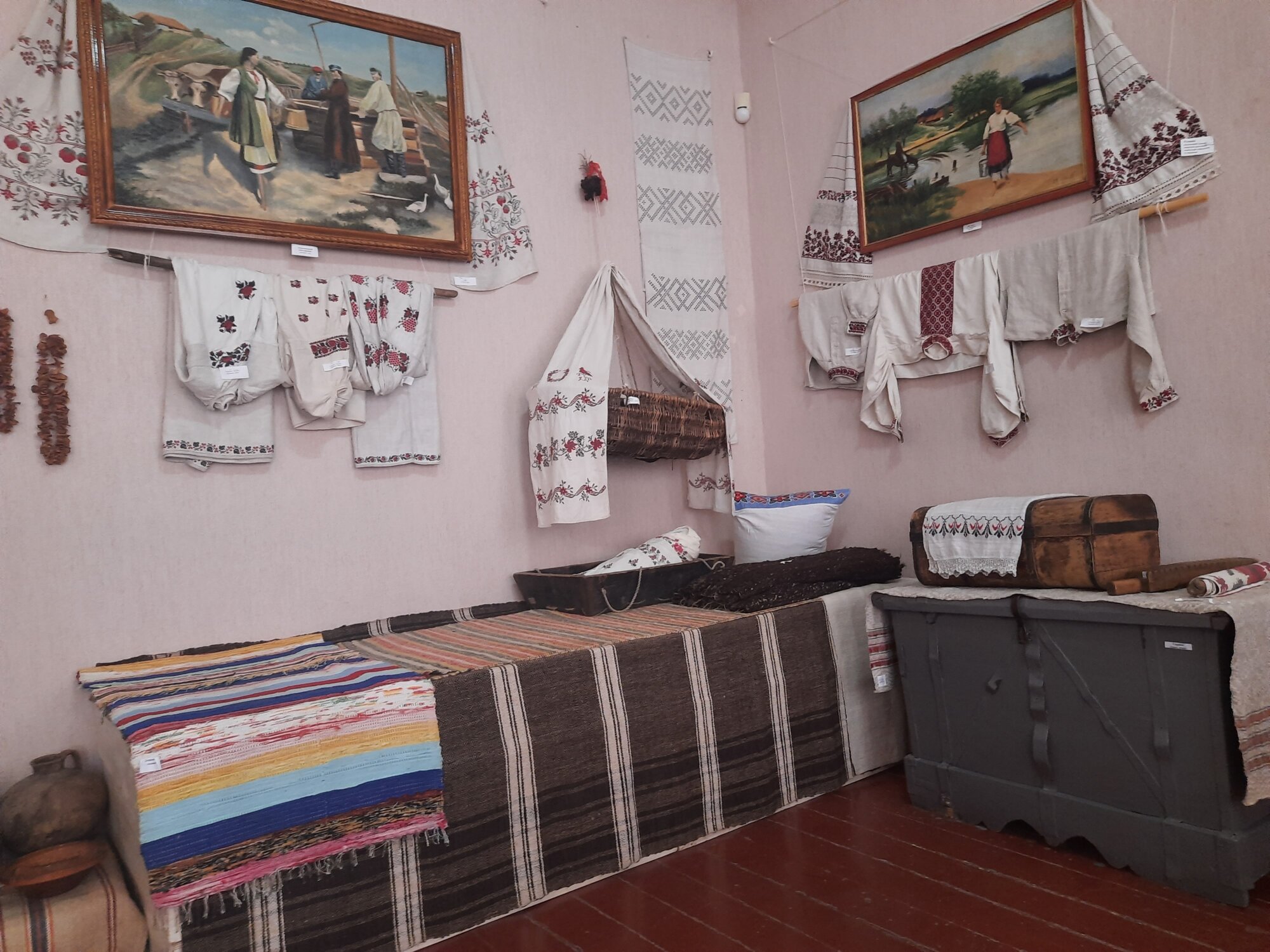
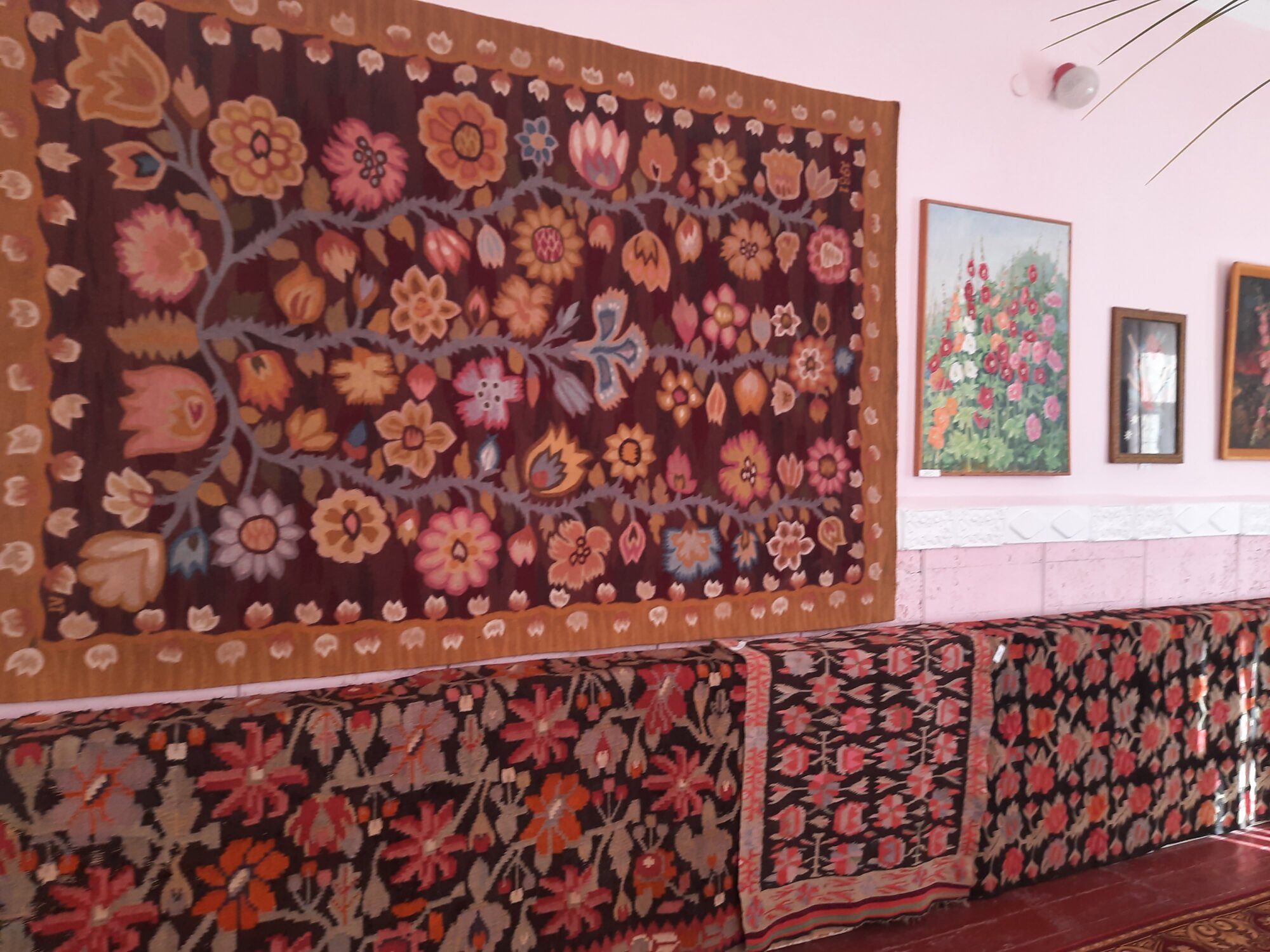
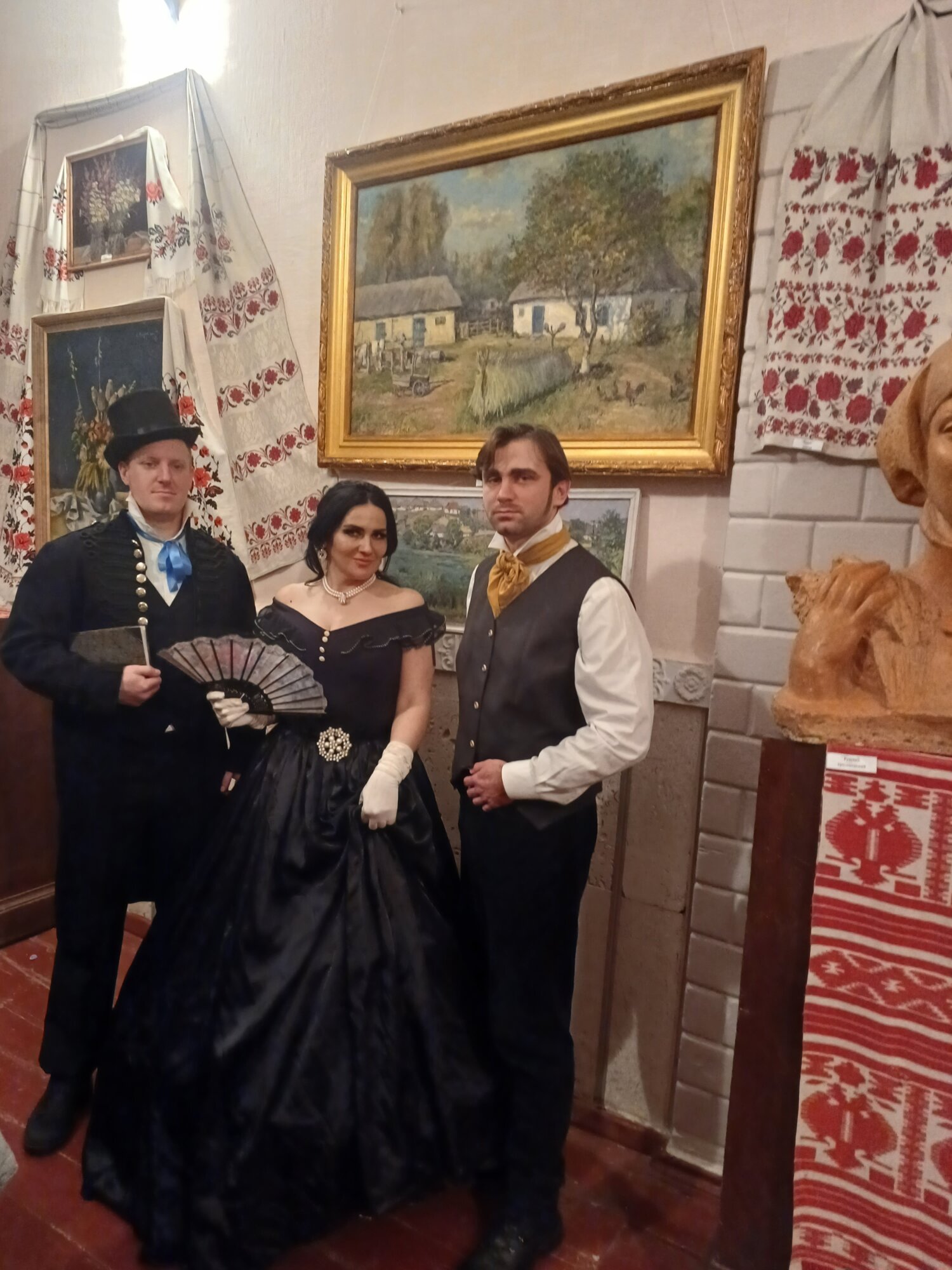
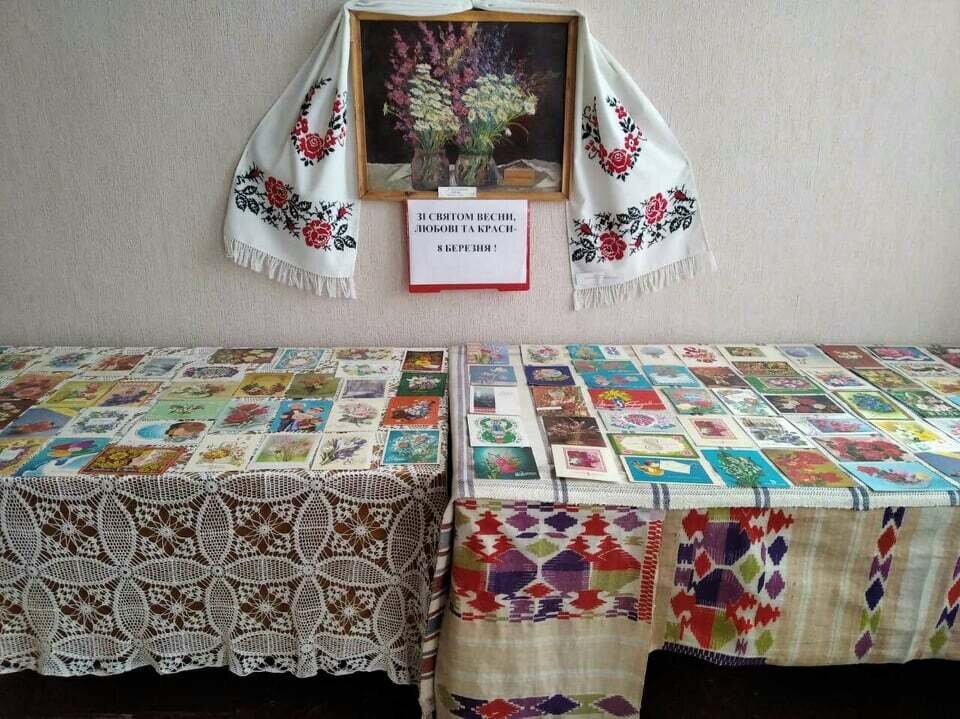
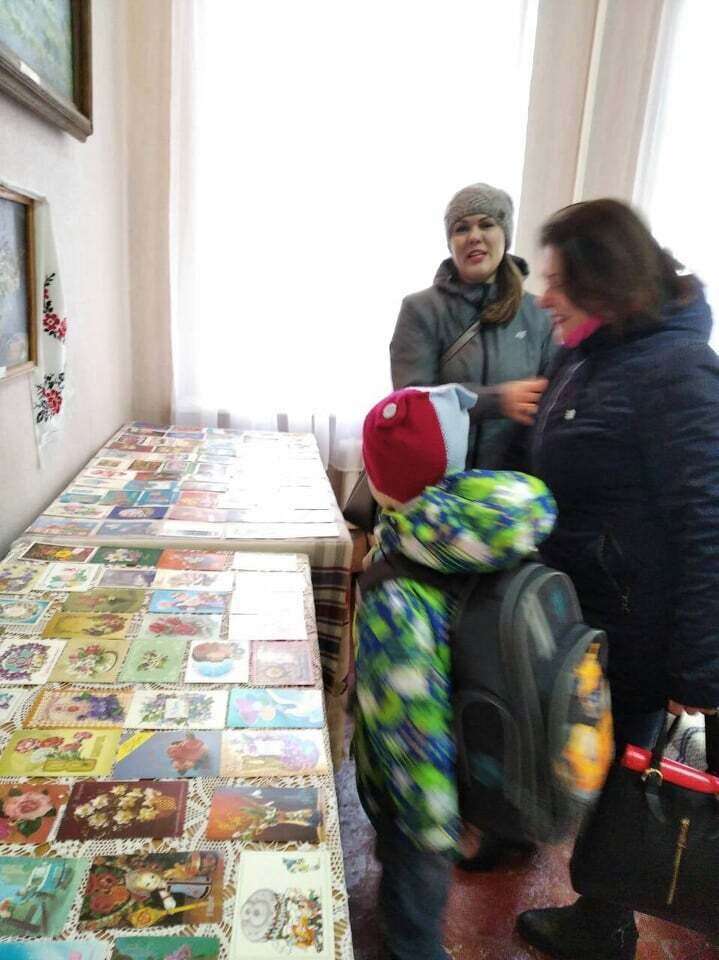
The exhibition of the Museum of Ethnography is housed in 5 large halls and 2 corridors, where collections of men’s and women’s clothing, footwear, embroidered shirts and household items are displayed. The collection mostly presents embroidered towels by craftswomen of Yahotyn and the Yahotyn area, woven Krolevets towels, factory-made and modern ones, among them amateur work. Also on display are household items, kitchen utensils, modern works of decorative and applied art, and paintings by local artists. Woollen homemade carpets made in the Kyiv region in the 19th century are also presented.
The highlight of the exhibition is the furnishing of a house from the late 19th – early 20th century: a stove, bench, sleeping platform, poles, chest, table and stools.
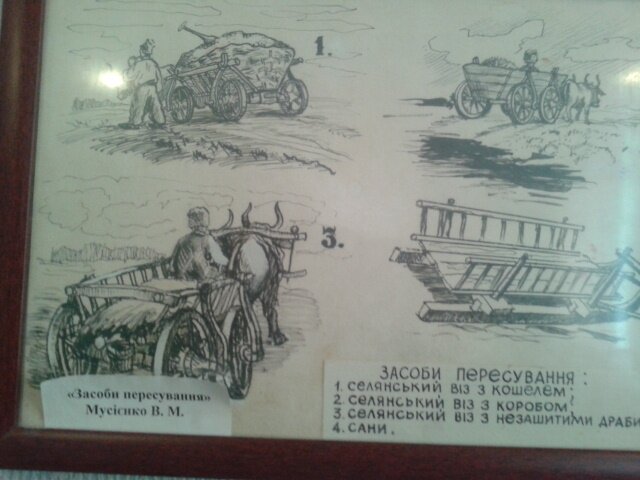
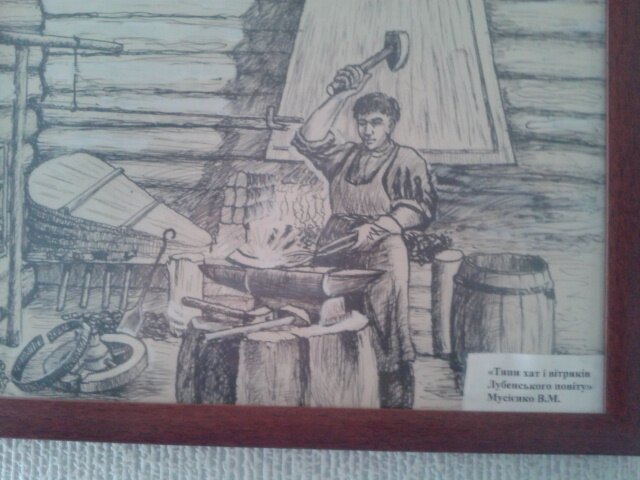
Visitors can get acquainted with the everyday life and crafts of the local population. Among the exhibits are tools used in farming, cooperage and cattle breeding.
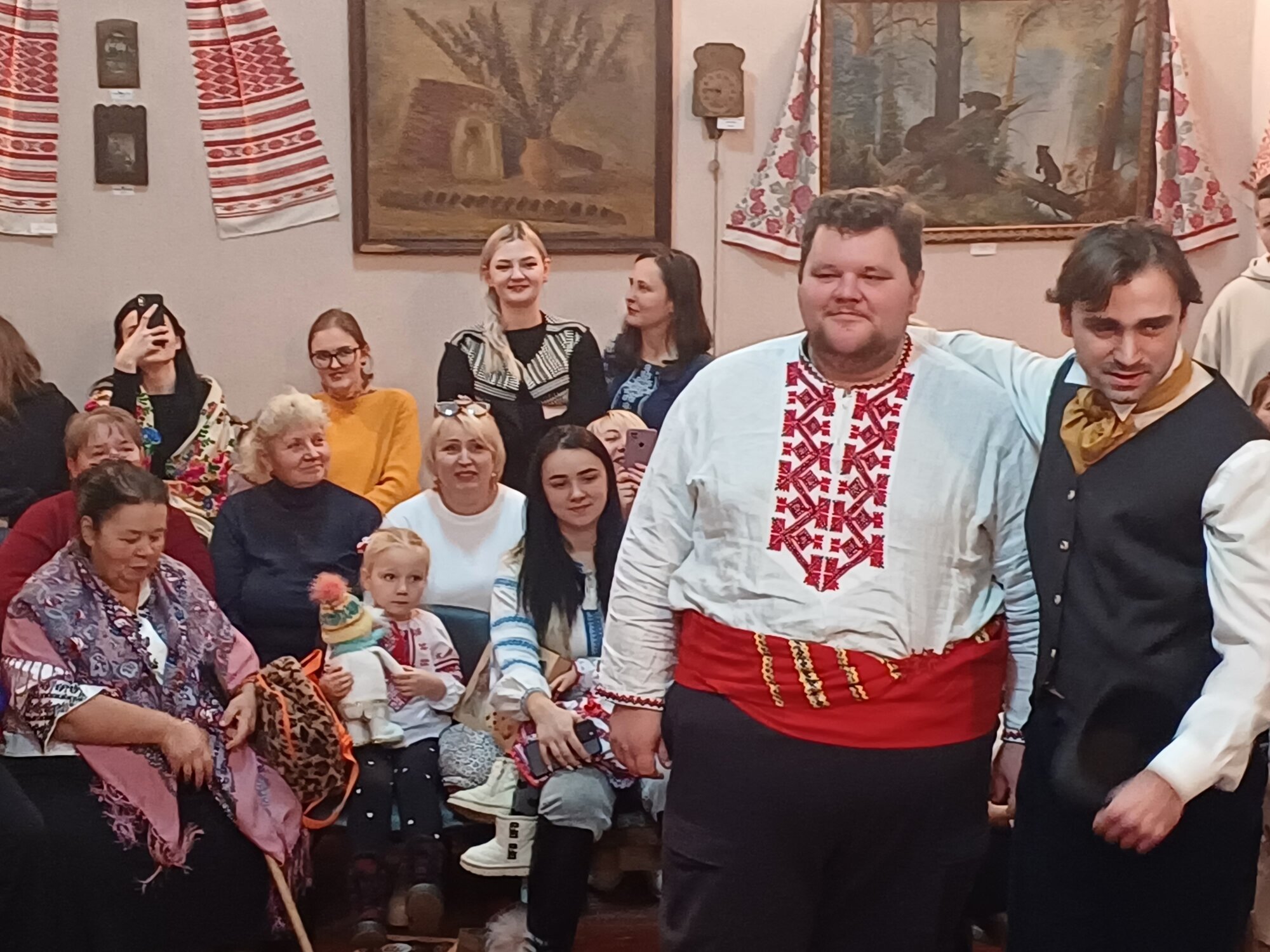
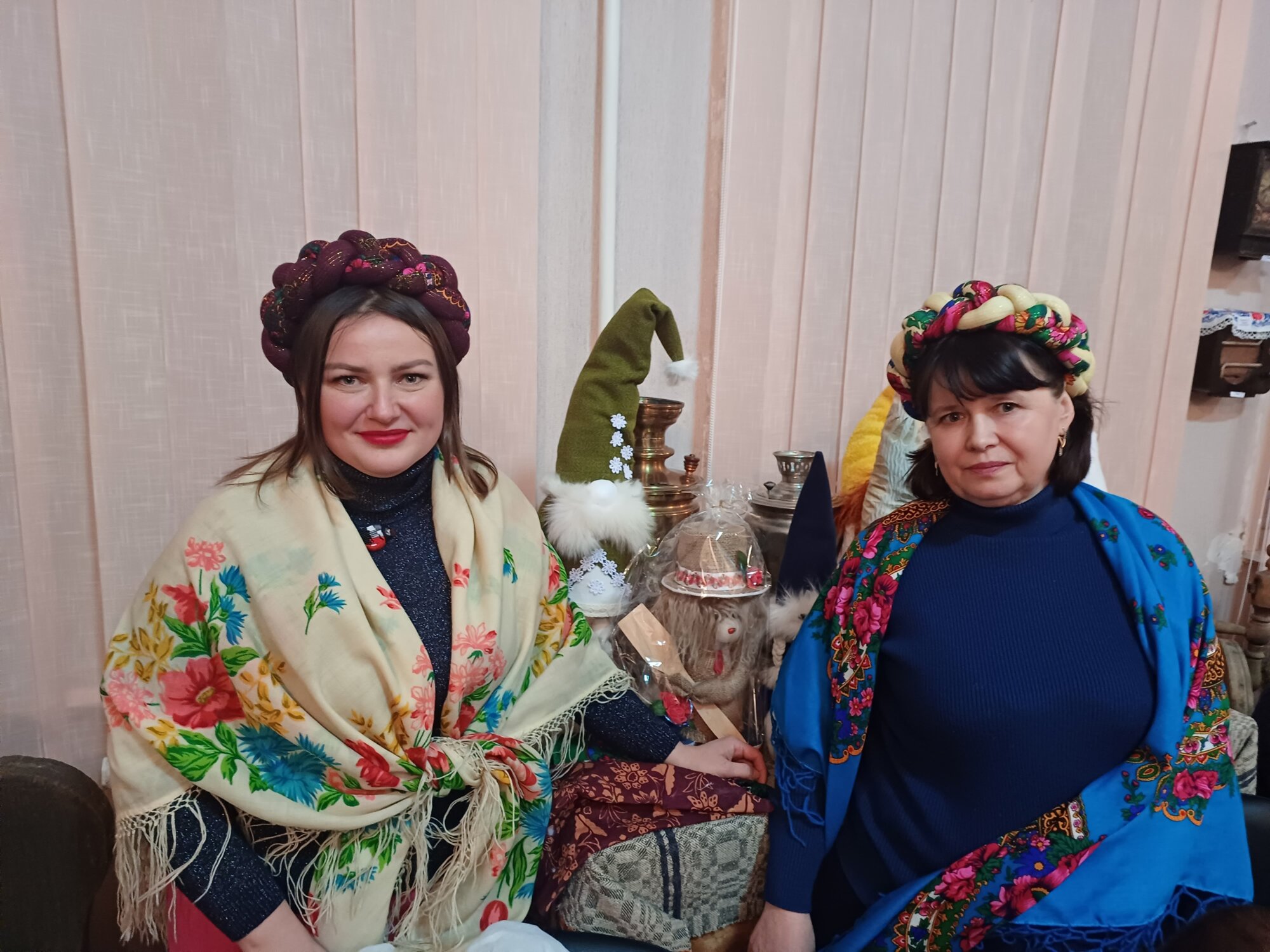
The Museum of Ethnography’s exhibitions, tours and mass events broaden visitors’ knowledge about the past of our ancestors, their way of life, customs and rituals, and foster a feeling of love for one’s native land.
The Museum of Ethnography is a true corner for preserving the national culture and historical experience of many generations.