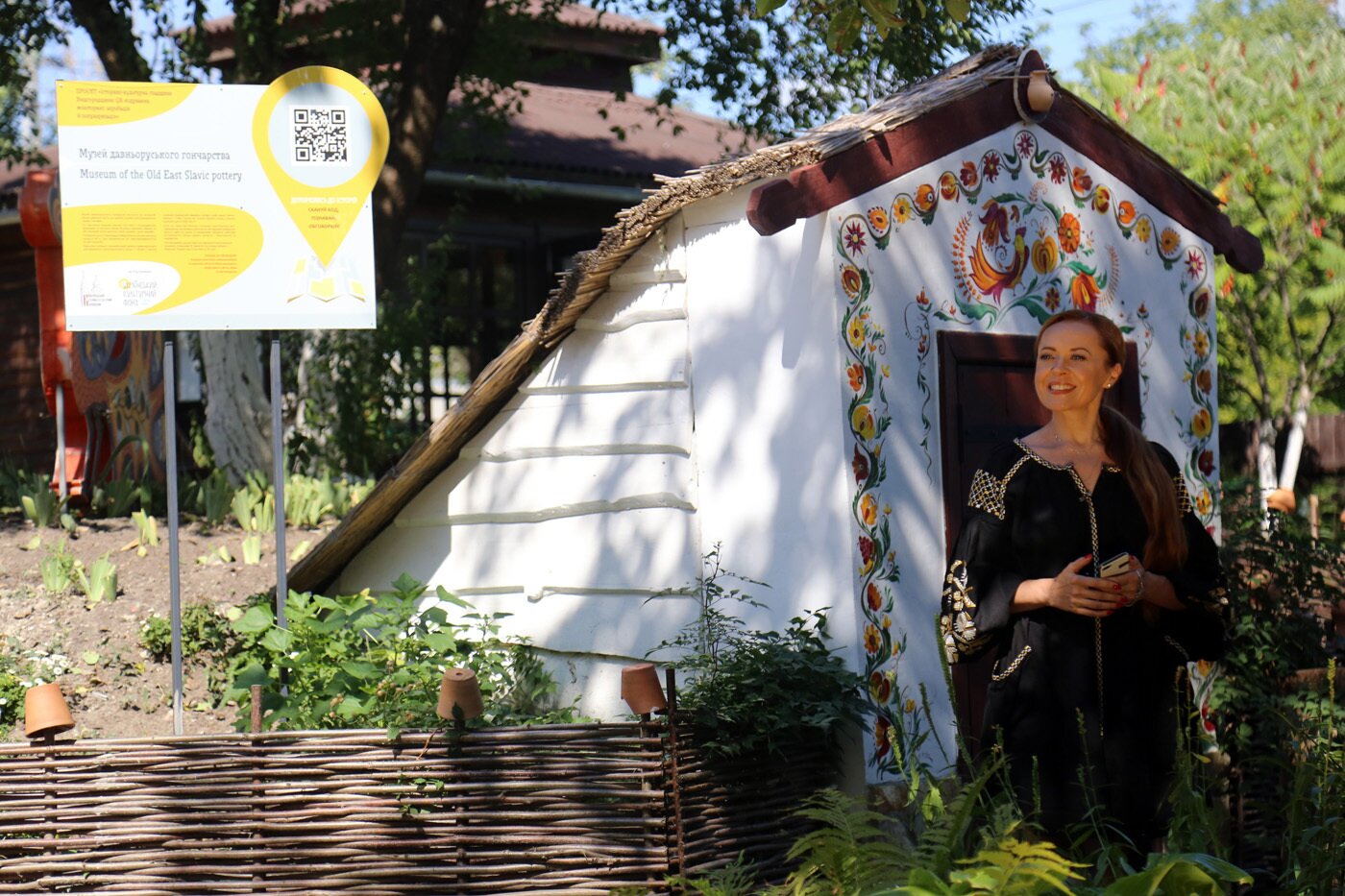
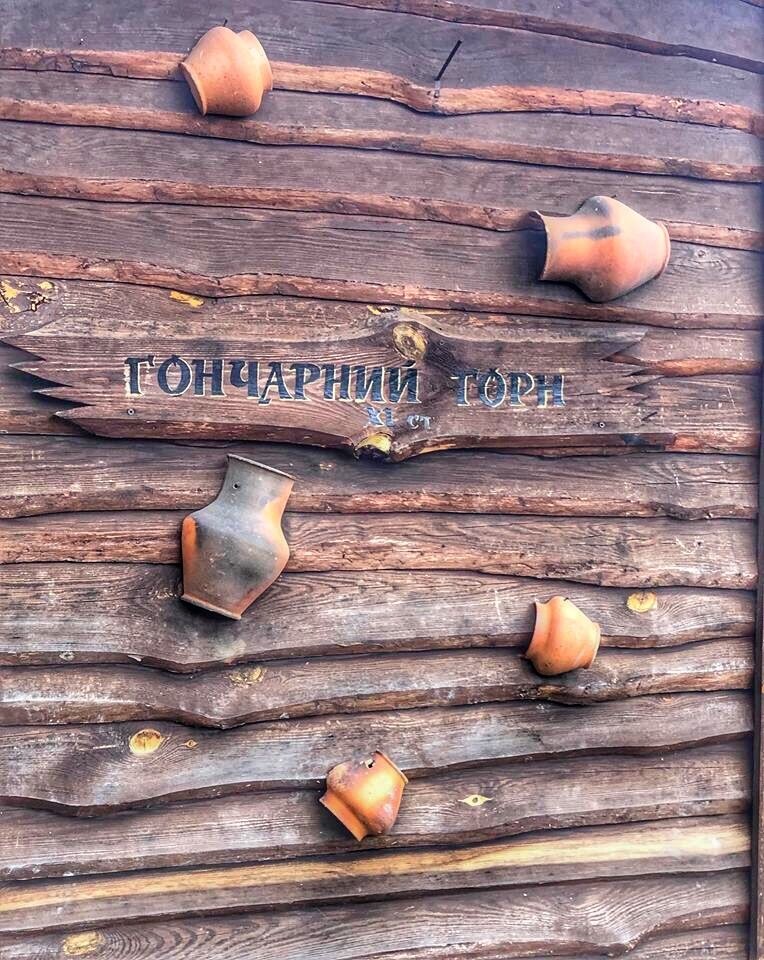
The Museum of Ancient Rus Pottery of the Vyshhorod Historical and Cultural Reserve, opened in 2006.
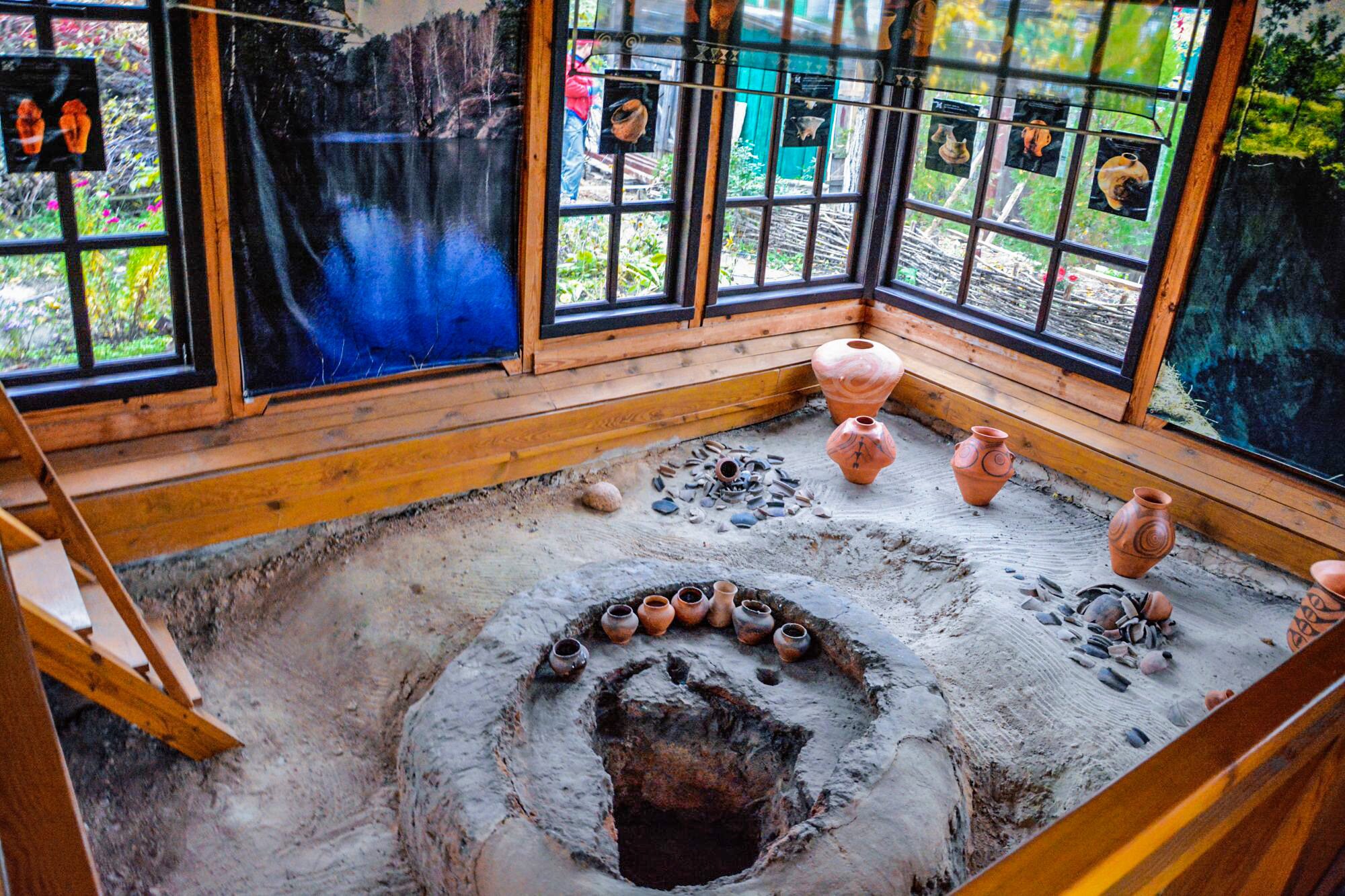
In 2003, during research on the grounds of the estate at 11 Mezhyhirskoho Spasa St, archaeologists discovered the remains of a two-chamber pottery kiln of the 11th century, typical of Vyshhorod. In 2014 the Vyshhorod Historical and Cultural Reserve was given the territory of the estate with a vacated house, with which the history of the museum began.
Its pearl is the unique pottery kiln of the 11th century, the only one preserved in Eastern Europe. In total there were 250–300 such kilns in Vyshhorod. The pottery centre in Vyshhorod occupied most of the city’s lower town in the 10th–12th centuries. Such production in the territory of Old Rus has no analogues. The first evidence of large-scale ceramic production in Vyshhorod was obtained by researchers in 1934–1937, when an expedition of the Institute of the History of Material Culture led by F. Movchanivskyi discovered two kilns on the southern slope of the hillfort and traced stains from 15 more on the slope of a ravine. In 1990 seven kilns were investigated at the site of the construction of a house on Mezhyhirskoho Spasa Street, three more in 1992, and in 1995 one kiln that was well preserved. The collection of ceramics gathered on this territory consists of tens of thousands of fragments and whole items: pots, jugs, lamps, large storage jars – “pithoi”, floor tiles made for the Church of Sts Boris and Hlib…
Not far away, archaeologists found an Old Rus street along which, beside a stream, potters’ homesteads were located. The remains of dwellings and outbuildings, remains of kilns, fences and the roadway of the street, where holes and potholes were filled with fragments of defective pottery, were found. Both workshops and dwellings were small – 3.6×3.6; 4.6×2.7; 5.4×4.1 m, sunk into the ground to a depth of 0.5 to 1.6 m. The structures of the discovered 10th-century buildings are mostly of log construction, those of the 11th–12th centuries mostly of frame construction. In some rooms fragments of posts and floorboards have survived. Perhaps there were also above-ground structures, but they are hard to detect during excavations.
However, the exposition of the Museum of Ancient Rus Pottery is not limited to the history of Vyshhorod ceramic production alone.
The museum presents examples of Trypillian ceramics and of the Early Iron Age found in the city and district. There is a large collection of building ceramics: plinth bricks from the ruins of the Church of Sts Boris and Hlib, glazed floor tiles of the church, a large collection of 18th–19th century bricks, including the so-called Mezhyhirka – small-sized refractory brick for building stoves, which was mass-produced in the villages of Novi Petrivtsi and Valky. Among the exhibits are also fragments of unique products of the Mezhyhirya faience factory and remains of faience production.
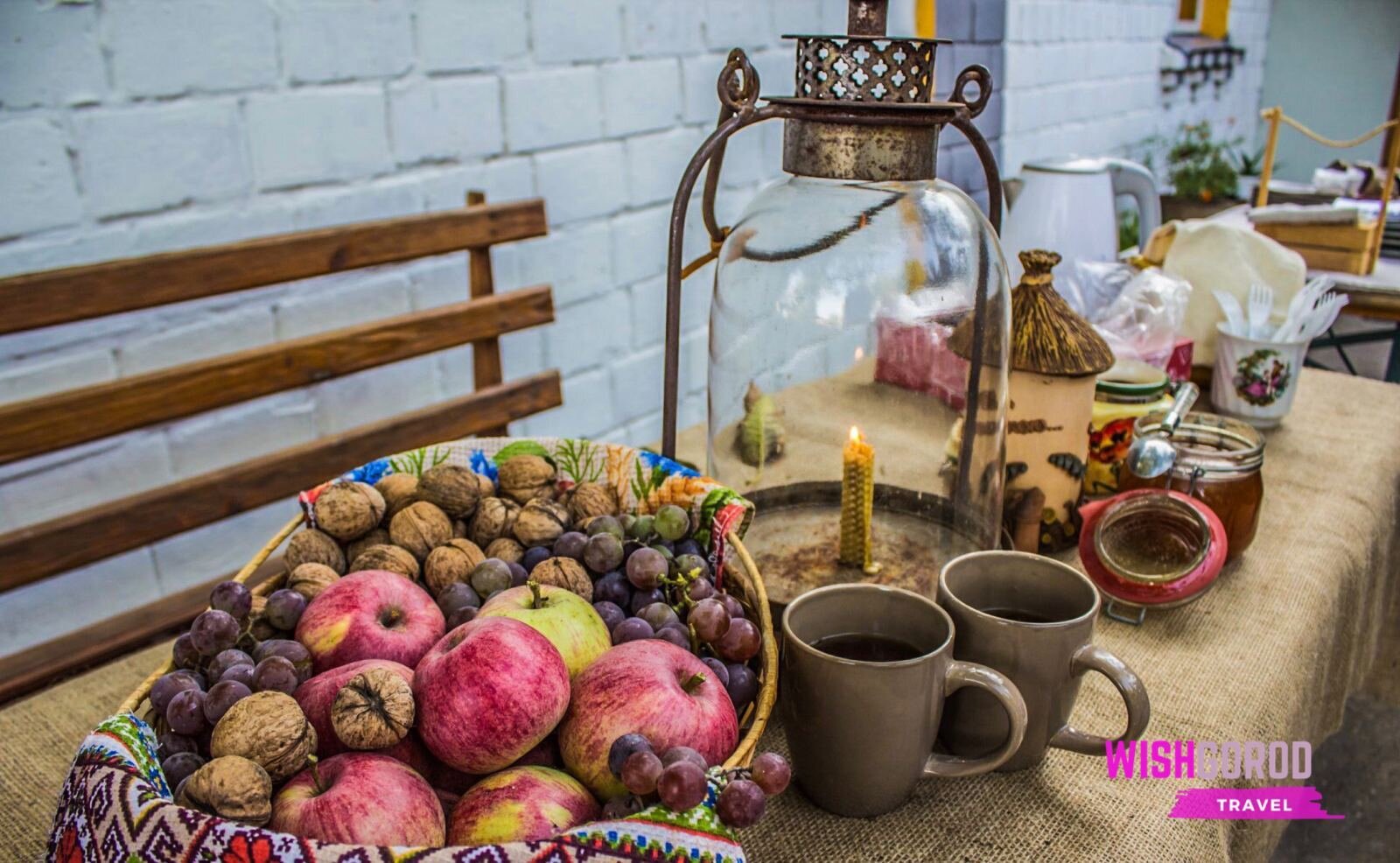
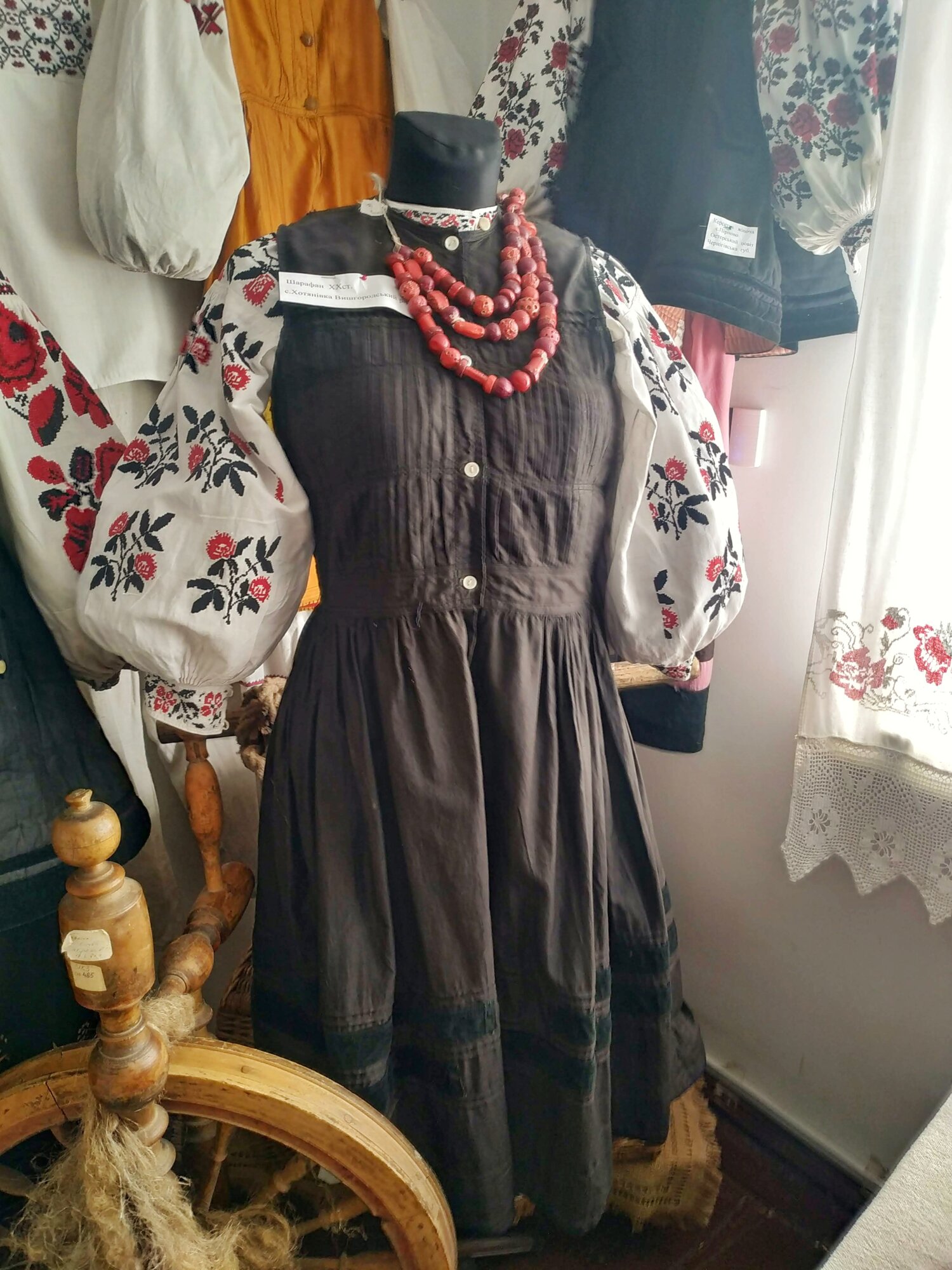
Household items and a collection of authentic clothing and embroidered towels of the Kyiv Polissia, gathered in the museum, leave no one indifferent.
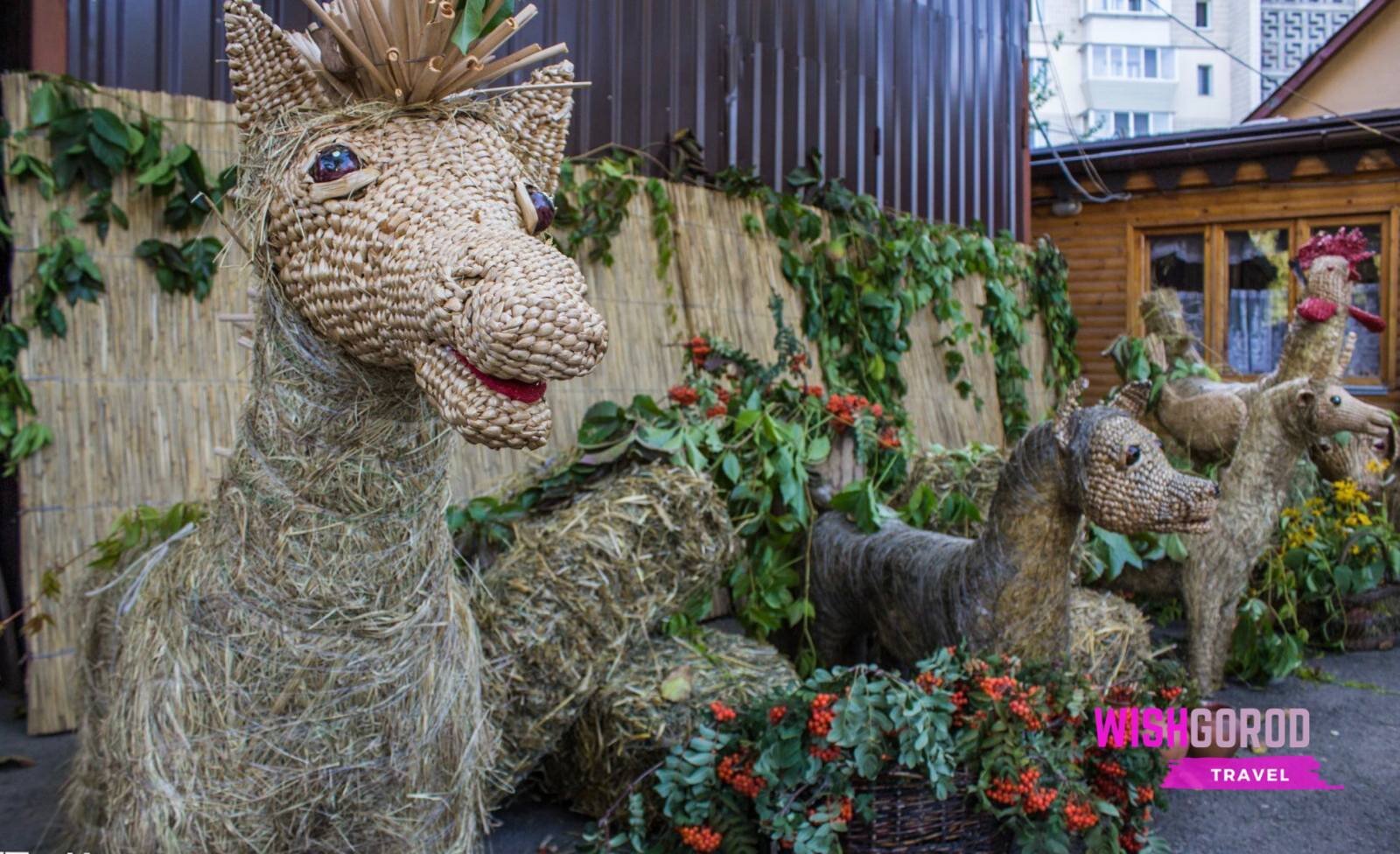
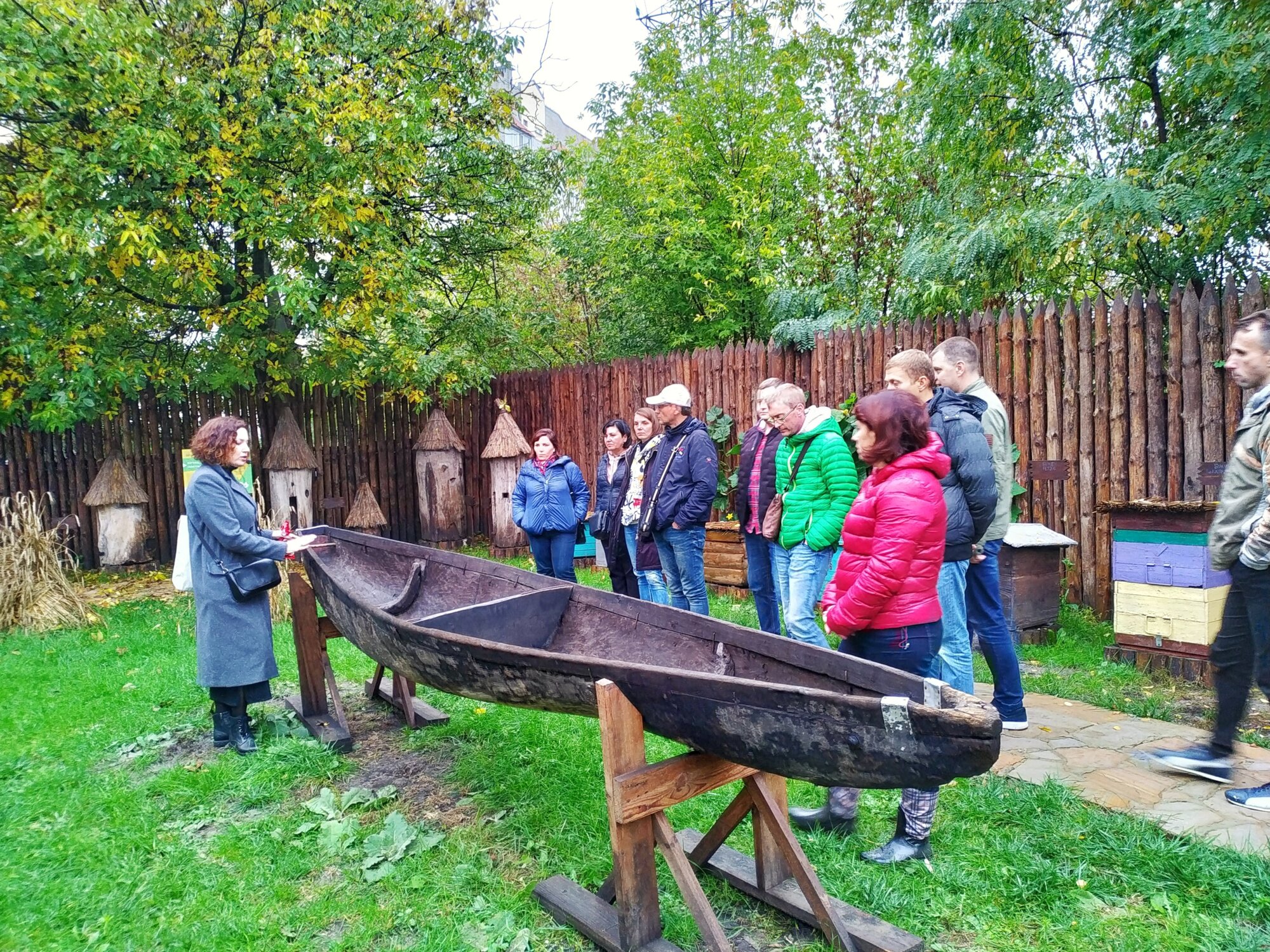
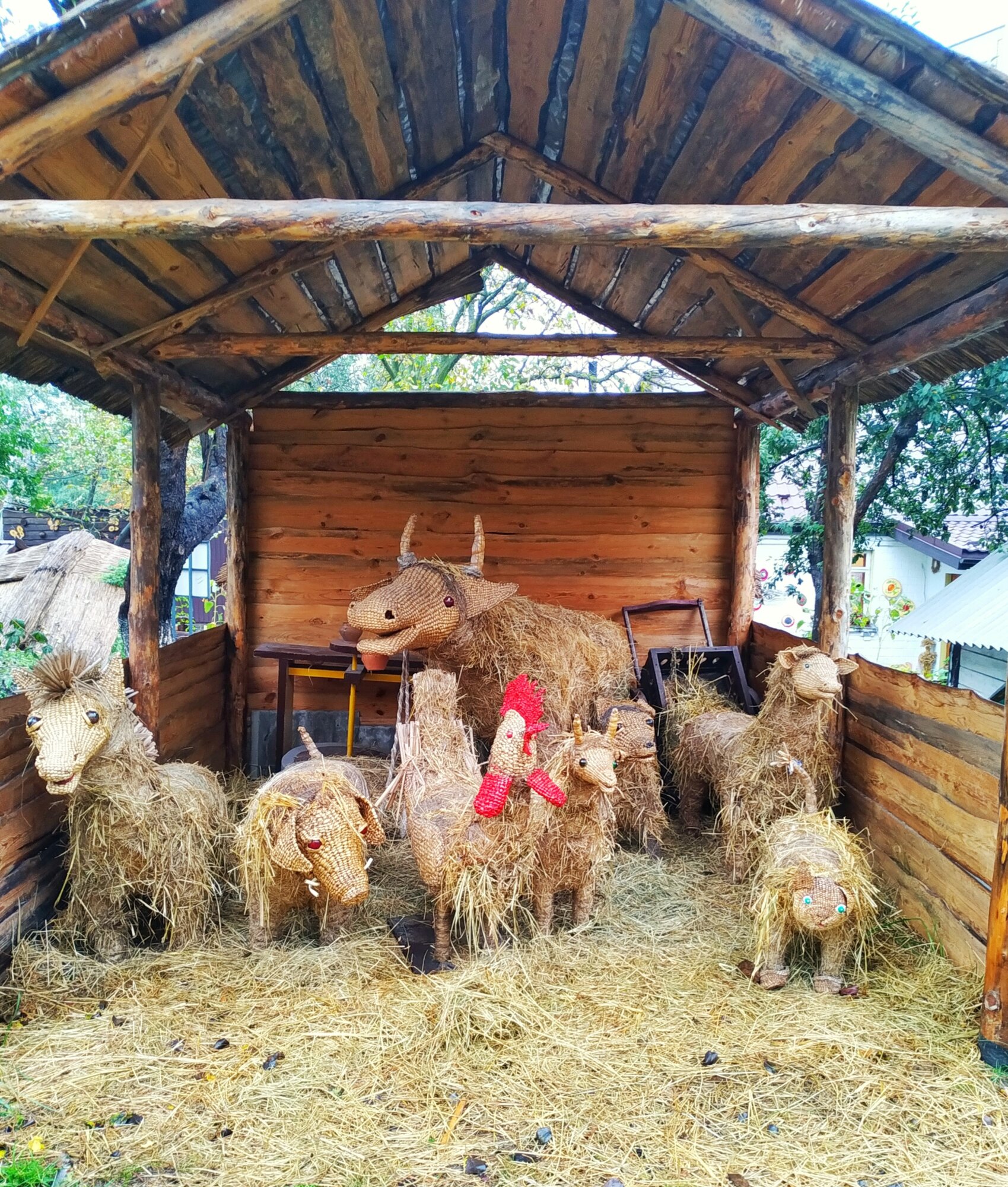
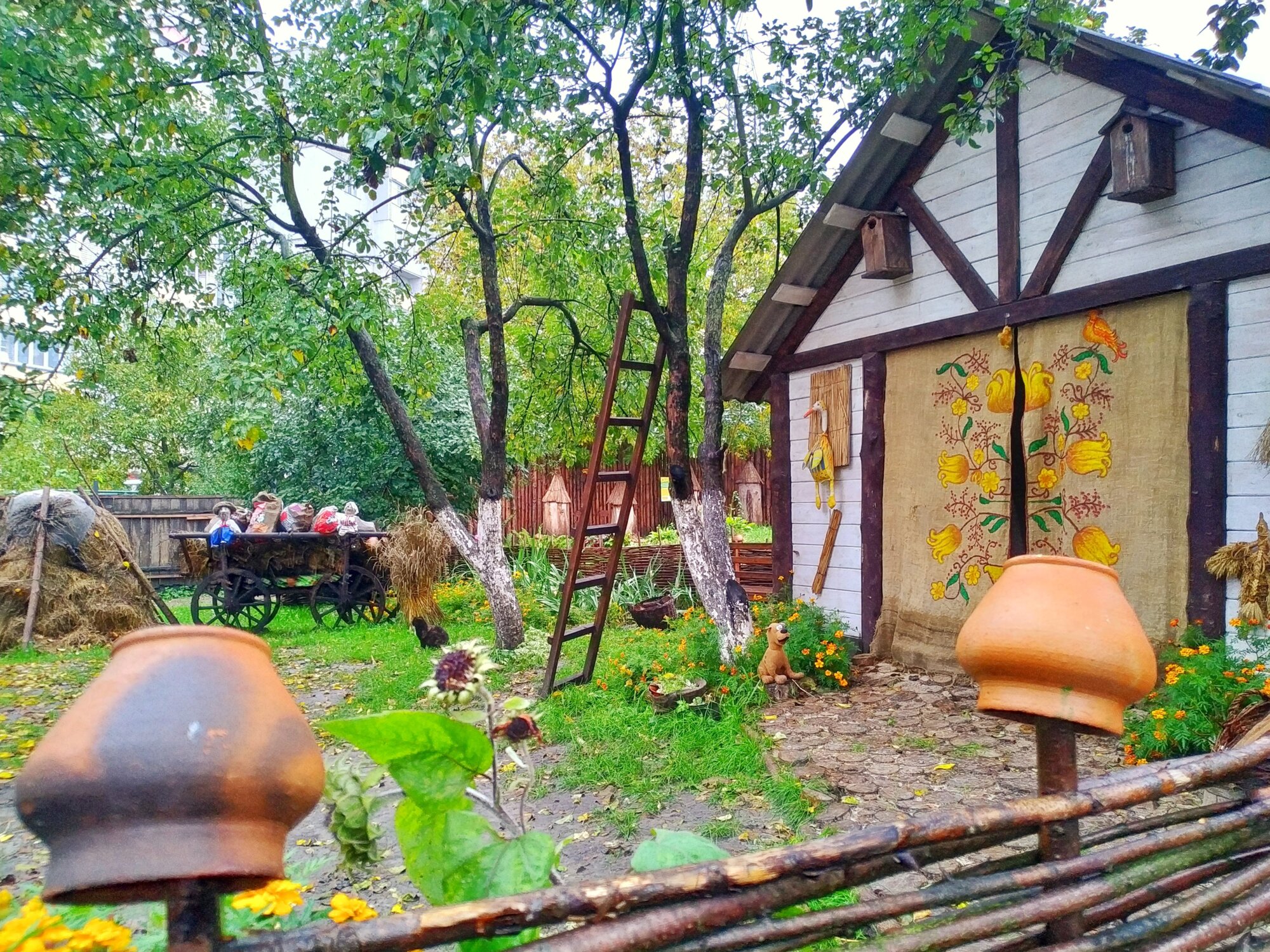
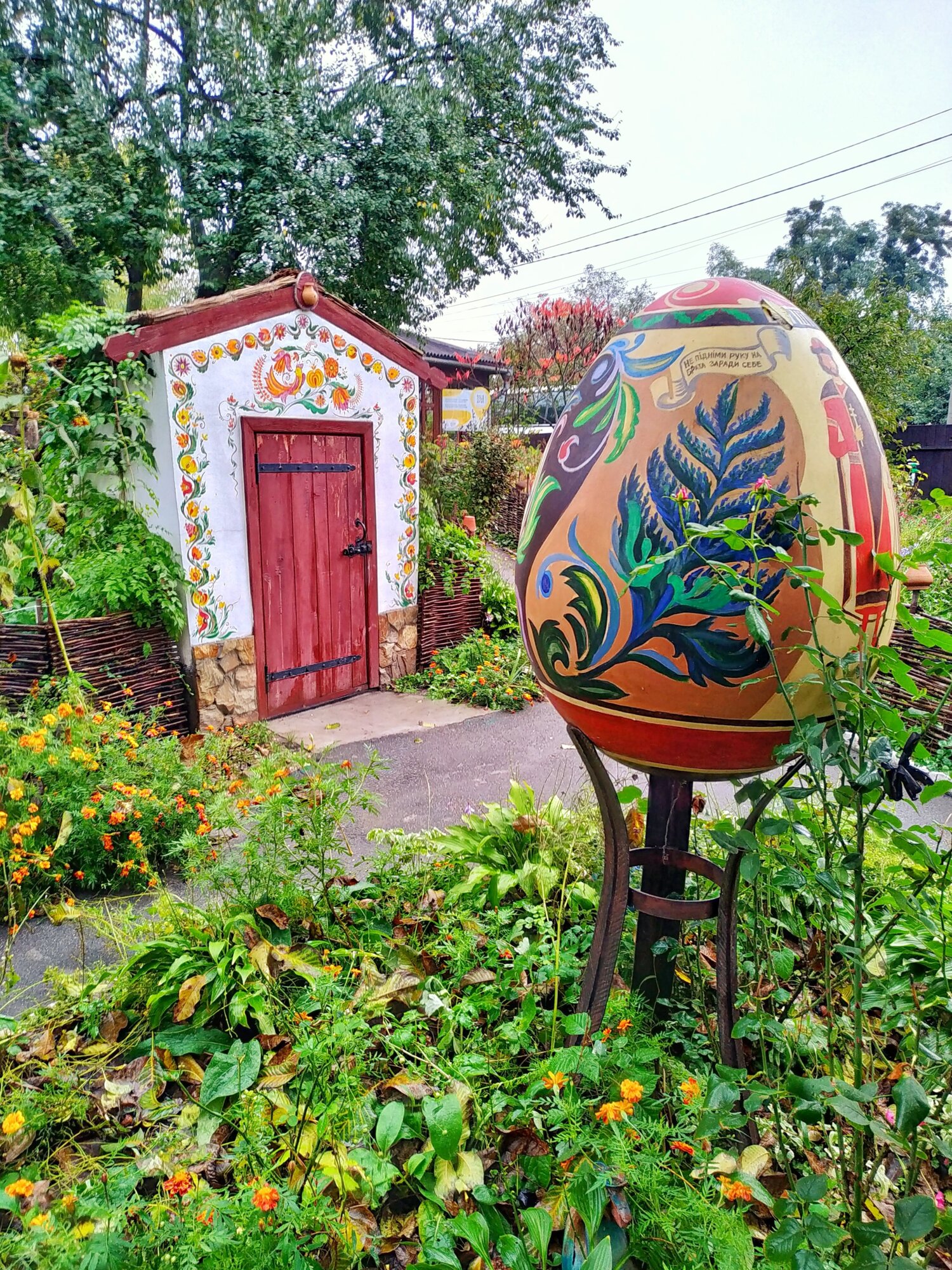
The museum courtyard is designed in the folk style of a peasant homestead. Exposition 40 presents the traditions and way of life of the population of the Kyiv Polissia. At the open-air exhibition area, unique works of folk craftsmen and examples of ancient crafts – tree beekeeping and boat-building – are on display.
The collection of bee trees (the prototypes of modern hives), logs and hives themselves now numbers 14 exhibits and is constantly replenished. Among them is an exhibit that is more than a century old.
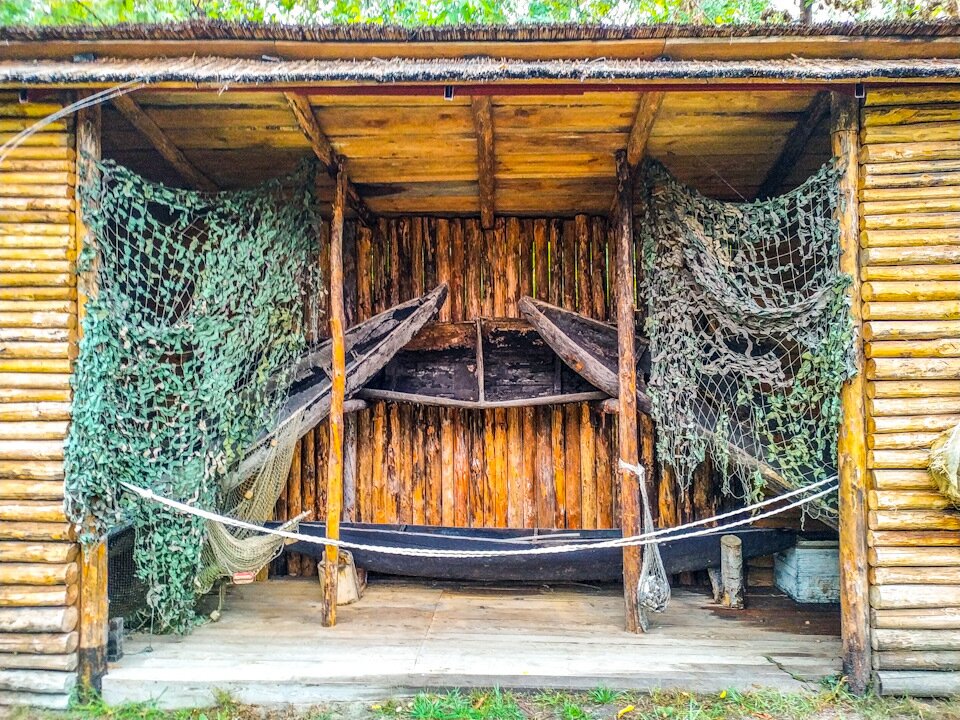
Bright examples of woodworking traditions are dugout boats and flat-bottomed boats (7 units), a traditional peasant cart, old chests, spinning wheels and so on. The jewel of this collection is the reconstruction of an Old Rus boat (author-researcher Oleksii Petrauskas), made using traditional technology and with tools similar to those used in the days of Old Rus. The boat was made in the town of Olevsk (Zhytomyr Oblast), and it travelled almost 700 km under its own power along rivers and channels on its way to Vyshhorod.
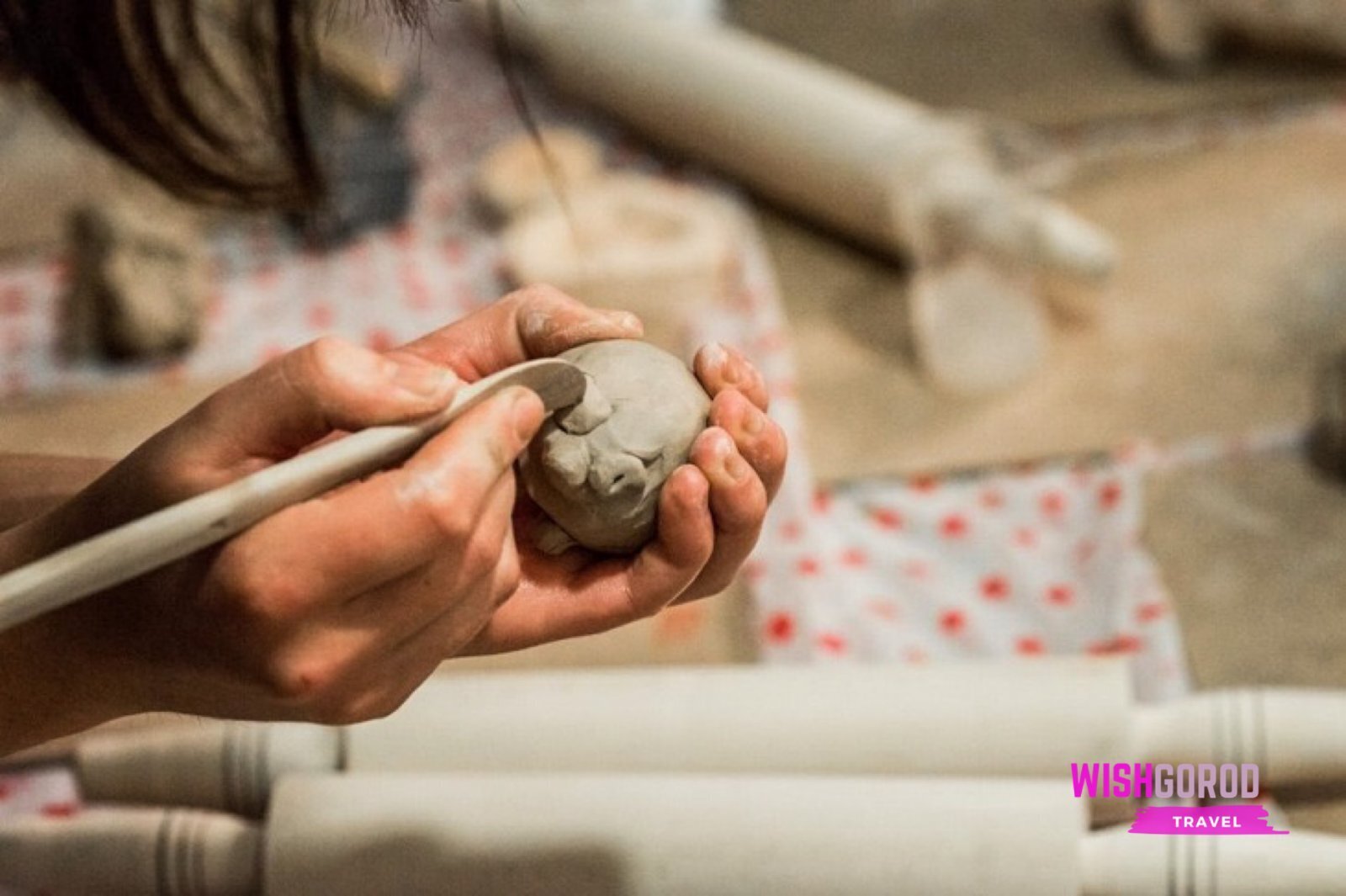
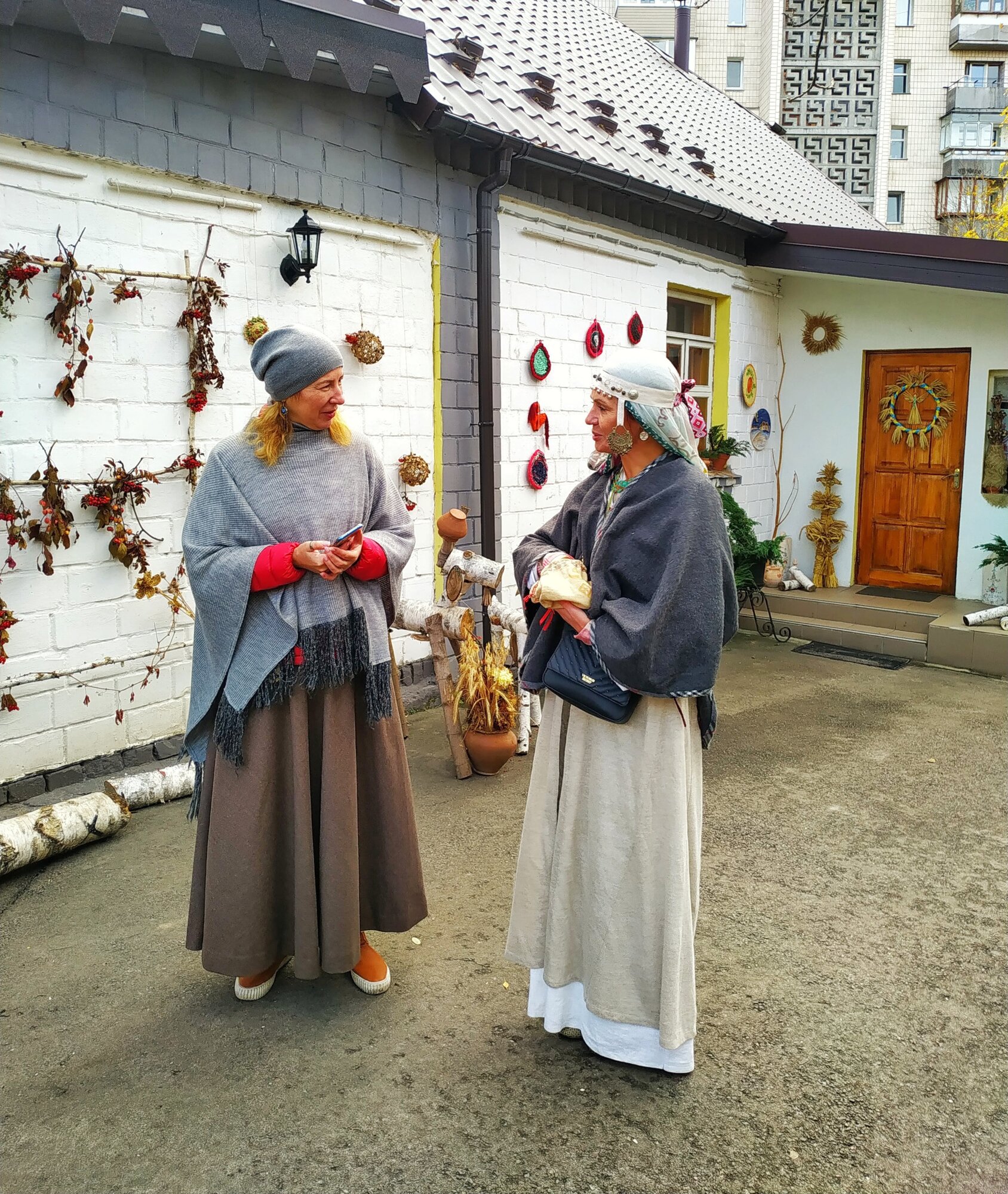
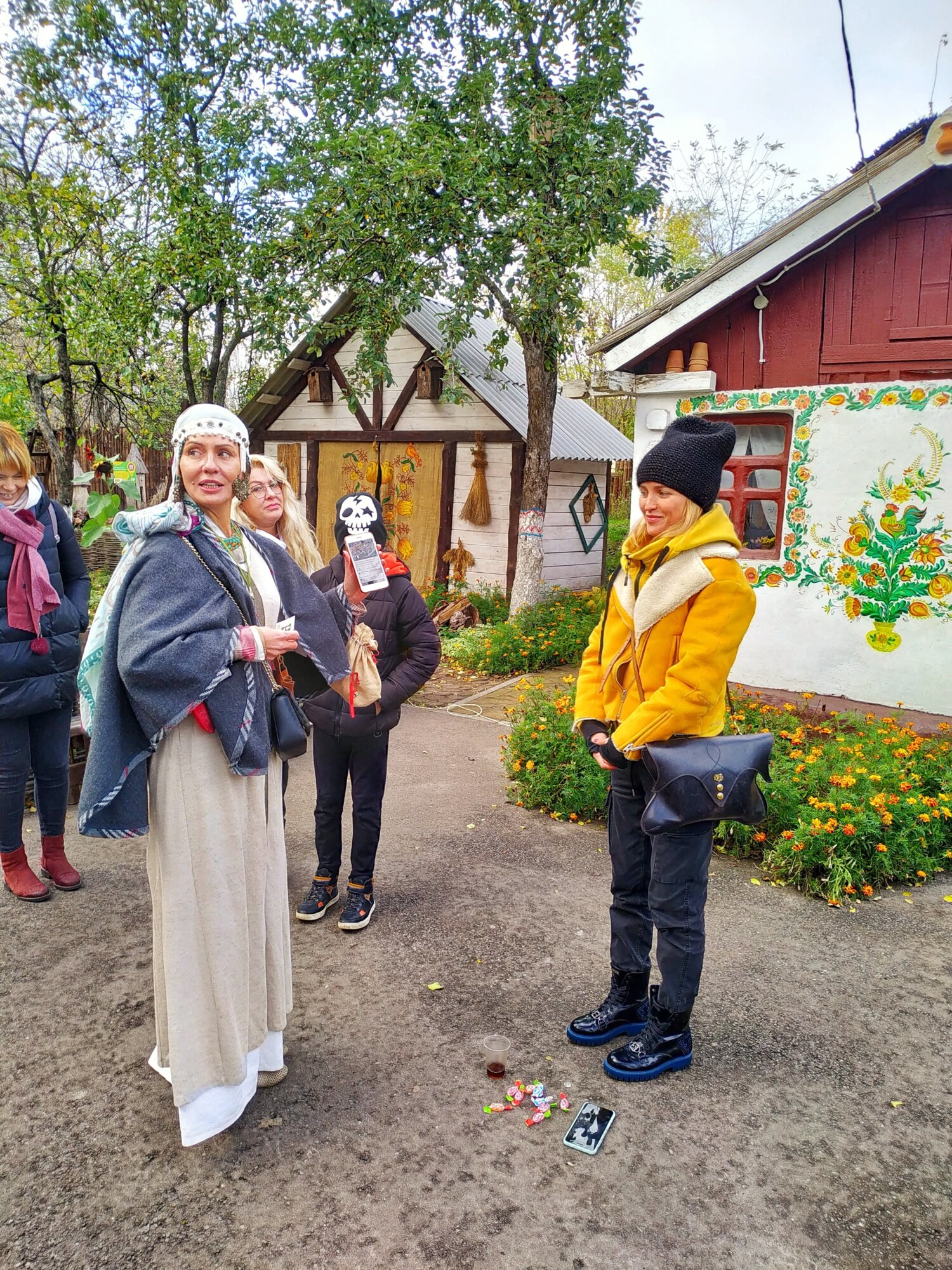
The museum long ago moved out of the category of static institutions, becoming a unique interactive venue. Here you can not only learn a lot that is new about the history of Vyshhorod pottery and the traditions, customs and crafts of the Kyiv Polissia while viewing the exhibitions and on excursions, but also touch the ancient crafts yourself during master classes in wheel pottery, clay modelling, making items from wax, and other creative activities. And the cosy, atmospheric Open Air art space makes it possible to hold various folklore and ethnographic festivals here and to introduce visitors to the traditions, customs and rituals of the Kyiv Polissia.